

Architectural Boom in Data Centers Sustainable Design and Engineering Innovation

Introduction
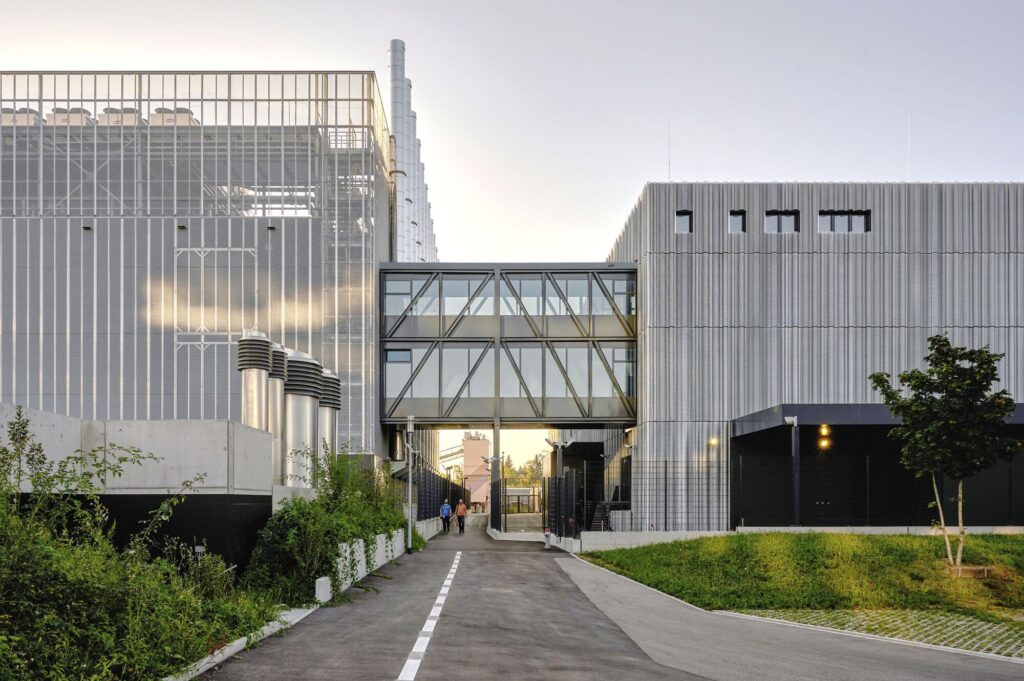
Data centers around the world are undergoing an unprecedented architectural transformation, driven by the rapid growth of artificial intelligence and cloud computing. Global data center construction focuses on innovation in engineering design, effective infrastructure solutions, and sustainability, while harmonizing with the surrounding environment. These projects are characterized by their massive scale, functional complexity, and integration of electrical and technical systems, making them a critical component of the modern digital urban landscape.

Location and Urban Planning
Large scale data centers are strategically distributed across regions with adequate infrastructure for energy supply, cooling systems, and space for massive constructions. The architectural selection of sites carefully balances technical functions, sustainability requirements, and the visual and environmental impact on the urban context. Most centers adopt a modern architectural style that combines structural robustness with functional aesthetics.

Desin Concept and Architectural Approach
Massive data centers follow a design philosophy emphasizing efficiency and flexibility, ensuring that the facility can adapt to future computing technology developments.
Key design characteristics include:
- Spatial organization that maximizes cooling and storage performance.
- Integrated engineering systems for energy and cooling to reduce waste and optimize efficiency.
- Environmental responsiveness, including natural light utilization and proper ventilation, without disrupting data center operations.
- Infrastructure designed to handle increased electrical loads and emerging technical equipment.
Architectural Challenges:
- Achieving a balance between functionality and aesthetic design.
- Managing massive flows of personnel and heavy equipment during construction phases.
- Maintaining project schedules and high-quality standards in large-scale and complex projects.
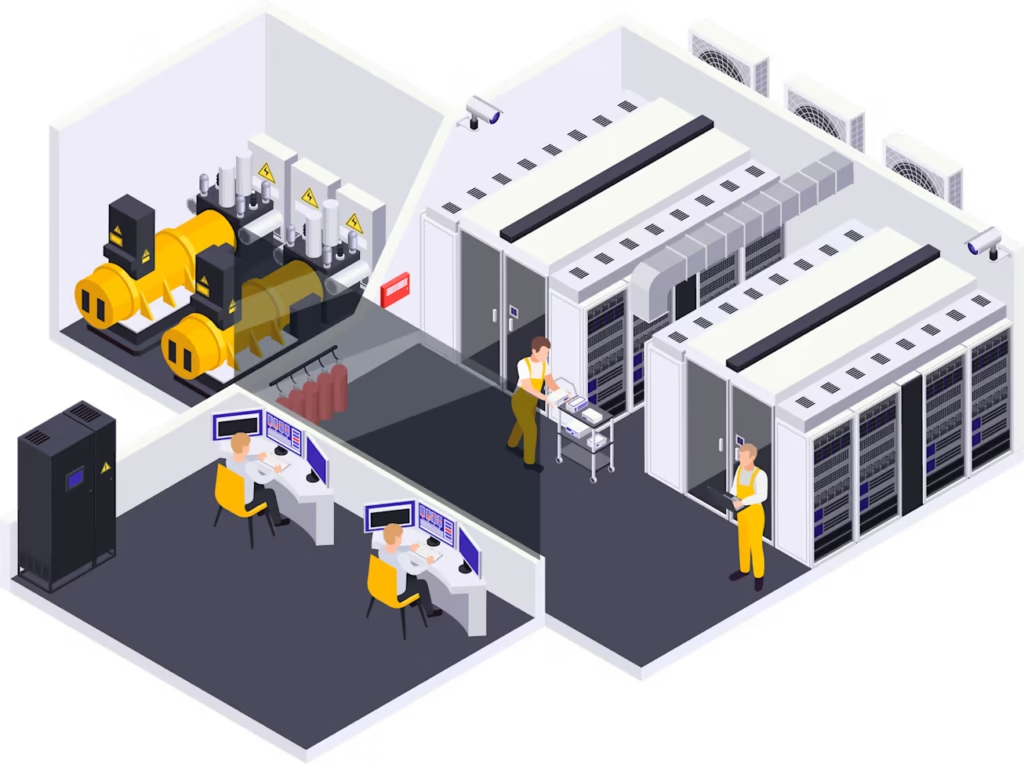
Materials, Technologies, and Sustainability
| Element | Quantity/Unit | Details |
|---|---|---|
| Solar Panels | 4,500 panels | Total capacity 1.2 MW per data center |
| Total Electricity Capacity | 81 GW | Target capacity for large-scale projects |
| Water Consumption | 19,000,000 liters/day | Equivalent to a medium-sized city |
| Reinforced Concrete | 500,000 m³ | For foundational structures |
| Steel | 120,000 tons | For columns and structural frames |
| Cooling Units | 3,000 industrial units | Advanced cooling systems for high temperatures |
| Renewable Energy Share | 60% | Mix of solar, wind, and gas |
| Major Projects Cost | $20 billion | Highest-cost data centers |
| Peak Workforce | 50,000 workers | For major project construction |
These materials and technologies demonstrate the adoption of innovative solutions for energy efficiency and sustainability, as well as the facility’s resilience against environmental risks, such as high temperatures and large water consumption.

Neutral Architectural Analysis
Data centers present a unique architectural challenge due to their massive scale and operational complexity. The spatial distribution of equipment, energy systems, and cooling infrastructure must be carefully designed to ensure efficiency and reliability.
Design also emphasizes future flexibility, allowing facility upgrades without disrupting daily operations.
Environmental sustainability is a central consideration, evident in energy sourcing, cooling systems, and water management, making these projects true architectural records of modern urban planning.
Conclusion
Massive data centers exemplify engineering innovation and sustainable design, where architectural thinking meets modern technological requirements. Global data center construction represents a unique architectural experience, documenting the balance between technical performance, environmental sustainability, and functional aesthetics, affirming its importance in the digital urban infrastructure of modern cities.
ArchUp provides an updated reference featuring key global architectural exhibitions and design forums, along with a dedicated space for competitions and results in a daily analytical context.
Comprehensive Summary Table of Each Project
| Item | Quantity/Unit | Details |
|---|---|---|
| Total Expected Investment | $7 trillion | Worldwide by 2030 |
| Largest Individual Projects | $20 billion | Cost of the largest data centers |
| Workforce | 50,000 workers | Peak construction period |
| Electrical Capacity | 81 GW | Meeting global demand |
| Major Cities | 1+ GW | Leading European cities |
| Reinforced Concrete | 500,000 m³ | For foundational structures |
| Steel | 120,000 tons | For columns and structural frames |
| Cooling Units | 3,000 units | Industrial cooling systems |
| Water Consumption | 19,000,000 liters/day | Equivalent to a medium-sized city |
| Renewable Energy Share | 60% | Mix of solar, wind, and gas |
✦ ArchUp Editorial Insight
Modern data centers are characterized by monumental architectural design, combining structural robustness with functional elegance, featuring cohesive façades and expansive spaces that reflect visual fluidity and internal gradation. The careful arrangement of technical equipment achieves a balance between operational efficiency and spatial density, while integrated cooling and renewable energy systems optimize sustainability. However, the design sometimes lacks direct visual interaction with the surrounding environment, slightly limiting the human experience of the space. Nevertheless, these projects hold significant value in documenting the digital and engineering transformation of contemporary infrastructure, offering a model of sustainable, efficient, and forward-looking desig





ArchUp Editorial Management
The article provides a comprehensive overview of the architectural evolution of data centers, with a distinguished focus on functional aspects and sustainability. To enhance its archival value, we would like to add the following technical and engineering data:
We would like to add that:
· Structural Systems: Use of 60-80 cm thick precast concrete floor slabs supporting loads up to 12 kN/m², with thermally treated steel structures for vibration resistance
· Energy Efficiency: Achievement of PUE (Power Usage Effectiveness) ranging from 1.1-1.3 through direct liquid cooling systems and waste heat recovery
· Advanced Cooling: Implementation of direct liquid immersion cooling with dielectric fluids, and indirect evaporative cooling using hybrid cooling towers
· Seismic Resilience: Vibration-isolating platforms with natural frequency below 3 Hz, capable of withstanding 8.0 magnitude earthquakes on the Richter scale
Related Link:
Please review for a comparison of digital infrastructure technologies:
[Computing-Serving Architecture: Designing Digital Infrastructure Facilities]
https://archup.net/norway-data-centre-project-breaks-ground-in-kvandal-with-sustainable-infrastructure-approach/