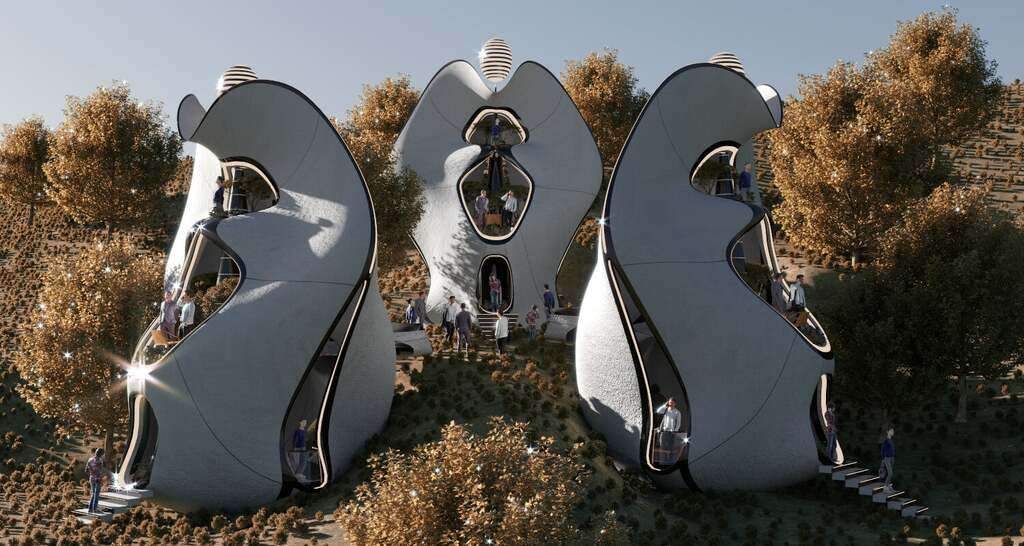
Unveiling the Future: Exploring the Top Architecture Trends in 2024

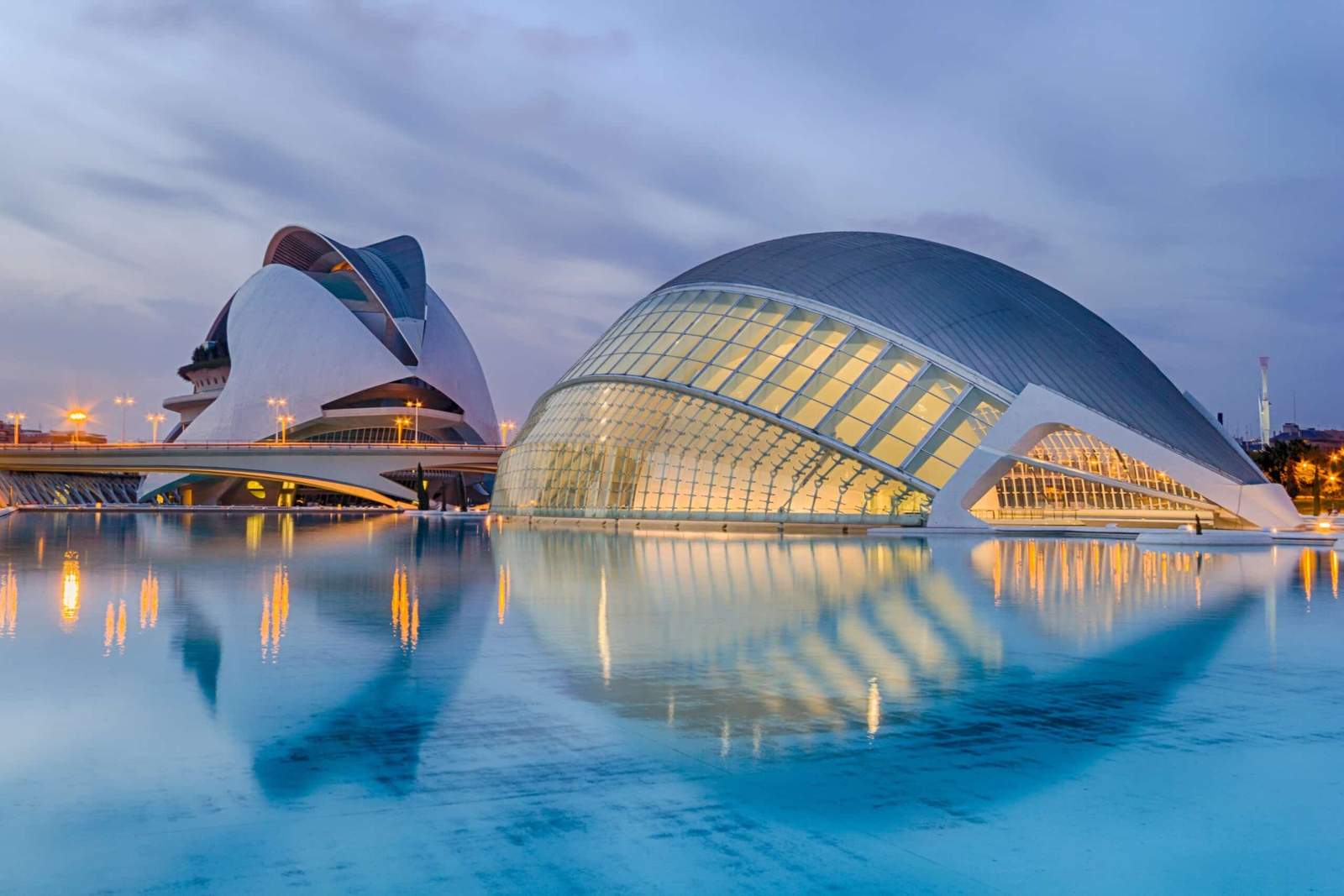
Introduction to Architecture Trends in 2024
As 2024 approaches, the architectural field is still developing, pushing the envelope, and adopting cutting-edge concepts and innovations. We will examine the leading architectural trends that will influence the sector in 2024 in this post. These trends, which range from smart technology integration to sustainable design, are poised to revolutionize how we interact with environments and how we live and work. Accompany me on this voyage as we reveal the Architecture Trends in 2024.
Sustainable Architecture and Green Building Design
Green building design and sustainable architecture will command major attention in the market by 2024. An increasing number of architects are incorporating eco-friendly strategies into their designs due to worries about environmental sustainability and climate change. To reduce a building’s carbon footprint, this involves using energy-efficient systems, renewable materials, and smart technologies. In addition, to improve tenant well-being and foster a harmonious relationship with nature, architectural projects are incorporating green spaces and biophilic design components.
Net-zero buildings are a major component of sustainable Architecture Trends in 2024. These structures are extremely energy-efficient and have a smaller environmental effect because they produce as much energy as they consume. Innovative methods of incorporating renewable energy sources, including wind turbines and solar panels, into building designs are also being investigated by architects. Another trend that will keep gaining traction is the integration of vertical gardens and green roofs, which offer insulation, lessen stormwater runoff, and enhance air quality.
Smart Homes and Innovative Technology in Architecture
The swift progress of technology has made smart houses a reality, and by 2024, their prevalence is expected to increase even more. Modern technology is being incorporated by architects into building plans to provide environments that are not only aesthetically beautiful but also incredibly practical and effective. Smart homes are convenient and improve living conditions overall. They come equipped with voice-activated assistants, integrated security features, automatic lighting and temperature control systems, and more.
Architects are investigating the application of cutting-edge technologies like virtual reality (VR) and augmented reality (AR) in the design process in addition to smart homes. With the use of these technologies, customers may more easily envision their future environments and make well-informed decisions. In addition, 3D printing is transforming the building sector by empowering architects to design intricate buildings precisely and effectively. Robots are being used in construction for a growing number of jobs, including bricklaying and site inspections.
Minimalism and Simplicity in Architectural Design
The urge for minimalism and simplicity is developing in our fast-paced environment. Architectural design is following this trend, emphasizing open areas, clean lines, and a minimalist look. Architects will still favor minimalism in 2024, crafting rooms that are practical, classic, and devoid of superfluous details.
Natural light, muted hues, and basic building materials like concrete, glass, and wood are all emphasized in minimalist design. The lines separating inner and outdoor spaces are becoming increasingly hazy thanks to open floor layouts and smooth indoor-outdoor transitions. A sense of peace and awareness can be fostered in places designed by architects by eliminating extraneous details and emphasizing what matters most.
The Rise of Mixed-Use Developments
Mixed-use projects will become very popular in the architectural field by 2024. These projects combine commercial, residential, and recreational areas into one cohesive entity to create thriving, long-lasting communities. The fundamental idea behind mixed-use developments is live-work-play, which minimizes the need for long commutes while providing convenience.
Mixed-use developments are being designed by architects with a focus on community involvement, walkability, and accessibility. Parks, eateries, shops, and cultural venues are just a few of the amenities that these complexes frequently offer, giving inhabitants easy access to everything they require. Mixed-use projects can create a more sustainable and inclusive urban environment by fostering a sense of community and lowering reliance on automobiles.
Cultural Diversity and Inclusive Architecture
In 2024, spaces that reflect and celebrate the distinct characteristics of communities will be created by architecture, which will encourage cultural variety and inclusivity. Architects are honoring the history and ideals of the people they work with by fusing local customs and cultural heritage components into their designs. This involves establishing a stronger bond between people and their environment by utilizing native building materials, architectural designs, and cultural symbols.
A growing trend in architecture is inclusive architecture, which focuses on creating environments that are welcoming and accessible to everyone, regardless of physical limitations. This covers things like wheelchair accessibility, sensory features for people with vision or hearing problems, and accessible restrooms. Architects are making sure that everyone can interact and participate fully in the built environment by placing a high priority on inclusion in design.
The Impact of 3D Printing and Robotics on Architecture
With the introduction of robotics and 3D printing, the field of architecture is undergoing a transformation. These technologies will still be influencing the construction and design landscape in 2024, opening up new avenues and pushing the envelope. Architects can now design and build complex, multi-story buildings with remarkable speed and accuracy thanks to 3D printing. In addition to lowering construction waste and facilitating the use of sustainable materials, this technology makes the choice more ecologically friendly.
In architecture, too, robots are becoming more and more important, especially during the building stage. Robots are more accurate and efficient at jobs like pouring concrete, laying masonry, and inspecting construction sites. This lowers the possibility of human error while simultaneously accelerating the building process. Robots are also perfect for maintenance and repair work in big buildings and complicated constructions since they can access locations that are difficult to reach.
Conclusion: Embracing the Future of Architecture Trends in 2024
It’s clear from our examination of the top architectural trends for 2024 that the sector has a bright and promising future. Architects are pushing the envelope and adopting cutting-edge concepts in a variety of fields, including inclusive architecture, minimalism, sustainable design, and smart technology. It is imperative that architects adapt and change with the times, adopting new technology and creating environments that are not only beautiful to look at but also sustainable, inclusive, and representative of the varied groups they work with. Let’s enjoy the architectural landscape in 2024 and beyond.
Finally, find out more on ArchUp: