

Audi eMTB 2.0: Merging Luxury and Technology in the Electric Mountain Bike

Inspired by Dakar Racing
The most notable updates come directly from Audi’s Motorsports division. The eMTB 2.0 electric mountain bike draws inspiration from the colors and features of the RS Q e-tron race car, winner of the Dakar Rally, renowned for its electric-hybrid power. This design goes beyond aesthetics, reflecting Audi’s expertise in desert racing and its formidable performance.
Integration of Visual and Functional Performance
What sets this bike apart is Audi’s meticulous approach to blending electric performance with the brand’s visual identity. The goal here is not merely to create an attractive form but to establish continuity between the control of a four-wheeled vehicle and the high capabilities of a two-wheeled bike. This continuity underscores the commitment of luxury brands to precise details and high quality across every category.
Roots of Performance and Deep Heritage
The connection between Audi and the eMTB 2.0 electric mountain bike goes beyond superficial graphics. In fact, Audi achieved its first success in the World Rally Championship during the 1980s using the quattro all-wheel-drive technology, laying a solid foundation for decades of performance. The same competitive spirit now transitions into the world of electric two-wheelers, giving the bike a unique character that blends history with profound expertise.
A Partnership That Enhances Engineering Expertise
Additionally, the Italian company Fantic brings genuine experience in mountain biking. Relying on the XEF 1.9 Factory Enduro platform gives the bike robust engineering, proven by experts who truly understand the challenges of rough terrains. This is not just a brand logo on the bike, it’s a core essence that elevates its status as a luxury product combining performance with advanced technology.
Component Upgrades That Impact Performance
Technically, Audi upgraded the drivetrain with the SRAM GX Eagle Transmission AXS rear electronic motor. This wireless system responds instantly to thumb commands within a 12-speed setup, fully compatible with the SRAM XX SL Eagle 10–52T cassette. The result is powerful climbing gears for sharp technical sections and smooth speeds on descents, enhancing a dynamic and versatile riding experience.

Enhanced Braking Power for Complete Control
The eMTB 2.0 electric mountain bike relies on upgraded EPTA STAGE brake discs, measuring 220 mm at the front and 203 mm at the rear, to deliver strong and balanced stopping power. They are integrated with Sunstar Braking’s F.I.R.S.T. system to ensure consistent performance during long technical descents. This upgrade is particularly important, as heat buildup typically degrades brake feel; with this system, braking control and precision remain stable, enhancing safety and confidence when riding on challenging terrains.

A Quantum Leap in Suspension Systems
The suspension systems on the eMTB 2.0 represent the most significant technical advancements. Öhlins components handle both ends: a 180 mm RXF38 m.2 front fork and a TTX22m.2 coil rear shock. These solutions are not only premium but also draw on Öhlins’ expertise from MotoGP and World Superbike racing. Fully adjustable settings bring race-proven technology directly to off-road riding, with a travel capacity of 180 mm, providing the perfect balance between comfort and control on challenging terrains.
Intelligent Integration of Electric Power
Moving to propulsion, the bike features a 250 W Brose S-MAG motor with 90 Nm of torque. The 720 Wh battery pack is fully integrated into the aluminum frame, maintaining the bike’s sleek design while offering a range of 12–90 miles depending on assistance level and terrain demands. This integration of electric performance and smart engineering ensures a riding experience that balances power with range.

Multiple Electric Assist Modes
The eMTB 2.0 electric mountain bike offers four assist modes, designed to deliver precise power guidance according to riding style and terrain:
- Eco Mode: Focuses on maximum efficiency and extended range, providing noticeable electric assistance without heavy battery consumption.
- Tour Mode: Strikes a balance between power and range, suitable for varied terrains with tangible electric support.
- Sport Mode: Tailored for aggressive riding, offering strong assistance to meet the demands of dynamic performance.
- Boost Mode: Delivers maximum electric support, ideal for climbing the toughest trails and hills with stability and smoothness.
This variety of modes allows riders to adapt performance to the actual needs of the journey, enhancing the overall experience and making the bike suitable for a wide range of conditions.

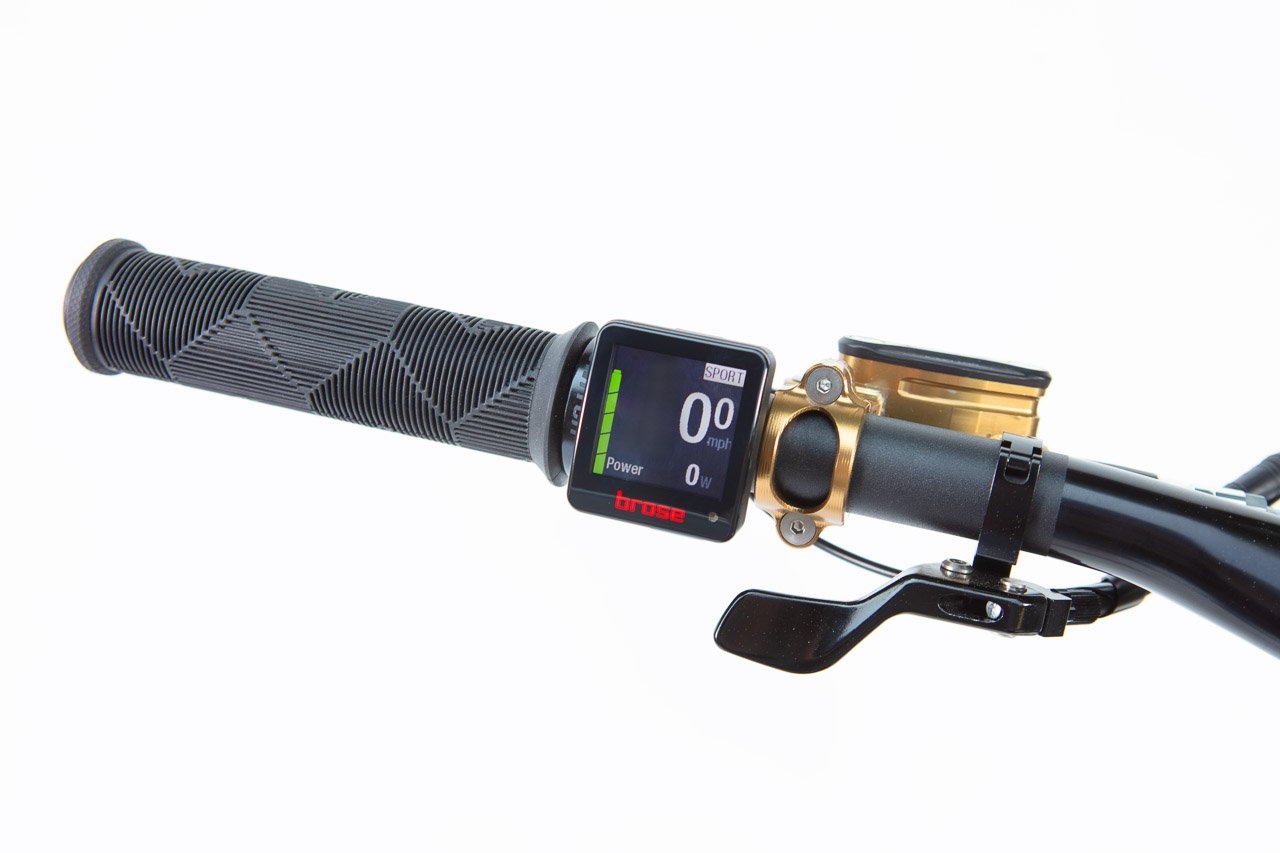
Digital Display for Performance Monitoring
The eMTB 2.0 electric mountain bike features a compact digital display mounted on the handlebar, providing quick-glance access to essential data such as electric assist level, battery status, and speed tracking.
Thanks to the warning charge indicator, when battery levels drop below 10%, the charge icon flashes in the upper-right corner of the display, helping to prevent unexpected power loss during rides and ensuring a safer, smoother riding experience.

Wheel Engineering for Optimal Balance
The eMTB 2.0 utilizes a mixed-wheel setup, featuring a 29-inch front wheel and a 27.5-inch rear wheel, equipped with Mavic tubeless-ready rims and fitted with Vittoria tires specifically designed for electric mountain bikes.
The larger front wheel helps maintain momentum when tackling obstacles and rough sections, while the smaller rear wheel provides superior responsiveness in turns and quick directional changes, giving the bike an ideal balance between control and stability across all terrains.
A Strong Position in a Crowded Market
The quality of components places the Audi eMTB 2.0 in direct competition with renowned electric mountain bike specialists. Priced at $5,850, the cost reflects the true value of the components and technologies used, beyond just the brand premium, reinforcing the bike’s standing in the luxury performance segment within a crowded market.
The Value of Integration and Technical Support
The Öhlins suspension system alone justifies the premium pricing, while SRAM’s electronic drivetrain typically appears on high-end bikes. What sets the eMTB 2.0 electric mountain bike apart from cheaper alternatives is the quality of integration and brand support. Audi’s dealer network provides access to maintenance services often unavailable from smaller brands, while the partnership with Fantic ensures spare parts and ongoing technical support, enhancing long-term reliability.
Comprehensive Delivery and Riding Experience
Upon delivery, Audi focuses on providing a complete riding experience that includes essential accessories such as gloves, jerseys, shorts, water bottles, and backpacks, along with compatible bike racks. This approach expands the concept of bike ownership to encompass an entire lifestyle centered around mountain biking.
The Bigger Picture of Electric Power
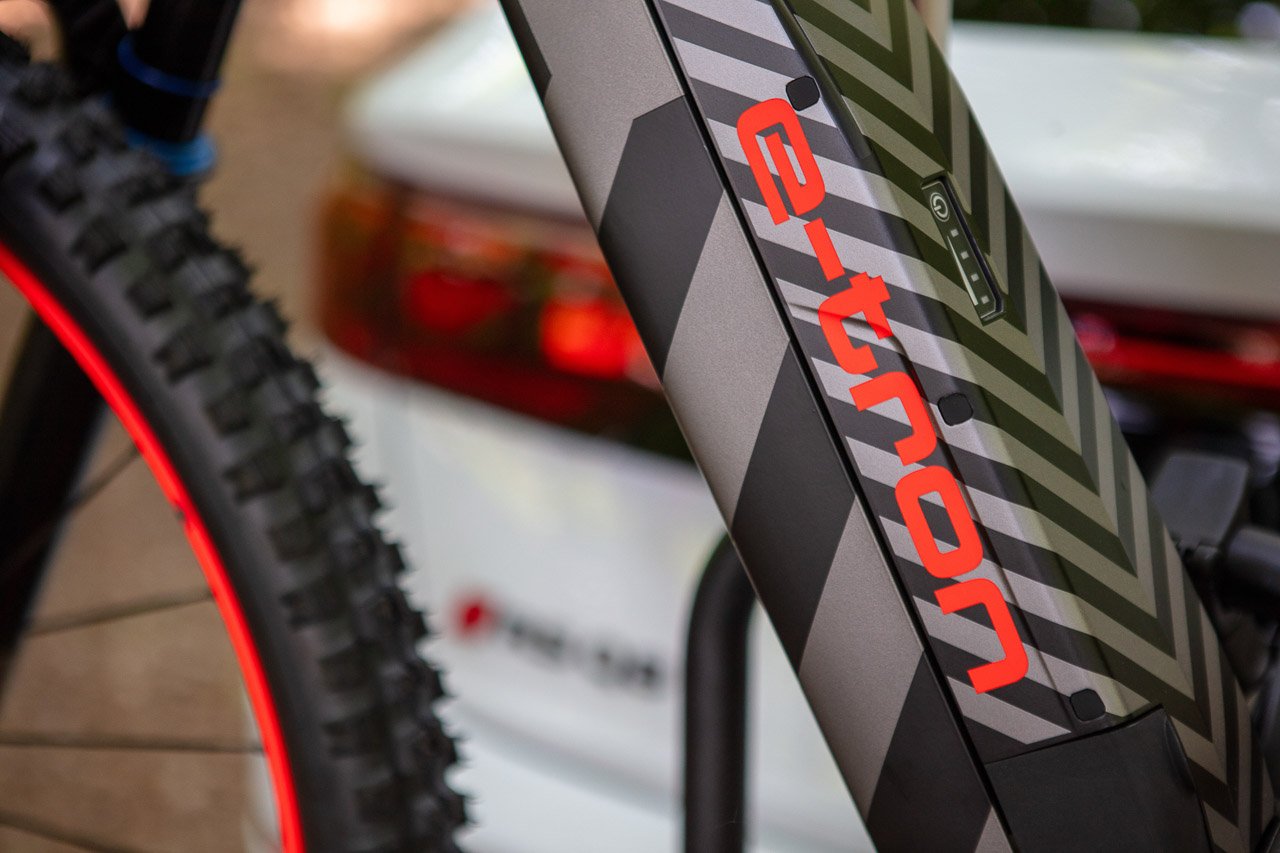
The development of the electric bike reflects Audi’s broader commitment to electrification across all its products. The same philosophy of electric engineering and energy management used in the e-tron vehicle series is evident here through the integration of high-quality components and optimized user experience. This approach highlights German engineering precision and enhances off-road riding, delivering practical and consistent performance that goes beyond simply owning an electric bike.
Luxury Performance with Calculated Value
For riders seeking the allure of a luxury brand with genuine technical substance, the Audi eMTB 2.0 electric mountain bike delivers enhanced performance at a lower price compared to its predecessor. The bike combines Dakar Rally-inspired design, Öhlins suspension, and advanced SRAM electronics, ensuring that it not only looks striking but also provides practical, standout performance that meets the expectations of serious off-road riding.
✦ ArchUp Editorial Insight
The Audi eMTB 2.0 presents an intriguing model in combining technical performance with visual appeal, where its Dakar Rally-inspired design reflects the brand’s ability to merge form with function. This capacity to blend aesthetics and dynamics offers an idea that can inspire other fields, such as urban or interior design, where achieving a balance between functional performance and visual appeal is an ongoing challenge.
However, the project remains limited in several respects. The emphasis on luxury performance and advanced technologies makes the bike relatively expensive, potentially reducing accessibility for a broader user base or replication of the concept in lower-cost design contexts. Additionally, the focus on high-performance components and technical integration may limit flexibility for customization or adaptation to individual user needs, an important consideration when exploring the potential application of the concept in urban or design projects requiring multi-level solutions and cost management.
For architecture enthusiasts, the general concept of the Audi eMTB 2.0 can be inspirational in how advanced technology can be integrated with aesthetic considerations in the design of facilities or products. Yet, practical implementation requires careful balancing of performance, cost, and versatility, a challenge shared between luxury vehicle design and modern urban space planning.
Prepared by the ArchUp Editorial Team
Don’t miss the chance to explore more from Architecture, Buildings, and Interior Design on the ArchUp website.


