

Beast Land in Riyadh An Integrated Architectural Model for Modern Entertainment Cities

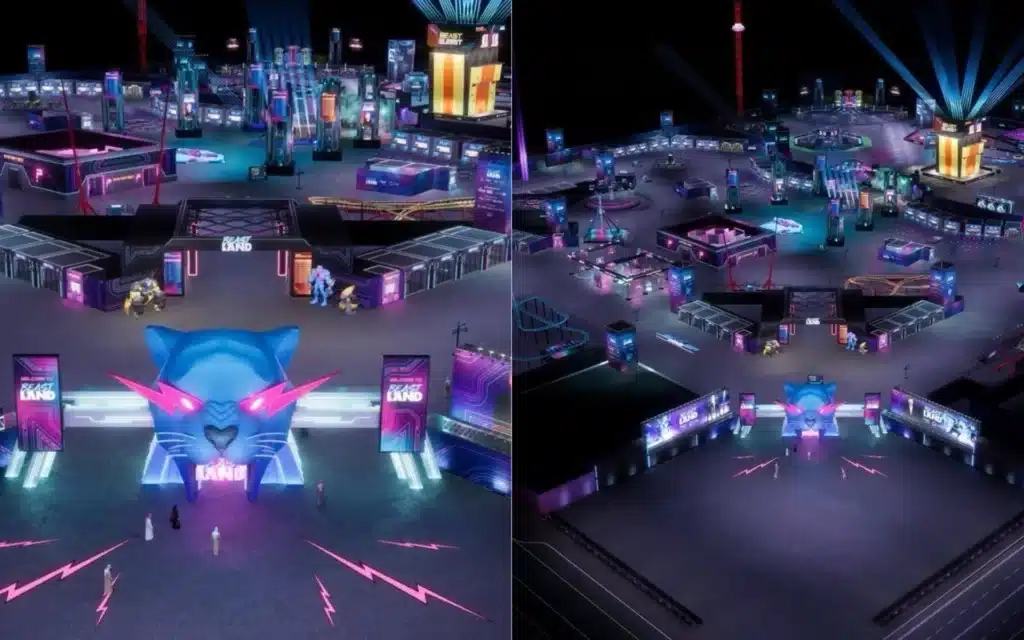
Beast Land exemplifies an innovative entertainment city, representing an advanced architectural model for contemporary urban recreational spaces. Here, architectural design, human movement, and interactive experiences are seamlessly integrated into a cohesive environment. The project spans a vast area, featuring a smart arrangement of buildings, pathways, and public squares, creating a continuous visual and functional journey for visitors and transforming each area into part of the overall architectural narrative.

Urban Planning and Open Spaces
Beast Land relies on a network of interconnected pathways and diverse public squares that ensure smooth circulation and open sightlines throughout the city. The urban plan emphasizes the harmony between built structures and open spaces, allowing visitors to maintain a continuous connection between attractions and surrounding areas.
The layout demonstrates a deep architectural understanding of human movement, prioritizing user experience and flow between different zones, while incorporating visual contrasts through varying heights and geometric lines to enhance the dynamism of the overall scene.

Building Facades and Multi-Functional Structures
The facades of Beast Land combine futuristic aesthetics with vibrant colors, incorporating interactive elements that add visual and sensory dimensions to the experience. Buildings are designed to merge multiple functions with human-scale dimensions, including:
- Indoor game zones and interactive experience areas.
- Public squares and open spaces that visually extend pathways.
- Shaded areas and natural lighting to enhance comfort and sustainability.
The design focuses on integration between buildings and surrounding attractions, ensuring that each structure becomes part of the interactive experience, reflecting the principles of contemporary interactive architecture.

Architectural Experience and Attractions
The attractions and recreational spaces exemplify the conceptual design of the city:
- Vertical structures such as interactive towers utilize vertical space intelligently, integrating movement within buildings as part of the visitor experience.
- Multi-level areas manipulate light and shadow to intensify engagement and interactivity.
- Open, versatile arenas facilitate circulation and provide clear sightlines for all visitors, demonstrating an advanced architectural understanding of both indoor and outdoor recreational design.
Each space is designed to make visitors active participants in the experience, through interactive pathways and visual elements that respond to movement.
Interactive Architecture and Sustainability
A key feature of the project is the integration of architecture with visitor interaction:
- Pathways guide circulation naturally, introducing continuous visual surprises along the way.
- Interactive facade elements respond to visitor movement, enhancing engagement.
- Reliance on natural lighting and ventilation, along with sustainable materials, minimizes energy consumption and reinforces architectural sustainability.
The design delivers a holistic, immersive experience, transforming every corner into an opportunity for interaction and exploration, reflecting current trends in urban entertainment architecture.

Architectural Challenges and Conceptual Innovation
Beast Land demonstrates a sophisticated approach to modern challenges in entertainment city design:
- Managing visitor flow through open pathways and plazas to reduce congestion.
- Designing buildings and recreational zones that are both safe and functional.
- Ensuring flexibility so that new attractions and experiences can be added without altering the core structure.
- Balancing visual experience, movement, and sustainability to create an integrated city that transcends the traditional amusement park model.
Summary Table of Architectural Elements in Beast Land
| Element | Architectural and Conceptual Description |
|---|---|
| Urban Planning and Circulation | Interconnected pathways and open squares that facilitate movement and maintain clear sightlines. |
| Multi-Functional Buildings | Integration of indoor attractions, event halls, and interactive zones with human-scale dimensions. |
| Facades | Futuristic aesthetic with vibrant colors and interactive features enhancing visual and sensory engagement. |
| Open Spaces | Public squares with varied heights and dynamic geometries, maximizing natural light. |
| Integration of Buildings and Attractions | Each building interacts with surrounding attractions, forming a cohesive interactive experience. |
| Attractions and Architectural Experience | Towers, multi-level zones, and open arenas providing immersive, movement-oriented experiences. |
| Interactive Architecture | Pathways, responsive facade elements, and sustainable lighting and materials. |
| Architectural Challenges | Visitor flow management, safety, flexibility for future development, and integration of visual and experiential quality. |
✦ ArchUp Editorial Insight
Beast Land, as an Innovative Entertainment City, features a visually rich environment that integrates multi functional buildings, open pathways, and public squares. Its colorful interactive facades reflect a futuristic character, while varied heights and geometric lines add dynamism to the scene. From a design perspective, the project demonstrates a deep understanding of human circulation and user experience, although its heavy reliance on digital interactive elements may somewhat reduce the natural continuity of spaces. Nevertheless, the design delivers a cohesive experience blending movement, interaction, and context, enhancing both educational and recreational value, establishing the project as a practical example of contemporary entertainment city architecture.
For verified updates on global activities, visit ArchUp’s architecture events section, featuring documented coverage of leading exhibitions and conferences, along with continuously updated architecture competitions and official results.





🎭 From an architectural perspective, Beast Land presents an interesting entertainment concept, yet its scale and spatial coherence seem closer to a themed boulevard than a fully developed entertainment city. When compared to complex experiential models like Disneyland Orlando (https://archup.net/orlando-architecture/
), it appears more symbolic than urban. The project would gain depth by articulating how its architectural program, narrative sequencing, and spatial logic create a truly immersive environment rather than a collection of visual attractions.