Between Ambition and Reality: The Arab Struggle Between Mega Projects and Daily Life

Saudi Arabia today faces a structural gap between government-backed mega urban projects—such as the tallest towers and grand developments in Jeddah—and the residential reality in suburban areas, where construction quality is often poor, and design lacks architectural standards or clear regulations.
The Urban Divide
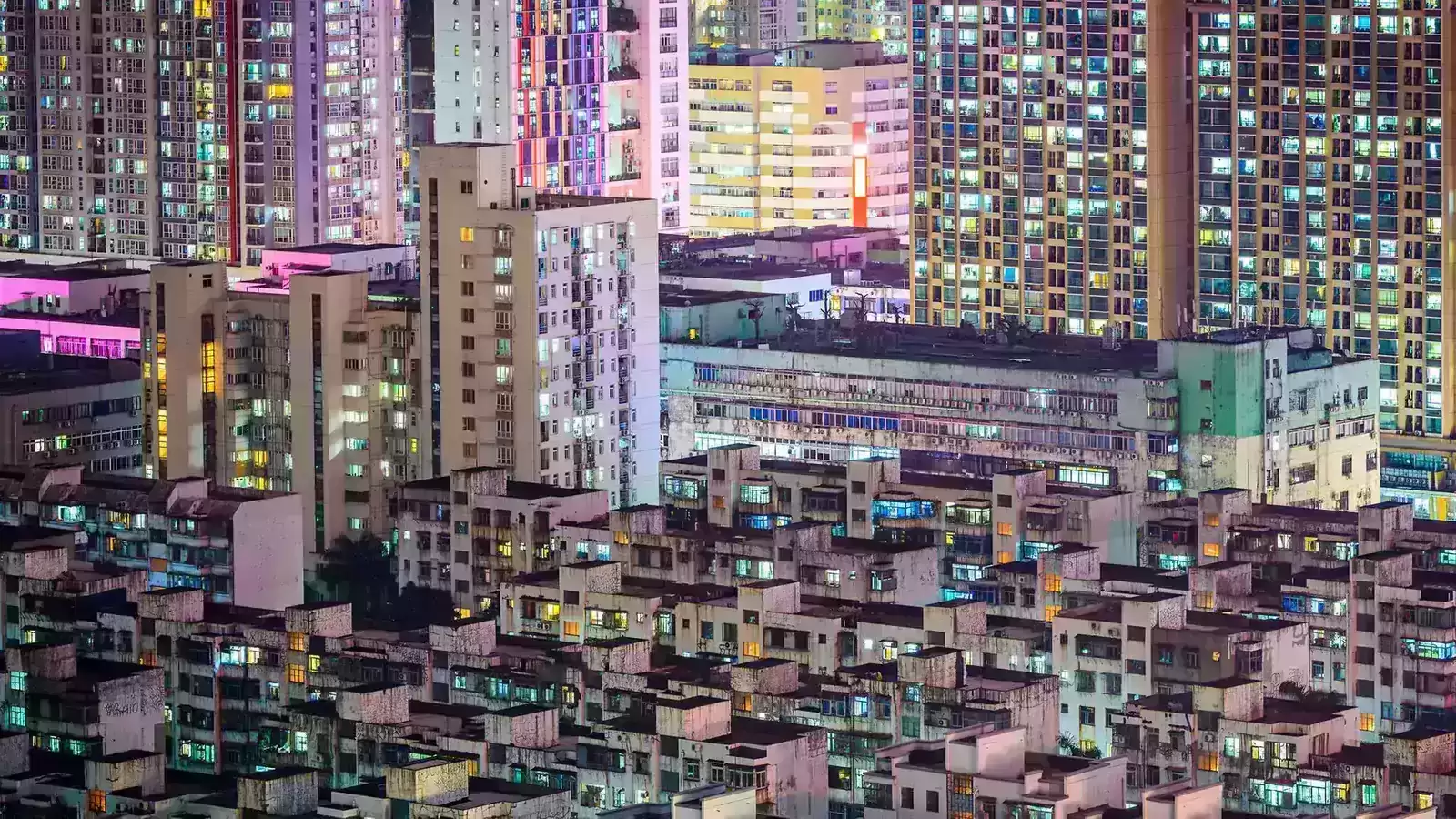
Mega projects are concentrated in precisely planned areas that apply international standards and are executed by specialized firms. In contrast, suburban areas often rely on individually contracted builders, with minimal or no architectural oversight. This has affected the quality triangle: structural durability, design lifespan, and aesthetic value. The result is repetitive, plastic-looking facades that resemble “cardboard boxes” lacking identity or artistic depth.
Real Estate Prices vs. Construction Quality
According to Knight Frank reports, apartment and villa prices in Riyadh rose by approximately 10–11% in 2024, reaching an average of 4,215 SAR/m² for apartments and 5,000 SAR/m² for villas. However, suburban construction quality does not reflect this price increase, creating a growing gap between cost and performance.

The Contractor’s Market Dominance
Today’s contractor holds more influence than the architect in marketing and decision-making, leveraging platforms like “Haraj” and classified ads. Contractors often manage projects from initial design to execution, sidelining architectural consultants. This reduces the architectural façade to a superficial execution, devoid of genuine artistic vision.
Repetitive Design & Limitations of the Saudi Building Code
Despite the existence of a Saudi Building Code, enforcement is inconsistent. Many facades are duplicated without variation, and in several cases, contractors neglect insulation or proper stucco applications—even though implementing these standards could improve energy efficiency by up to 44%.
The Absence of Saudi Aesthetic and Creativity
Saudi architects appear to be marginalized in residential projects, their roles and identities largely invisible. This may stem from the state’s focus on massive developments, which has dampened support for local architectural innovation. Nonetheless, smaller-scale housing projects still offer opportunities for more personalized and experimental design.

Municipal Regulations and Government Oversight
Although urban growth is state-backed, municipal bureaucracy often sidelines designers and consultants, allowing contractors to bypass aesthetic standards. However, new regulations are emerging to restore balance, aiming to standardize architectural facades and establish a stronger visual identity—especially in neighborhoods near major towers.
Conclusion and Recommendations
- Align property prices and construction quality: Enforcing higher building standards and technical oversight is essential to preserve real estate value.
- Empower the role of architects: Grant consultants greater agency in residential projects to ensure identity and quality.
- Enforce building codes practically: Especially for insulation and thermal/waterproofing practices.
- Balance growth with intelligent implementation: Promote smart development in suburbs and open space for innovative, individual housing solutions.
✦ ArchUp Editorial Opinion
This Arabic article carries a truly emotional dimension, spontaneously observing the aesthetic and design differences between Arab environments, and confronting the Arab architect with ambition and reality. What makes this proposal relevant in 2025, however, is that it is now read in light of the major transformations led by His Royal Highness Crown Prince Mohammed bin Salman through the “Saudi Architecture” program. The program was not merely an announcement of a new form, but rather a conscious and in-depth reading of what was stated in this article. It was translated into policies and visions that put an end to visual chaos and reshaped collective awareness of form and quality.
The program took popular aspirations and fused them into a clear and unified form for all, based on the Saudi Building Code, which in turn improved energy efficiency and helped reduce visual clutter. Despite this progress, the article remains at its core both honest and painful, as it represents the prevailing impression before this qualitative leap.
The new neighborhoods being implemented by real estate developers today are more organized and of higher quality, but some challenges remain: stereotypical repetition, a lack of architectural diversity, and sometimes a disconnection from local identity. This brings us back to the importance of a sustained critical vision, which this article, despite its emotional nature, represents.
✦ Evaluation: This is a powerfully expressive article that demonstrates the need to transform individual aesthetics into public policy—precisely what the Saudi National Architecture Program has done.

Explore the Latest Architecture Exhibitions & Conferences
ArchUp offers daily updates on top global architectural exhibitions, design conferences, and professional art and design forums. Follow key architecture competitions, check official results, and stay informed through the latest architectural news worldwide. ArchUp is your encyclopedic hub for discovering events and design-driven opportunities across the globe.