

BIM 2.0 and Generative Design: Revolutionizing Architectural Innovation

How Next-Gen Tools Are Liberating Architects from Outdated Workflows
The AEC sector stands at a pivotal moment. As digital solutions and AI redefine industries, architectural design remains shackled to tools conceived before smartphones existed AutoCAD (1982), ArchiCAD (1987), Revit (1997), Rhino (1998), SketchUp (2000), and VectorWorks (2001). These platforms, designed for a pre-cloud, pre-AI era, enforce manual workflows that stifle collaboration and innovation. Yet, a new wave of “BIM 2.0” tools is emerging, merging cloud-native collaboration, generative design, and data-driven decision-making to transform early-stage design.
The Catalyst for Change: Why Legacy Tools Fail Modern Architects
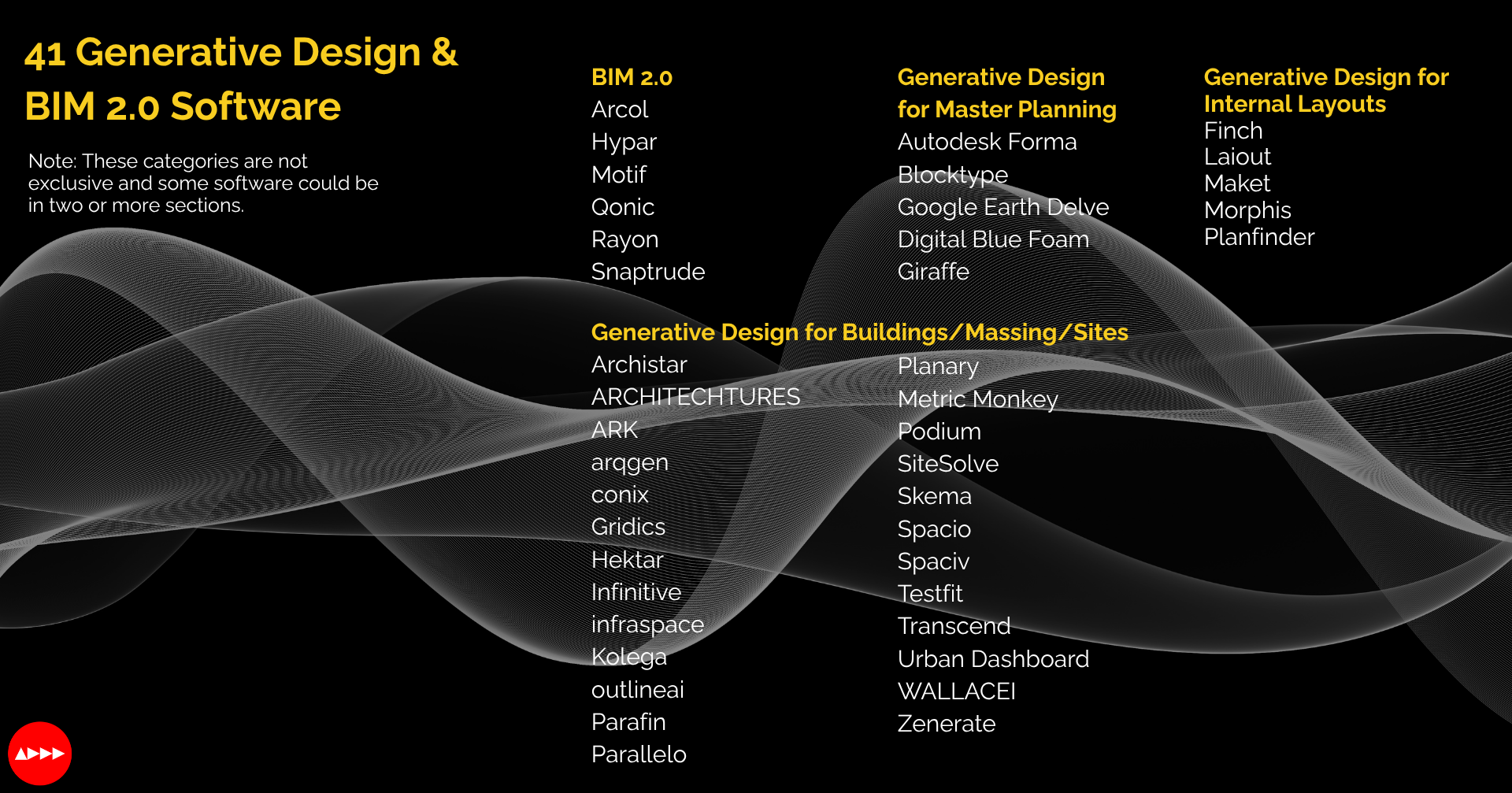
Legacy software, developed for linear, siloed workflows, struggles to meet today’s demands for agility and integration. In 2023, a seminal AEC Journal article likened software evolution to “asteroid impacts” of disruptive tech highlighting stagnation in tools like Revit, which sparked industry-wide frustration and the Future AEC Software Specifications (FASS) framework. BIM 2.0 tools, however, align with how architects actually work:
- Arcol: Peer-to-peer collaboration for early-stage design, replacing fragmented toolchains.
- Hypar: AI-driven space planning from area briefs.
- Snaprud: Cloud-based real-time modeling with bidirectional Revit sync.
- Qony: Lightweight BIM for rapid iteration without traditional complexity.
These platforms prioritize interoperability, user-centric design, and scalability addressing pain points like costly licenses, rigid workflows, and limited generative capabilities.
Generative Design: The Missing Link in BIM 2.0
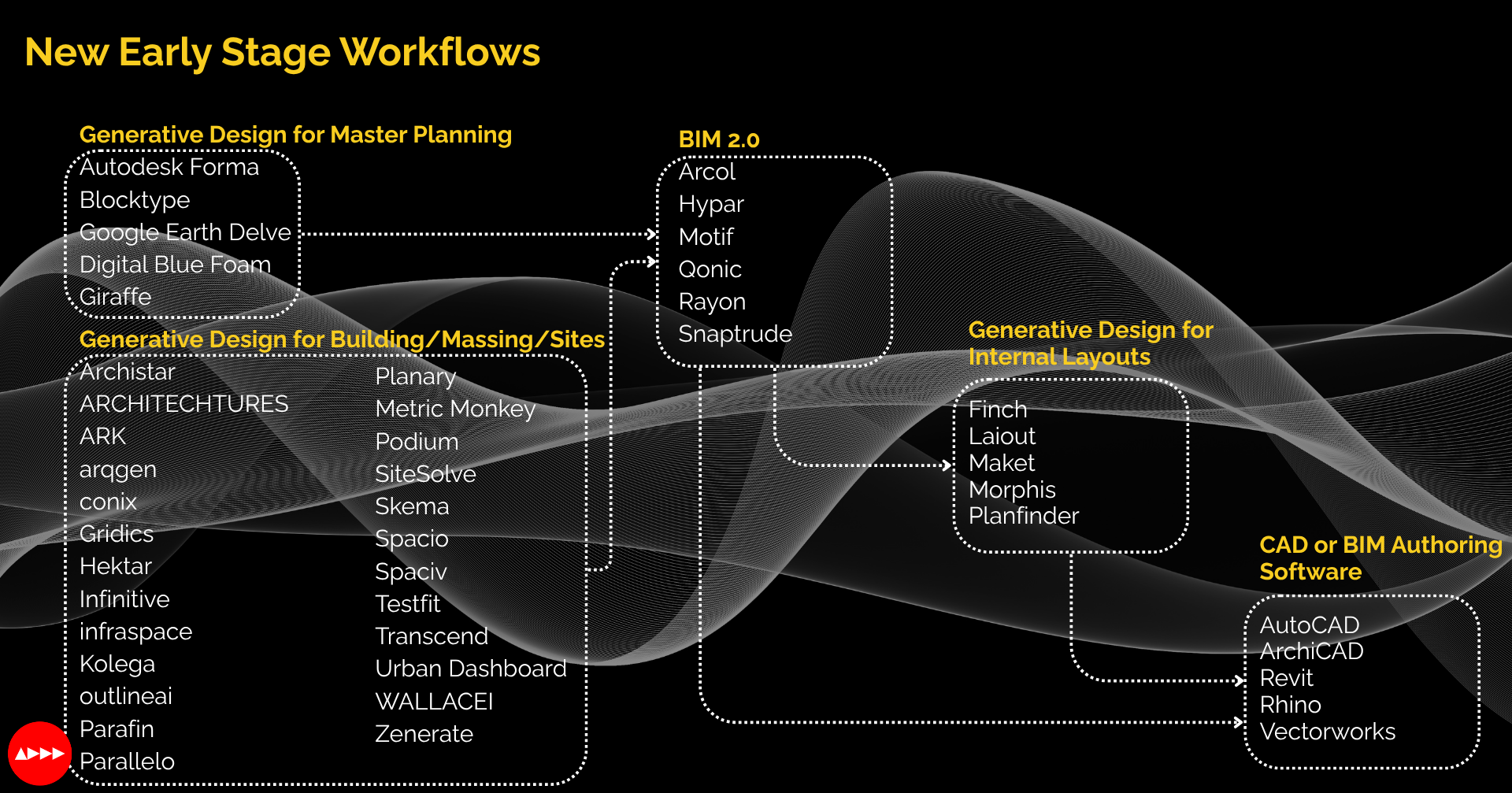
Generative design leverages algorithms to explore thousands of solutions based on parameters (e.g., unit mix, sustainability goals). Unlike manual iteration, it amplifies creativity by offloading repetitive tasks to AI, then refines outputs through human judgment. Tools like TestFit and Swapp integrate generative workflows directly into BIM 2.0 environments, enabling:
- Rapid Feasibility Testing: Instant massing studies with performance metrics (energy, cost).
- Data Reusability: Seamless transitions from concept to detailed design.
- Democratized Innovation: Practices without coding expertise can harness algorithmic power.
Five Reasons Architects Must Embrace BIM 2.0
- Faster Iteration: Cloud collaboration cuts weeks of manual modeling to hours.
- Enhanced Creativity: Generative tools expand design possibilities, not replace them.
- Sustainability by Default: Real-time performance feedback from day one.
- Cost Efficiency: Affordable subscriptions vs. legacy software’s steep overheads.
- Competitive Edge: Early adopters deliver smarter, client-ready proposals faster.
The Future: A Democratized Design Paradigm
BIM 2.0 isn’t just an upgrade it’s a cultural shift. By merging generative design, cloud collaboration, and open-data principles, it empowers architects to focus on why they design, not how they model. As Alister Lewis notes at the upcoming [AEC] Tech Summit (Paris, Nov 17, 2025), this movement frees the profession from “temporal distortions” of 20th-century tools. The question isn’t if to adopt, but when and those who act now will lead the renaissance.
✦ ArchUp Editorial Insight
The rise of BIM 2.0 and generative design marks a seismic shift in architecture, replacing outdated tools with platforms that prioritize collaboration, AI-driven iteration, and sustainability. While the enthusiasm for these technologies is justified, critics argue that the transition may marginalize smaller firms lacking resources to adapt a gap the industry must address through training and scalable pricing. Nonetheless, the fusion of human creativity with algorithmic precision promises to elevate architectural practice, turning early-stage design from a bottleneck into a strategic advantage. This isn’t just progress; it’s liberation.
Explore the Latest Architecture Exhibitions & Conferences
ArchUp offers daily updates on top global architectural exhibitions, design conferences, and professional art and design forums.
Follow key architecture competitions, check official results, and stay informed through the latest architectural newsworldwide.


