

The British Embassy in Brasília: A Dialogue Between British and Brazilian Architecture

The British Embassy in Brasília: A Dialogue Between Modernism and Postmodernism
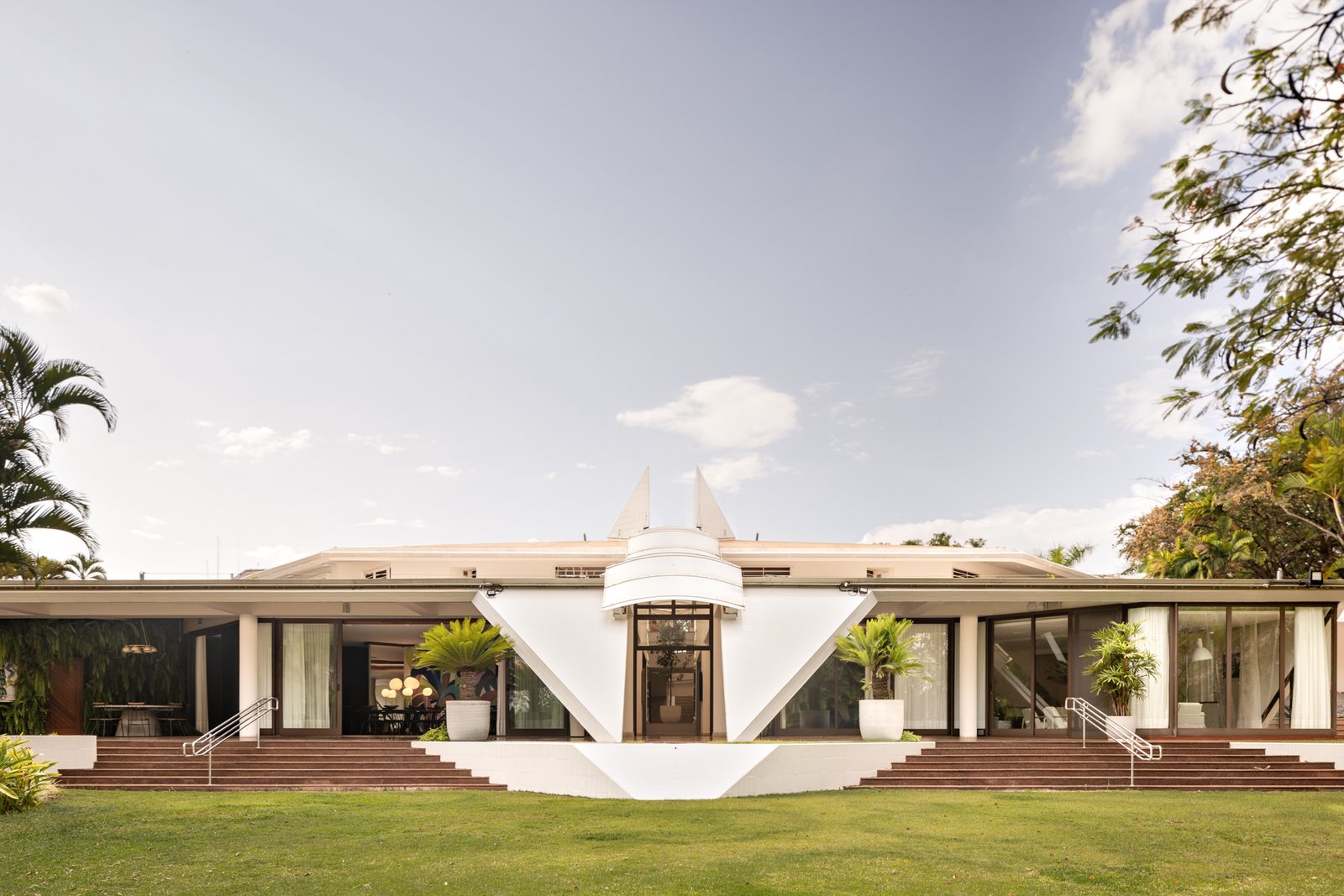
The British Embassy in Brazil stands as one of the most remarkable examples of blending modern architecture with the spirit of postmodernism. Amid the unique urban landscape of the capital, Brasília, the building emerges as an architectural masterpiece that balances tradition with innovation.
Brasília… A City Born from Creativity
Brasília was conceived from scratch as an ambitious national project in the mid-20th century, led by the renowned architect Oscar Niemeyer and city planner Lúcio Costa. Officially inaugurated in 1960, it became a global model for modern urban planning, combining artistic character with a forward-looking vision.
Renewal with a 21st-Century Spirit
Within this rich historical context, the renovation of the British Embassy building breathed new life into the space. The project was undertaken by Hersen Mendes Arquitetura, drawing inspiration from 21st-century design principles that merge simplicity with elegance, while respecting the original structure of the site.
A Tour Inside the British Embassy in Brazil
A Project That Began with a New Chapter in Diplomacy
The story of the British Embassy’s renovation began in 2023, when Hersen Mendes Arquitetura was invited to redesign the building’s interior and exterior spaces. The project coincided with the appointment of Ambassador Stephanie Al-Qaq, who became the first woman to hold this position in Brazil, adding a symbolic dimension that reflects transformation and renewal in diplomatic relations between the two countries.
Coinciding with a Major Royal Event
The project also coincided with the celebrations of the coronation of King Charles III and Queen Consort Camilla, giving the renovation a special celebratory character. The new design was not merely an update of an official residence, but a representation of a new phase in the British presence in Brazil, blending British cultural identity with the spirit of Brazilian architectural openness.
A Balance Between Tradition and Renewal
Preserving the Spirit of the Original Design
The architects made a great effort to update all rooms and reinterpret their interior details in a way that preserves the building’s original identity. The Hersen Mendes Arquitetura team relied on the original design plans to ensure that the distinctive architectural features remained present in the new project.
A Design That Combines Purity and Warmth
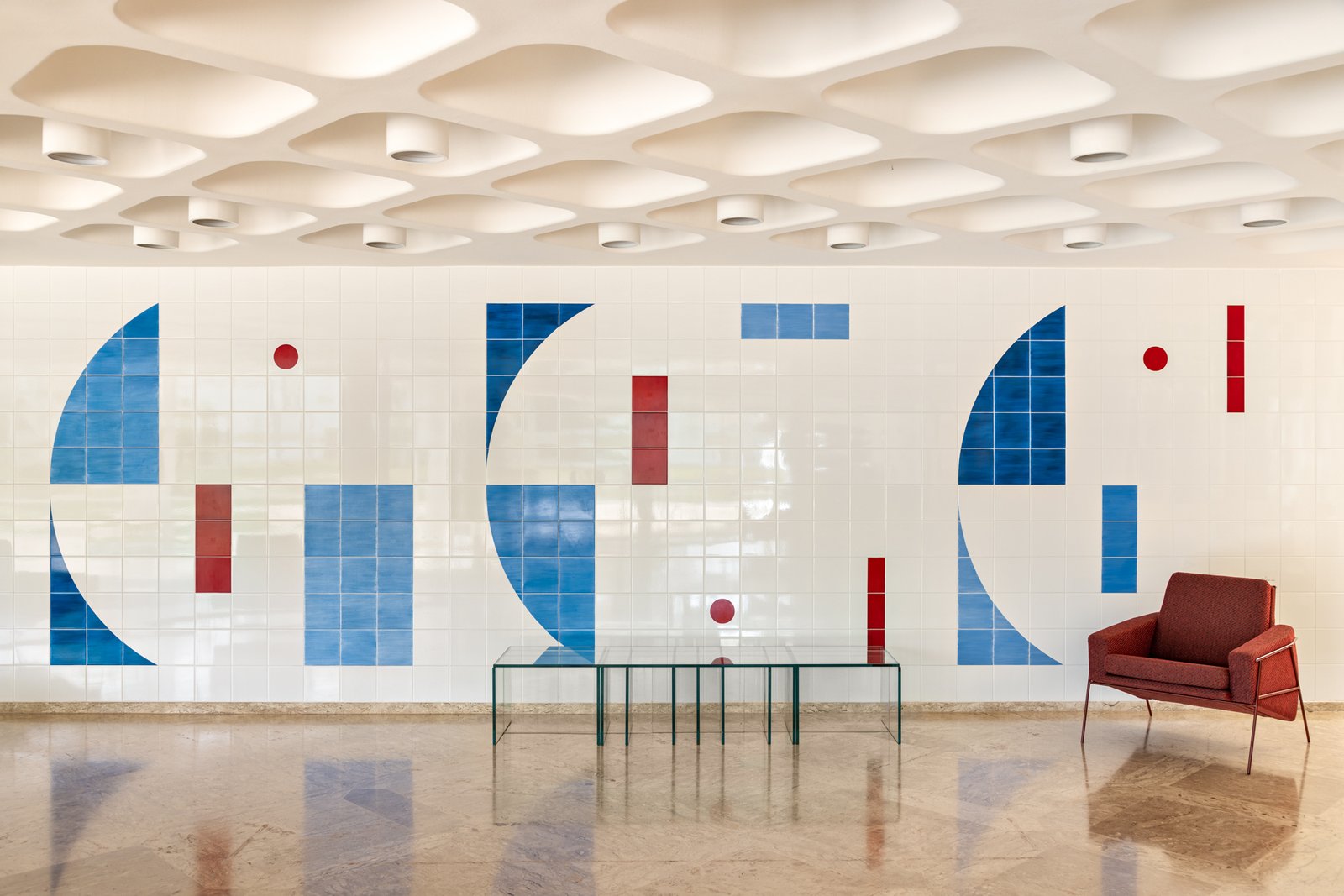
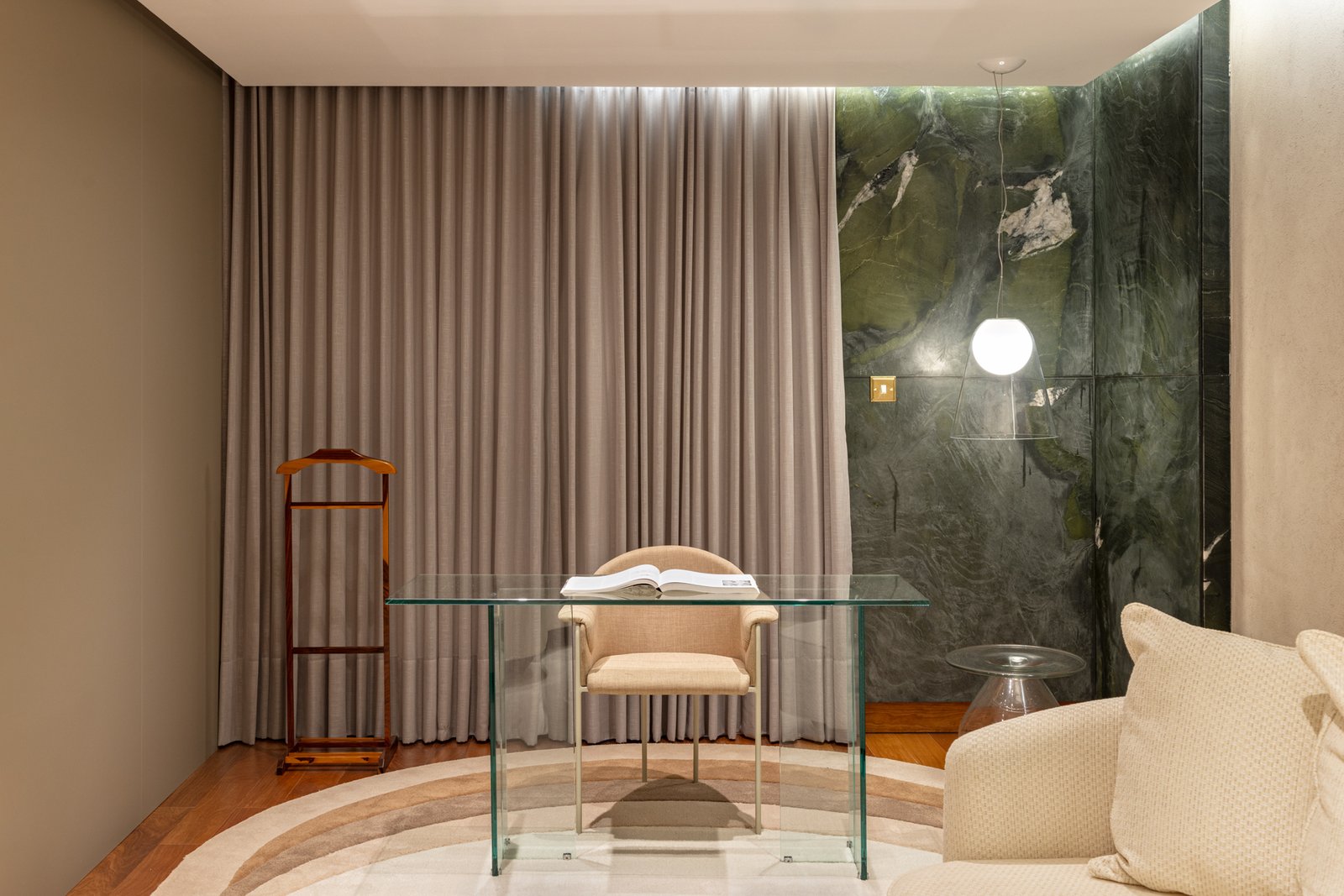
The team aimed to create an atmosphere that embodies both purity and warmth, meeting the needs of the new ambassador and the broader requirements of the diplomatic building. The result showcases a delicate balance between functionality and beauty, with full respect for the original architecture’s characteristics, which rely on asymmetry and the integration of right angles with 45-degree angles, giving the interior spaces a unique personality and harmonious visual flow.
The Ambassador’s Vision: A Dialogue Between Two Cultures
A Perspective on the Renovation Project
Commenting on the renovation, Ambassador Stephanie Al-Qaq explained that the core idea was not merely to update the official residence, but to reimagine its cultural and architectural identity.
“When we decided to reimagine the official residence, we had in mind creating a space that embodies this fusion between worlds. We wanted something bold and contemporary, yet rooted in Brazilian aesthetics, particularly Brasília’s aesthetic, to honor local and national artists.”
A Fusion of British Elegance and Brazilian Spirit
This statement reflects the ambassador’s vision of expressing the cultural dialogue between Britain and Brazil through the interior design itself. The spaces were designed not merely as an official residence, but as a visual and cultural bridge, combining British boldness with Brazilian warmth, a beautiful reflection of both architectural and diplomatic collaboration.

Harmony Between Private Life and Official Character
A Design That Serves Dual Purposes
The project combined the requirements of daily life within a private family home with the needs of official diplomatic work. Accordingly, the interior spaces were designed to be flexible, easily transitioning between warm family settings and formal ceremonial occasions.
A Blend of Modernity and Classicism
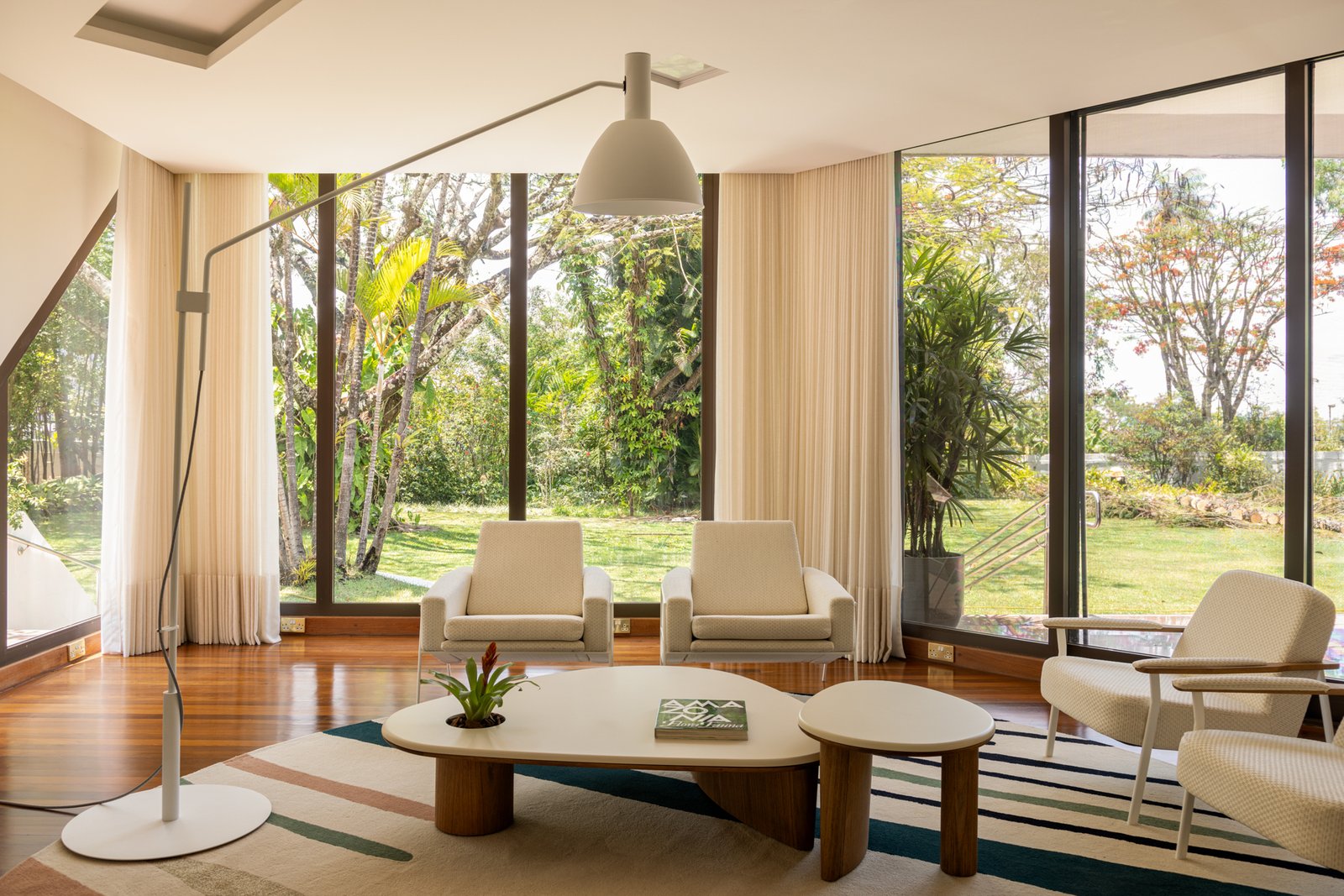
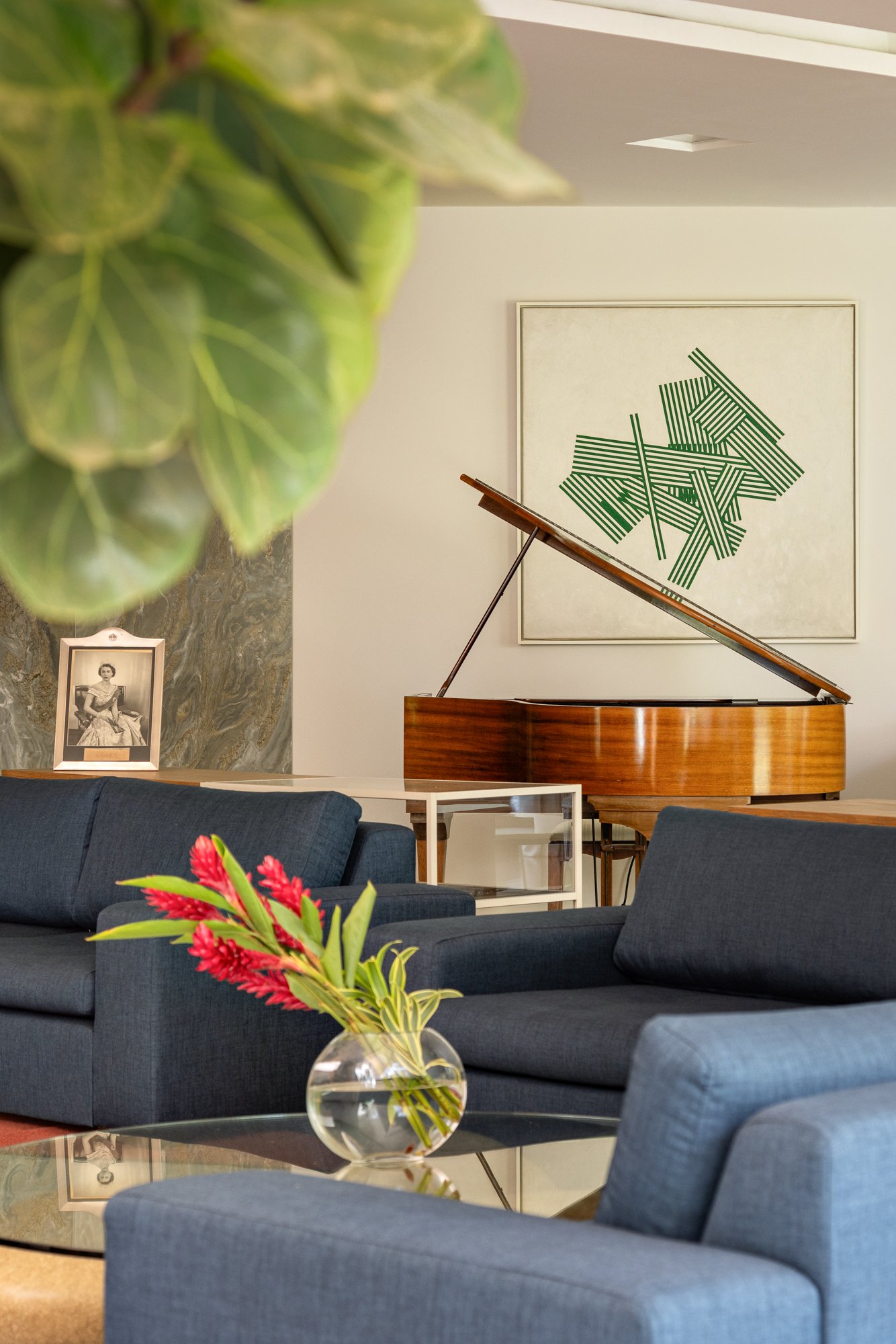
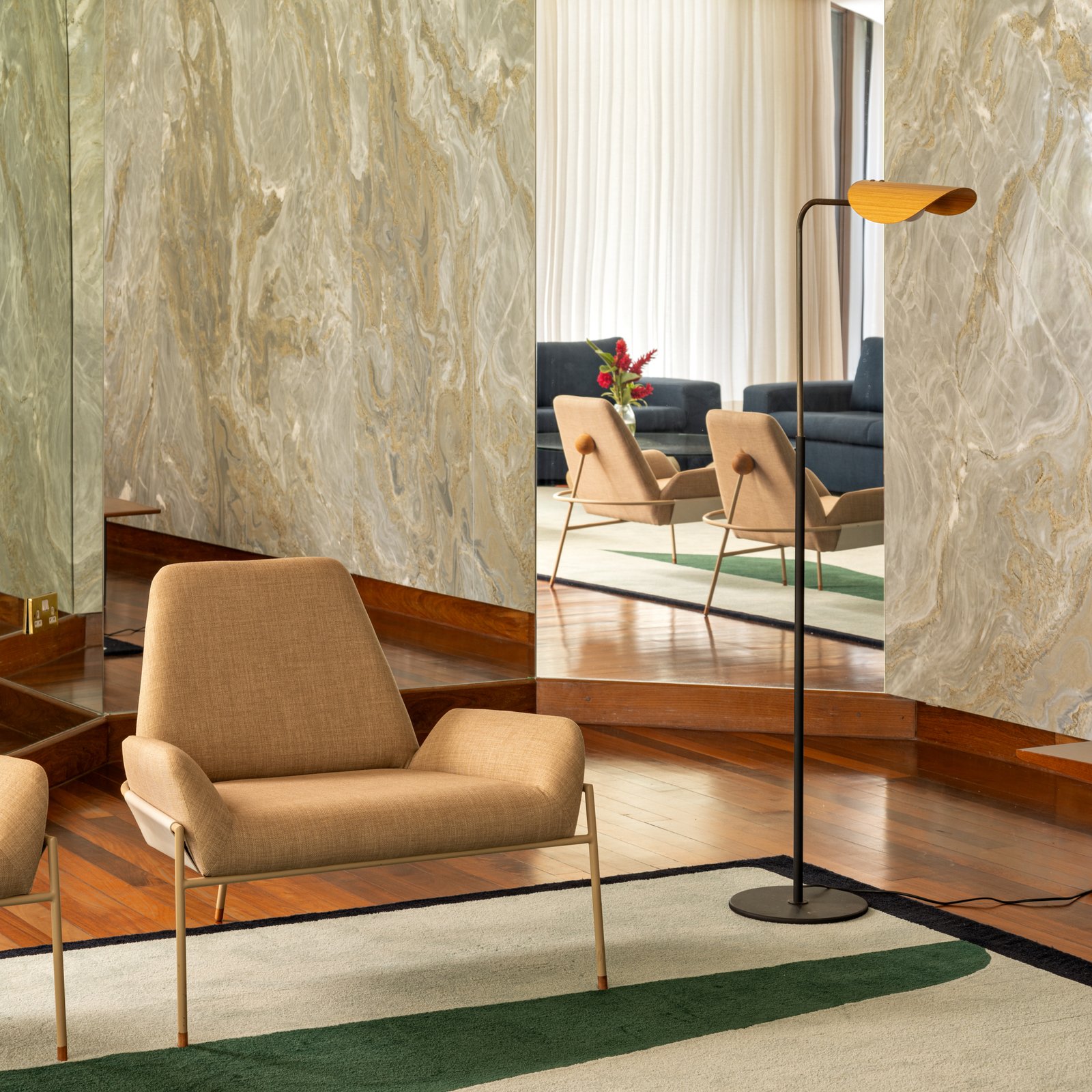
The designers adopted a style that balances contemporary, design-oriented furniture with vintage classical pieces carrying distinct historical character. This combination created an environment that reflects continuity between past and present, highlighting the building’s identity as a space that embodies both British elegance and a Brazilian touch.
An Artistic Presence Enriching the Details
To further enliven the interior scene, the walls and corridors were adorned with a rich collection of artworks distributed throughout the space, turning every corner into a small visual narrative that reflects the cultural diversity bridging British and Brazilian artistic traditions.
Art as a Bridge Between Cultures
Paintings Inspired by National Identity
The embassy houses a collection of prominent artworks representing the intersection of Brazilian and British cultures. Among the highlights is a hand-painted tile panel by artist Alexander Mancini, a student of Athos Bulcão. Its geometric shapes are inspired by the Brazilian flag, while its colors reflect those of the United Kingdom, making it a visual symbol of communication between the two nations.
Historical Symbols and Artistic Concepts
In the living room, a green marble panel stands out as an element symbolizing British maritime traditions, while a mural by artist Sandra Crivellaro in the banquet hall adds an artistic touch celebrating the beauty of Brazilian flora, highlighting the natural and cultural diversity that embodies the spirit of Brasília.
Art as a Complementary Design Element
These works demonstrate how art can serve as an integral architectural component. Its role extends beyond mere decoration, contributing to a deeper dialogue between local identity and British heritage within the building, adding a cultural and visual layer that enriches the experience of both visitors and residents alike.

Furniture: A Balance Between Comfort and Cultural Identity
A Smart Blend of Brazilian and British Touches
The selected furniture plays a pivotal role in the project, providing not only comfort but also reflecting a harmonious interaction between the two cultures. By blending Brazilian and British designs, each piece acquires a distinctive character that enriches the experience of both visitors and residents.
Notable Designs Adding Depth to the Spaces
Prominent furniture pieces are distributed throughout the building, such as Windsor chairs designed by Jader Almeida and Lina chairs inspired by architect Lina Bo Bardi’s work, along with creations by contemporary designers like Domingos Tótora, Jacqueline Terpins, and Zanini de Zanini. These selections capture the essence of contemporary Brazilian design, giving the spaces a cohesive artistic personality.
Furniture as a Complementary Element to the Architectural Experience
Through careful curation of these pieces, furniture goes beyond aesthetics, becoming an element that complements the dialogue between architecture, art, and culture, making each room a unique sensory and visual experience that enriches the overall character of the embassy.
The Handmade Hammock: A Traditional Touch in a Modern Context
Blending Local Craftsmanship with the Official Space
On the terrace of the room reserved for King Charles during any future visit, a handmade Kamaiurá-style hammock hangs, adding a touch of warmth and local craftsmanship to the space.
Traditional Materials and Techniques
The hammock is made from buriti and cotton fibers, traditional materials that reflect the richness of Brazilian craftsmanship and the skill of local artisans. This element goes beyond a decorative role, serving as a bridge between Brazilian cultural heritage and the official function of the space, adding a human and sensory dimension to the user experience.
The Ambassador’s Assessment: The Space as an Architectural Dialogue
A Reflection on the Project
Ambassador Stephanie Al-Qaq concludes by emphasizing that the project was not merely a formal update, but a realization of the idea of cultural and modern architectural convergence.
“I believe the result wonderfully reflects this idea; it is a blend of modern British style and the bright boldness of Brazilian architecture. It is a space that dialogues with both Brazilian and British modernity, celebrating innovation and diversity.”
A Space That Merges Modernity with Innovation
The ambassador’s words reflect the success in achieving an architectural and artistic balance, where modern British style harmonizes with Brazilian boldness and creativity. This space is not just an official residence but an ongoing visual and cultural dialogue, highlighting how architectural design can simultaneously express identity and innovation.
✦ ArchUp Editorial Insight
The British Embassy project in Brasília represents a clear example of blending modern British style with the innovative spirit of Brazilian architecture, showcasing attention to artistic details and interior design. The space offers a rich visual and cultural experience, serving as a bridge between local identity and diplomatic presence.
However, some may feel that the density of artistic elements and diverse furniture makes it challenging to achieve a unified sense of harmony. Additionally, the combination of official character with everyday life may not easily suit all uses. The strong focus on symbolism and cultural identity can occasionally overshadow the practical functionality of the space.
Overall, the project provides an enjoyable and inspiring architectural experience, with certain limitations that may affect the functional flow of different areas. It stands as a culturally and artistically rich model, yet requires an appreciation of the diverse styles and symbols present within the space.
Prepared by the ArchUp Editorial Team
Don’t miss the chance to explore more from Architecture, Buildings, and Interior Design on the ArchUp website.


