Historic Robert Burns Farmstead Set for Major Restoration in Scotland

Preservation Plans Unveiled for National Bard’s Rural Home
Detailed proposals have emerged to restore the historic farmstead of Robert Burns, Scotland’s celebrated national poet. The restoration project targets the rural property where Burns lived and worked during the 18th century.
The submission marks a significant step forward in preserving Scotland’s literary heritage. Moreover, the plans demonstrate growing commitment to protecting historic buildings across the nation.
Architectural Significance and Heritage Value
The Robert Burns farmstead represents a crucial piece of Scottish cultural history. Burns resided at the property during his most productive years as a writer. Therefore, the site holds immense value for both literary scholars and heritage enthusiasts.
The farmstead’s original architectural design reflects typical 18th-century Scottish rural construction methods. Additionally, the structures showcase traditional building materials common to the period.
Scope of the Restoration Project
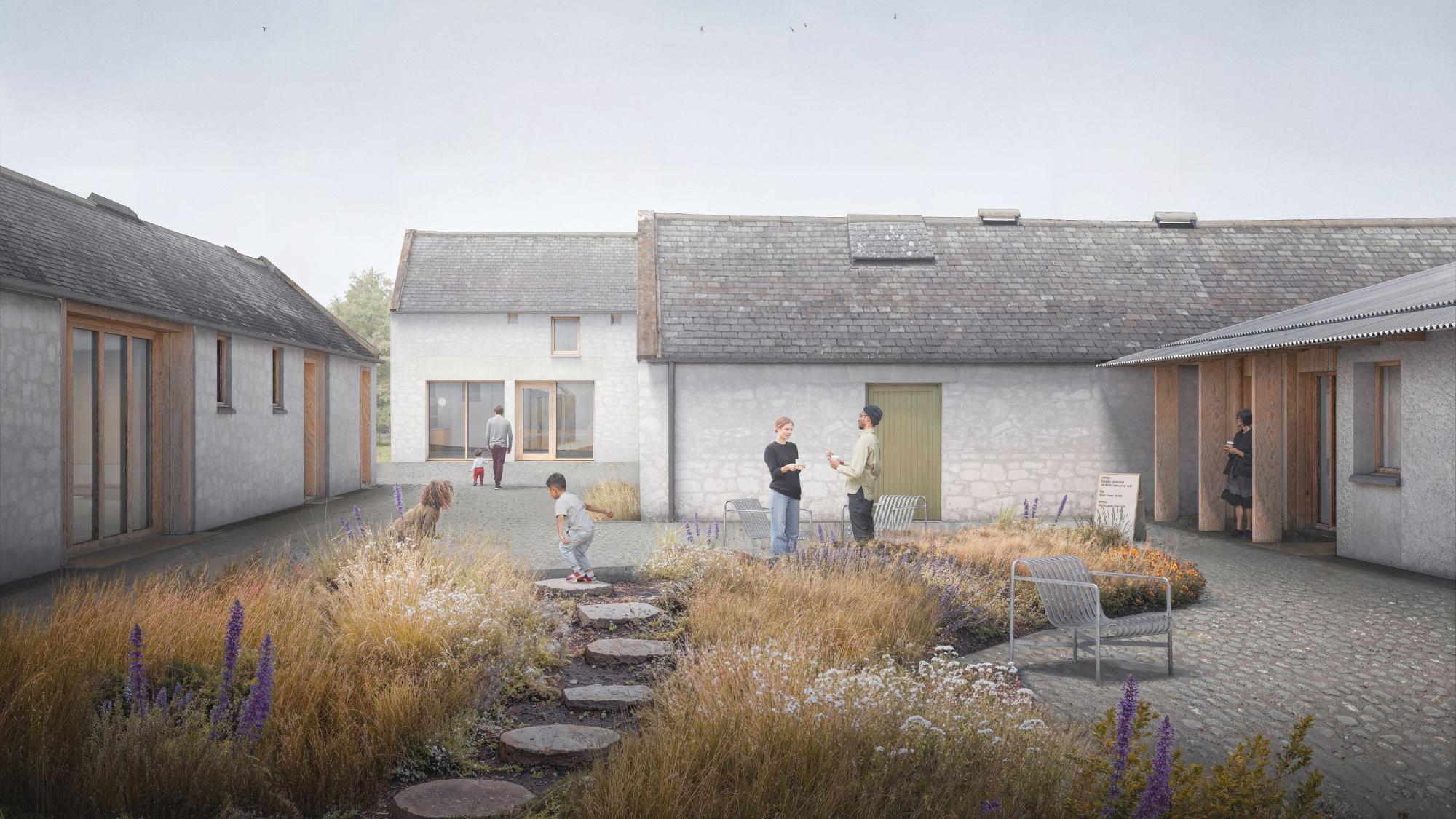
The detailed proposals outline comprehensive restoration work across the farmstead. Plans include careful repair of deteriorating stonework and timber elements. Furthermore, the project will address structural issues while maintaining historical authenticity.
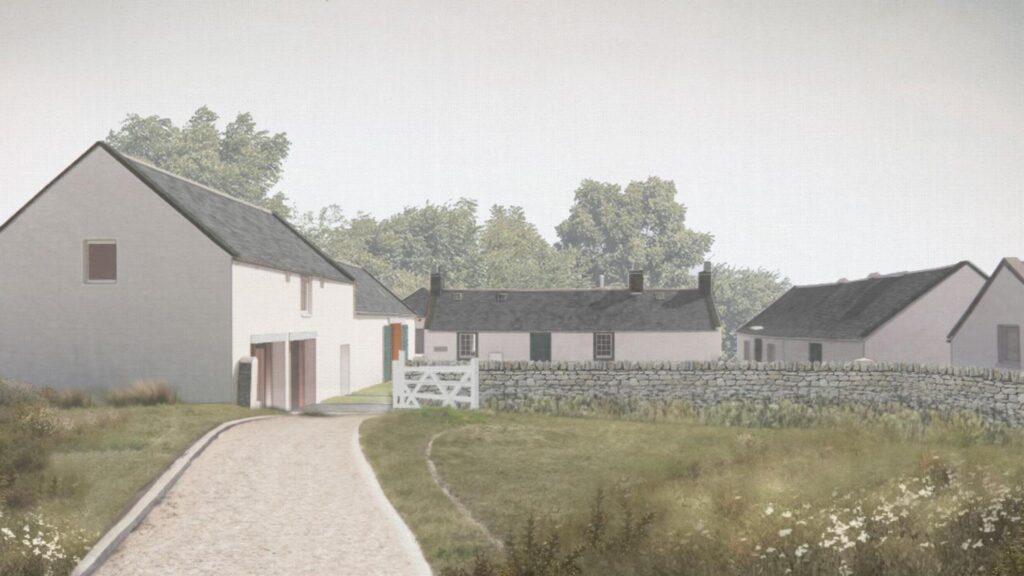
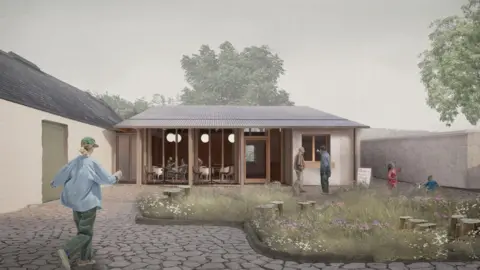
Specialists will employ traditional techniques throughout the restoration process. This approach ensures the farmstead retains its original character and charm. Consequently, visitors will experience the property as Burns himself knew it.
Cultural Impact and Public Access
The restoration project serves Scotland’s broader heritage conservation goals. Once complete, the farmstead will offer enhanced public access opportunities. Visitors can explore the spaces where Burns wrote some of his most famous works.
The initiative aligns with ongoing efforts to preserve Scotland’s architectural heritage. Similarly, it supports educational programs focused on Scottish literary history.
Timeline and Next Steps
The submission of detailed proposals initiates the formal planning review process. Local authorities will assess the plans against conservation guidelines and sustainability standards. Meanwhile, heritage advocates await approval decisions.
The project timeline depends on securing necessary approvals and funding. However, organizers remain optimistic about moving forward with the restoration work. The completed project will safeguard this important historic structure for future generations.
What aspects of Scotland’s architectural heritage matter most to preserving national identity?
A Quick Architectural Snapshot
The Robert Burns farmstead comprises multiple stone structures typical of 18th-century Scottish agricultural buildings. Original stonework and timber framing require careful conservation. The property spans several acres in rural Scotland, featuring traditional farm outbuildings alongside the main residence where Burns created his literary masterpieces during his residency.
✦ ArchUp Editorial Insight
Heritage restoration in rural Scotland follows a recurring pattern. Declining local economies reduce maintenance investment over decades. Properties deteriorate until cultural identity anxiety triggers institutional intervention. Funding then flows not from architectural necessity but from tourism revenue projections and national branding strategies.
The decision to restore a literary figure’s residence reflects a specific calculation. Cultural capital converts into visitor economies. Consequently, the architectural outcome prioritizes interpretive authenticity over structural innovation. Traditional materials and techniques become mandatory not because they perform better but because deviation threatens the heritage narrative.
Planning frameworks in conservation areas further constrain outcomes. Approval timelines extend. Risk-averse procurement favors proven methods. The resulting architecture becomes a product of regulatory caution, economic justification, and collective nostalgia rather than spatial ambition.
This project is the logical outcome of cultural preservation economics, tourism-dependent rural policy, and identity-driven institutional behavior.