Concrete Parking Barriers

Home » Building Materials » Material Datasheets » Concrete Parking Barriers

Overview

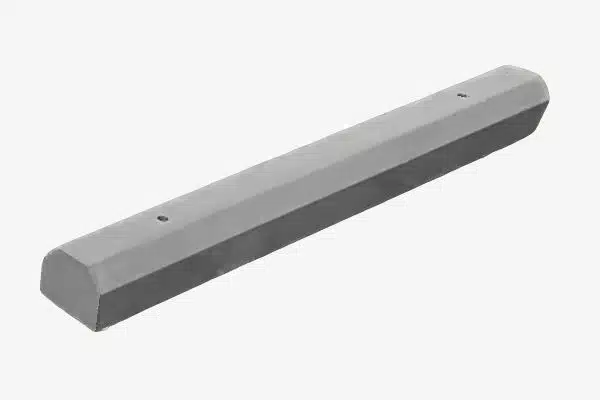
Concrete parking barriers are robust structures designed to prevent vehicles from going beyond designated parking spaces. They help protect infrastructure and other parked vehicles, as well as minimize damage to curbs and walls.


Why Use Concrete Parking Barriers?

  • Protection of Infrastructure – Prevents vehicles from damaging nearby structures.
  • Vehicle Control – Guides cars into parking spots to ensure proper parking.
  • Durability – Made from high-strength concrete for long-lasting use.
  • Low Maintenance – Requires minimal upkeep due to its strong construction.

Common Uses

  • Parking Lots – Used to organize and protect parking spaces.
  • Car Parks – To separate rows of parked vehicles.
  • Industrial Areas – Protects important areas from vehicle encroachment.
  • Private Properties – Used for private parking spaces or driveways.

Specifications

PropertyValue
MaterialHigh-strength concrete
Size1000 mm (length) x 150 mm (height)
Weight80 kg each
ColorGrey or customizable
DurabilityLong-lasting with minimal wear

Installation Steps

  1. Measure the Area – Determine the correct placement and number of barriers.
  2. Place Barriers in Position – Arrange barriers to cover the designated parking zones.
  3. Anchor Properly – Ensure that barriers are firmly fixed to prevent movement.
  4. Check for Alignment – Make sure all barriers are evenly spaced.

Case Studies

  • Commercial Parking – Used in malls and commercial centers for traffic control.
  • Residential Parking – Ensures organized parking spaces in apartment complexes.
  • Airport Terminals – Protects restricted areas and parking garages.

Maintenance

  • Check for Damage – Inspect barriers for cracks or wear and replace if necessary.
  • Clean Regularly – Remove dirt and debris to maintain visibility and aesthetics.
  • Repair Minor Issues – Patch small chips or cracks with concrete filler.
Further Reading from ArchUp

  • Water Stop

    Overview Water Stop is a flexible and durable material used in concrete construction to prevent water leakage through joints. It is commonly installed in foundations, basements, tunnels, and water-retaining structures to ensure waterproofing and structural integrity. Why You Should Use…

  • Volcanic Insulating White Block

    Overview: The Volcanic Insulating White Block is a lightweight and highly effective construction material made from volcanic ash and other natural materials. It provides excellent thermal insulation, soundproofing, and fire resistance. Due to these properties, it is widely used in…

  • Liquid Red Bond

    Overview Liquid Red Bond is a specialized adhesive used in construction to improve the bonding strength between cement, plaster, and various other surfaces. It enhances the overall durability of applications, making it an essential material for cementing, plastering, and concrete…

  • Plaster Corner Bead (Steel)

    Overview A plaster corner bead (steel) is a construction accessory used to reinforce and protect plastered corners in buildings. It ensures sharp, straight edges and prevents damage or cracking over time. Made from galvanized steel, it offers durability, corrosion resistance,…

  • Nylon Roll

    Overview Nylon rolls are widely used in construction, packaging, and industrial applications due to their durability, flexibility, and resistance to environmental factors. They serve as protective barriers, moisture-resistant layers, and covering materials in various settings. Why Use Nylon Rolls? Common…

  • Tropia

    Overview Tropia is a construction material designed for a variety of applications in the building and renovation sectors. Known for its durability, flexibility, and ease of application, it plays a key role in providing strong and reliable results for both…

Leave a Reply

Your email address will not be published. Required fields are marked *