Red Firebrick


General Description
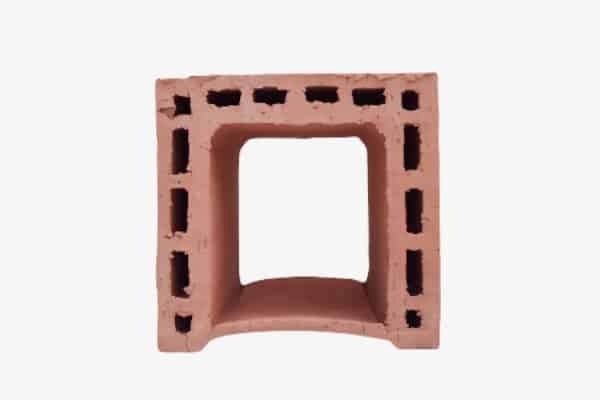
Red firebrick is a specialized brick designed for high-temperature applications, particularly in fireplaces, ovens, and industrial furnaces. Made from heat-resistant clay, this brick can withstand extreme temperatures without cracking or losing its structural integrity. It is widely used in both residential and commercial projects for its durability, thermal insulation properties, and aesthetic appeal.
Properties and Features
- High Heat Resistance: Can endure temperatures exceeding 1,200°C.
- Thermal Insulation: Helps retain heat, making it energy-efficient for fireplaces and ovens.
- Durability: Resistant to cracking and expansion due to heat fluctuations.
- Aesthetic Appeal: Its natural red color adds a traditional and rustic look.
- Versatile Applications: Suitable for indoor and outdoor use.
- Fireproof and Non-Combustible: Ensures safety in high-heat environments.
Common Applications
- Fireplaces: Used to construct fire chambers for wood-burning fireplaces.
- Ovens: Ideal for pizza ovens, bread ovens, and tandoors.
- Barbecues: Forms the structure of outdoor grills and BBQ pits.
- Industrial Furnaces: Used in foundries and kilns for heat containment.
- Chimneys: Essential for building durable and heat-resistant chimneys.
Available Dimensions
- Standard Sizes:
- 200 × 100 × 50 mm
- 230 × 115 × 65 mm
- 250 × 120 × 75 mm
- Custom sizes available upon request.
Density and Weight
- Density: 1,800-2,200 kg/m³.
- Weight per brick: Typically ranges between 3-5 kg, depending on size.
Lifespan and Strength
Red firebrick is known for its 50+ year lifespan, maintaining its performance in extreme heat conditions. It has high compressive strength, ensuring it remains intact under heavy loads and thermal stress.
Advantages
- Superior Heat Retention: Stores and gradually releases heat.
- Low Maintenance: Requires minimal upkeep over time.
- Sustainable Material: Made from natural clay, environmentally friendly.
- Enhances Energy Efficiency: Reduces fuel consumption in heating applications.
Comparison with Other Brick Types
| Feature | Red Firebrick | Ordinary Clay Brick | Concrete Brick |
|---|---|---|---|
| Heat Resistance | High (1,200°C+) | Low (400-600°C) | Low (300-500°C) |
| Thermal Insulation | Excellent | Moderate | Poor |
| Durability | High | Medium | High |
| Aesthetic Appeal | Rustic Look | Traditional Look | Modern Look |
| Water Absorption | Low | High | Medium |
Installation Guidelines
- Surface Preparation: Ensure a stable and heat-resistant foundation.
- Mortar Selection: Use refractory mortar for optimal bonding.
- Brick Placement: Lay bricks in staggered rows for stability.
- Curing Time: Allow mortar to dry completely before use.
- Sealing and Maintenance: Inspect for cracks and reapply mortar if needed.
Pricing and Availability
- Price Range: $1.50 to $5 per brick, depending on size and quality.
- Price Factors: Thickness, density, and fire resistance affect cost.
Maintenance Tips
- Regular Cleaning: Remove soot buildup in fireplaces and ovens.
- Crack Inspection: Check for thermal stress damage over time.
- Repointing Mortar: Apply new mortar if joints weaken.
Case Studies
- Traditional Wood-Fired Ovens: Used in pizzerias and bakeries for heat retention.
- Luxury Fireplaces: Installed in high-end homes for aesthetic and functional benefits.
- Industrial Kilns: Essential in pottery and metal industries for high-temperature durability.