

D/Partment: Integrating Beauty and Function in Everyday Product Design

The Blend of Beauty and Function in Design
Often, we tend to approach objects primarily as practical tools rather than decorative elements. This is understandable, as the primary purpose of most items is usually daily use, not merely aesthetic appeal. However, this raises the question: can objects be practical while also delivering a visually striking impact?
Balancing Form and Function
This is where product designers play a crucial role, balancing practicality with aesthetics. Instead of focusing solely on a single function, designers strive to create pieces that reflect a distinctive visual taste while maintaining their effectiveness for everyday use.
An Example of Integrated Design
Some contemporary studios, such as D/Partment in Berlin, offer a concept known as the “Integrated Living System.” This system is based on merging industrial strength with minimalist aesthetics and relies on three core elements:
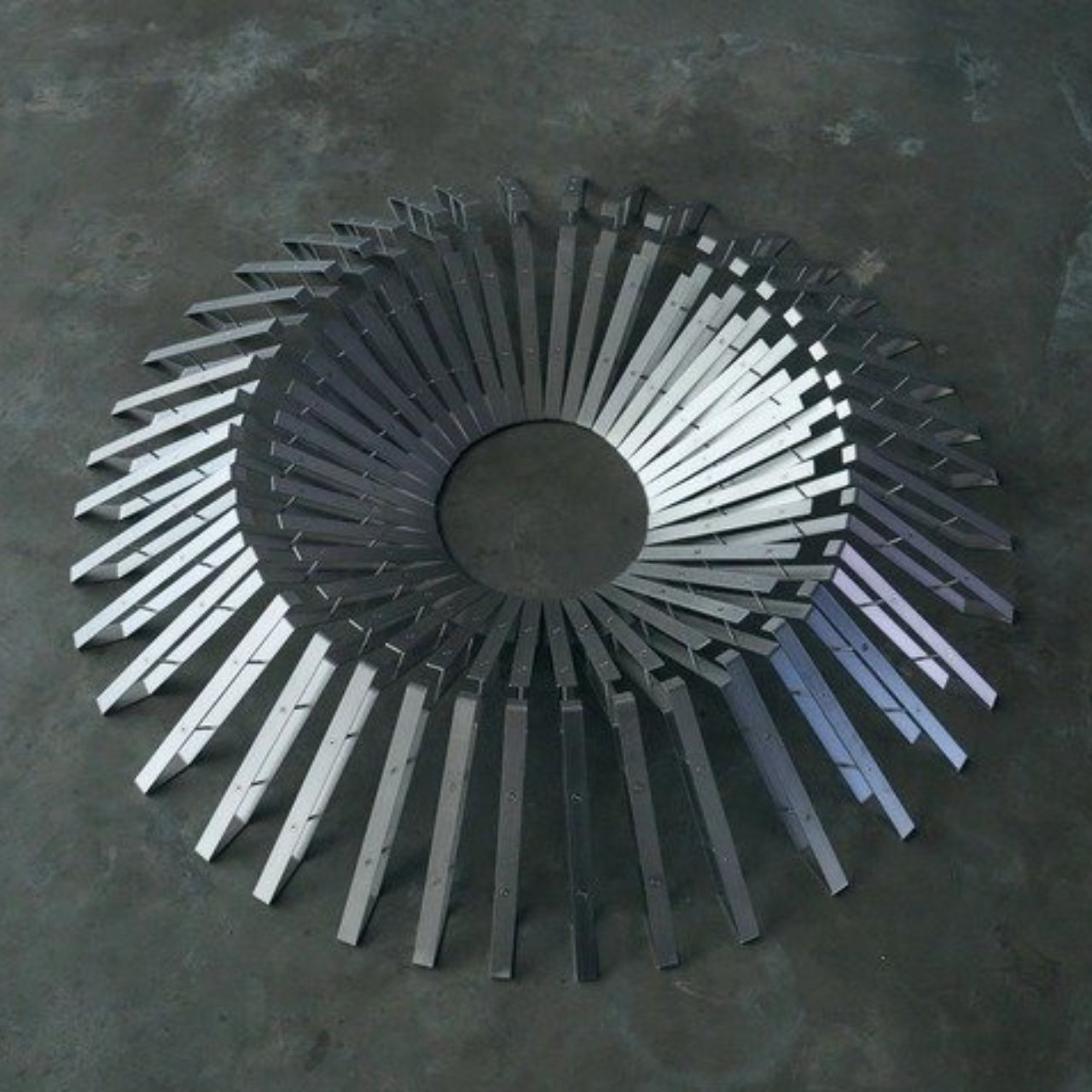
- Steel Coat Rack: Enhances organization and ease of use.
- Concrete Tray: Adds a sturdy and practical design touch.
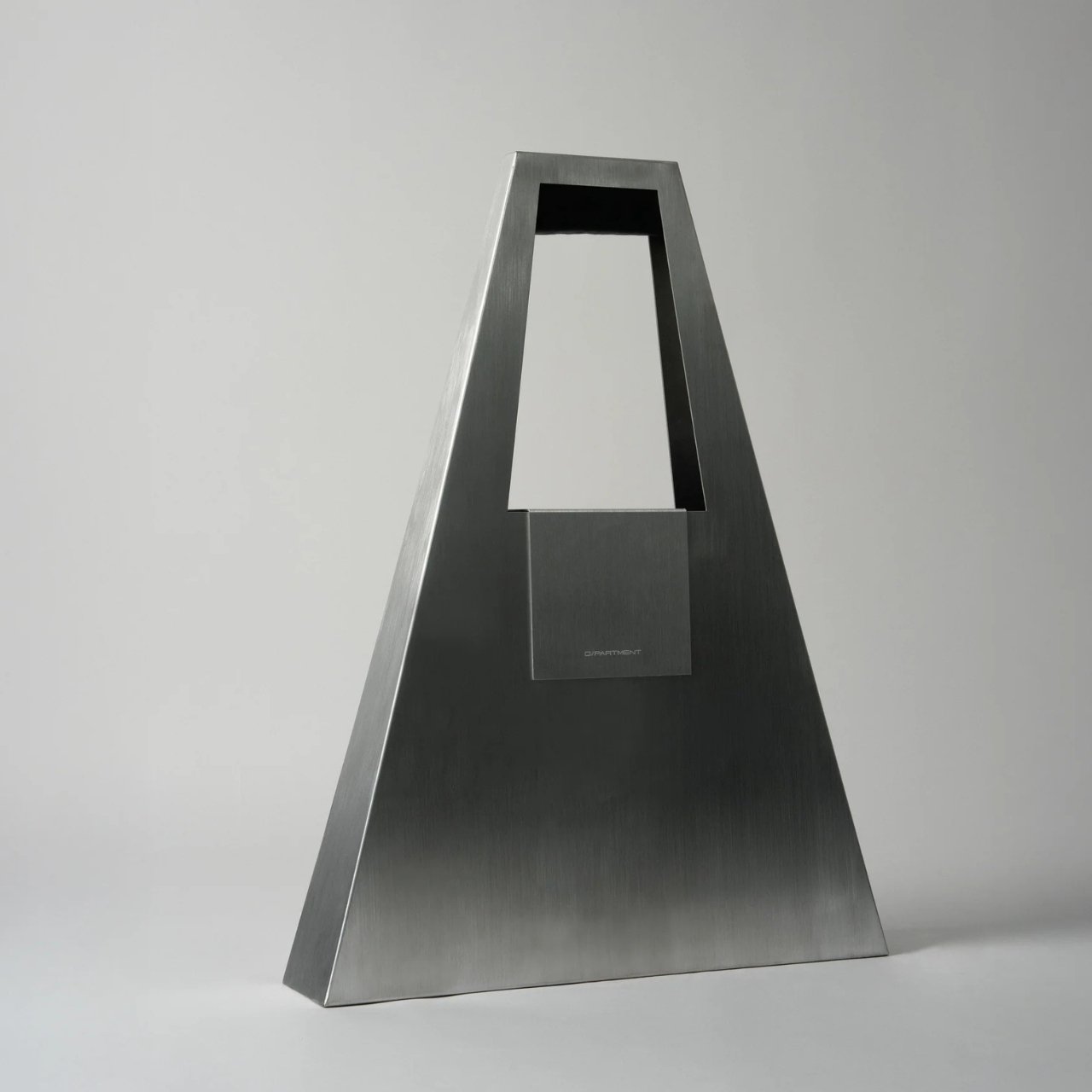
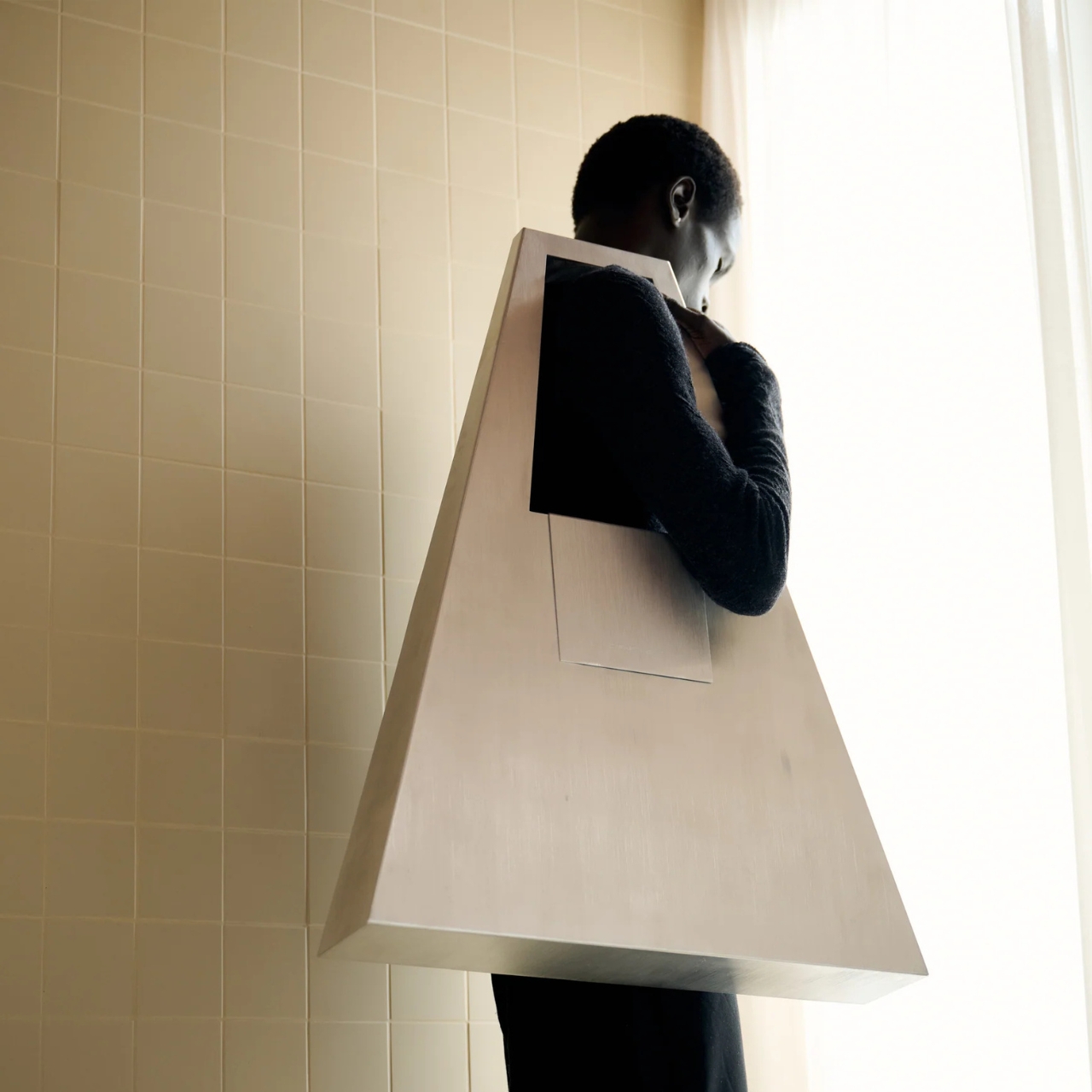
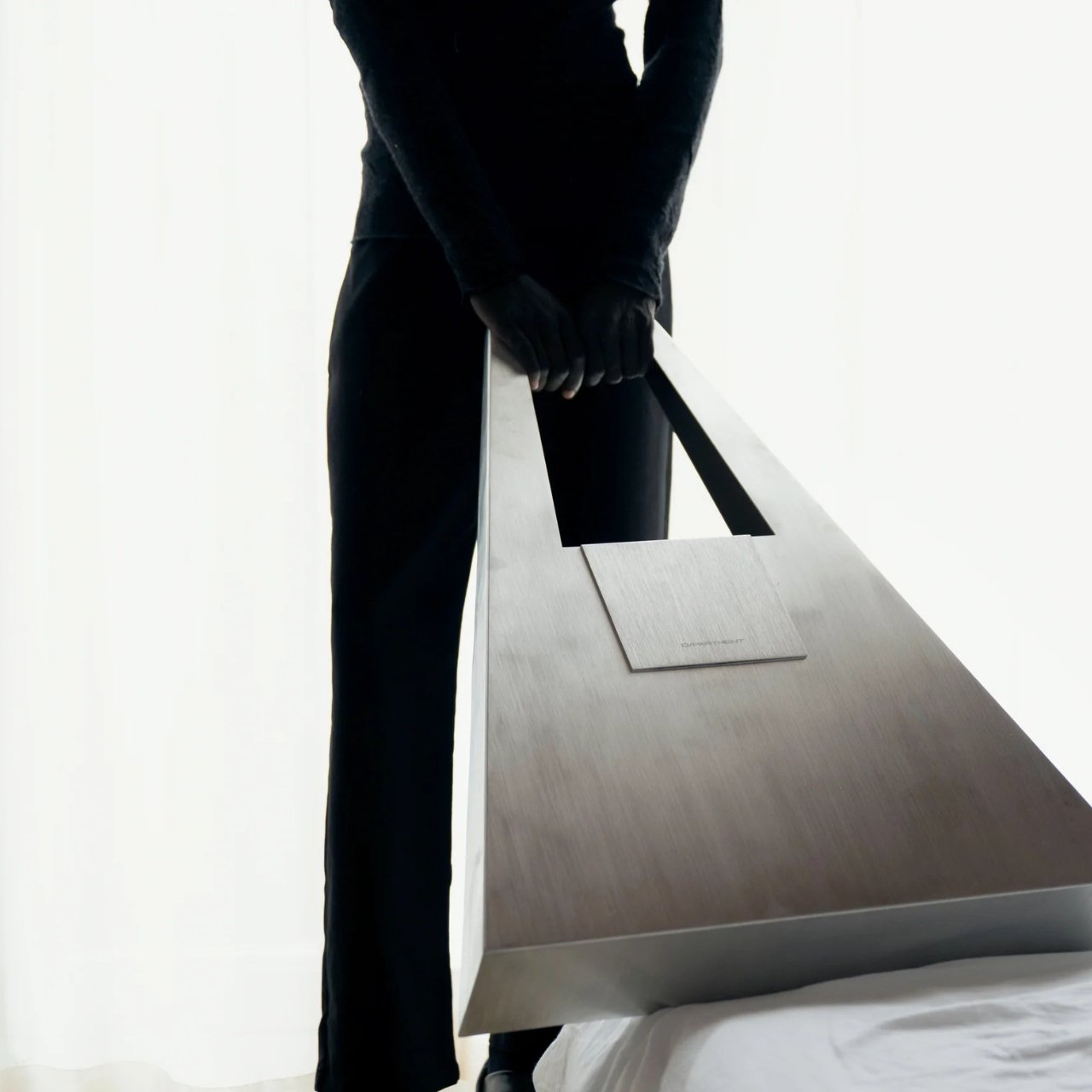
- Metal Bag: Combines visual appeal with everyday functionality.
By using these elements, one can achieve effective organization in daily life while adding a visual charm that makes the space both admired and functional.


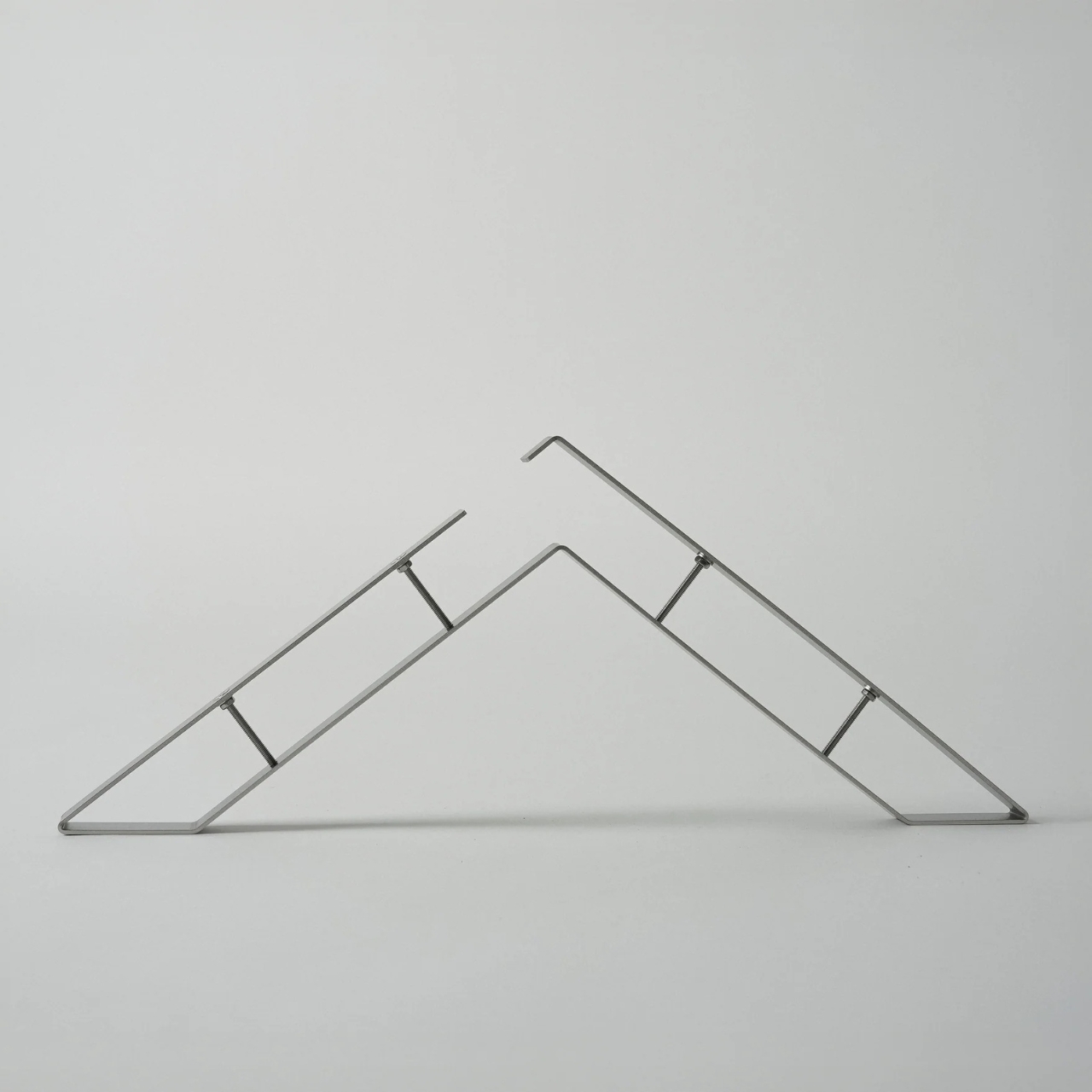
Coat Rack: Merging Durability with Design
The coat rack is crafted from 2mm-thick stainless steel, employing laser-cutting technology and reinforced with screws. This not only provides extra durability but also transforms it from a simple wardrobe accessory into a fully integrated design element.
Practical Design Advantages
Functionally, these racks outperform traditional thin alternatives, preventing clothes from slipping or losing their shape, a common issue with plastic or flimsy hangers. Its robust structure ensures long-term performance, highlighting the importance of carefully considering materials and techniques when designing simple yet essential everyday items.


Concrete Tray: Industrial Strength and Beauty
The concrete tray provides a sturdy surface capable of supporting various weights, making it ideal for holding keys, mail, or small decorative items. Its solid weight helps secure objects safely and minimizes the risk of accidental spills, an important practical aspect for everyday use.
An Industrial Touch in Interior Design
Beyond its functional role, the tray’s raw concrete texture adds a distinctive industrial character to any entryway or tabletop, demonstrating how simple materials can bring personality and aesthetic appeal to daily spaces. This balance between usability and beauty highlights how small elements can be both visually impactful and highly functional.


Metal Bag: Combining Functionality and Durability
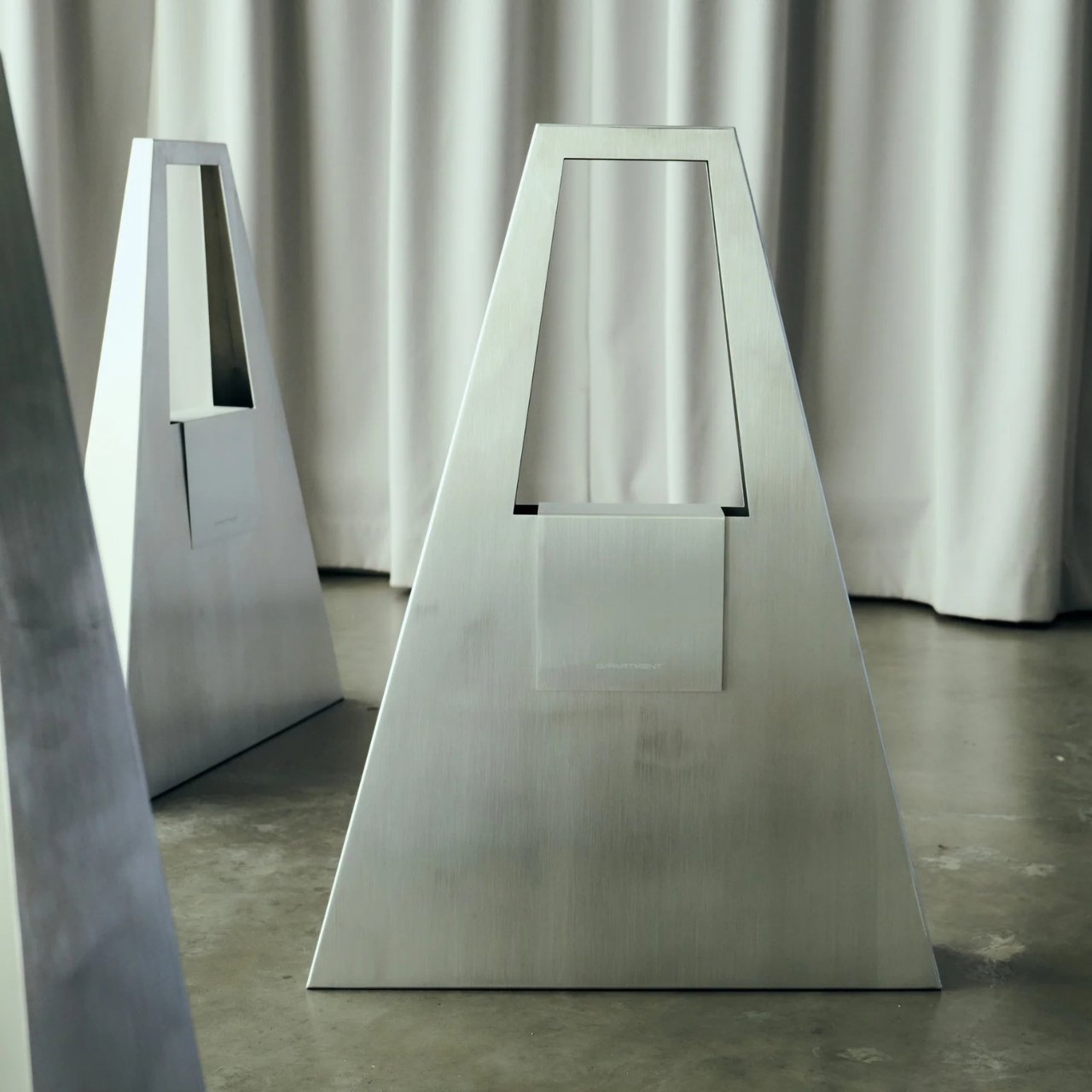
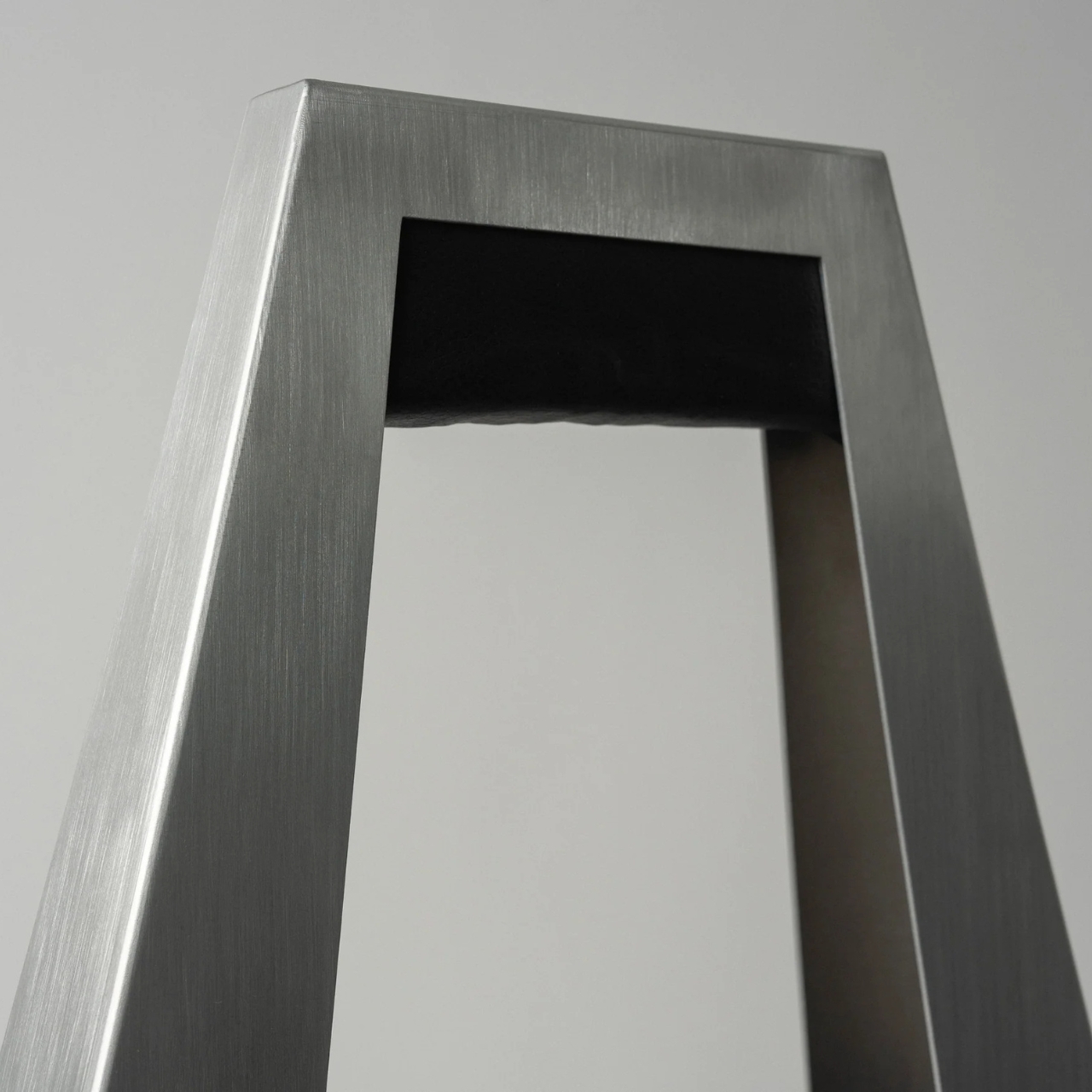
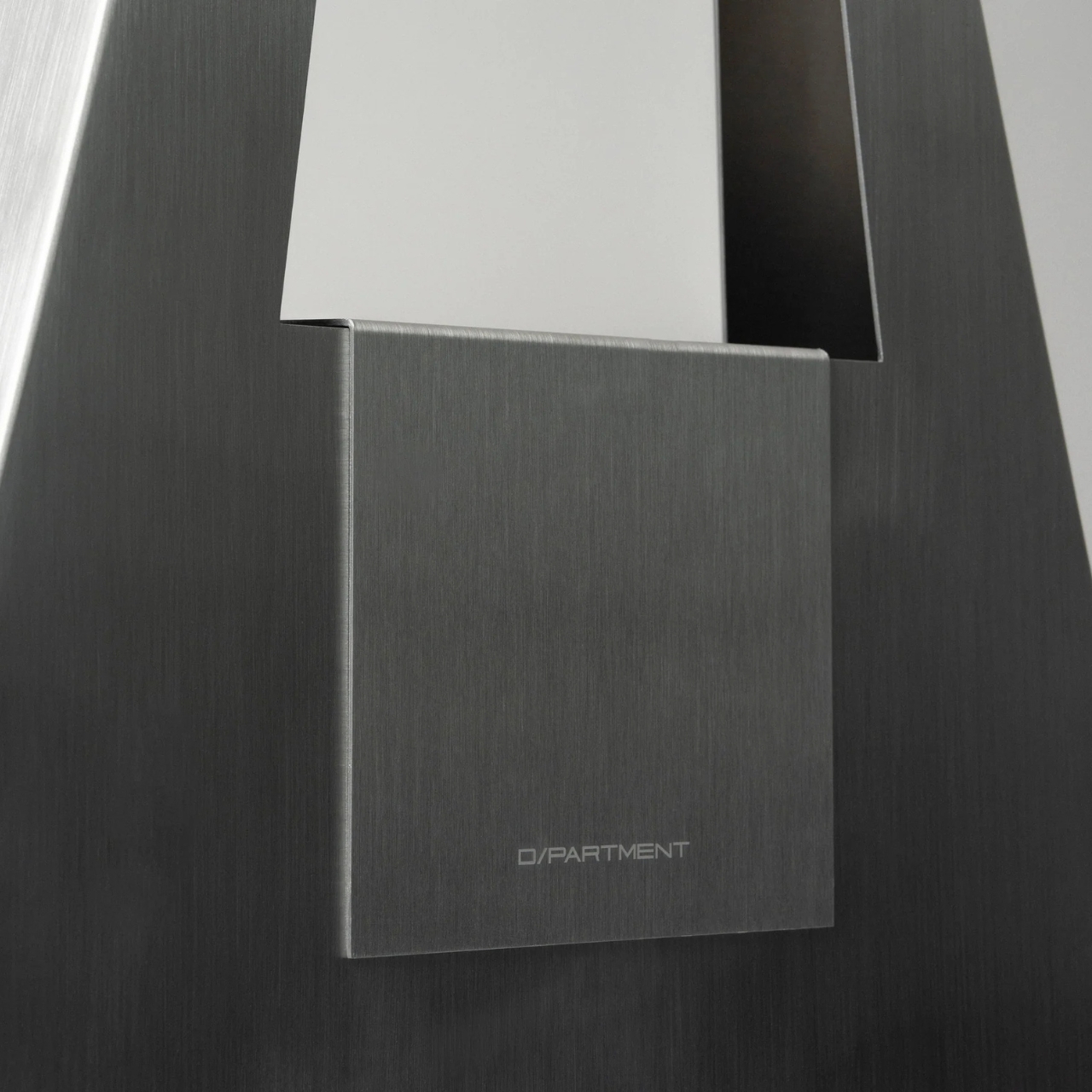
The metal bag serves as a central element of the set, exemplifying the fusion of practicality with industrial elegance. Made from sturdy steel, the bag functions as a portable container for the coat racks, allowing the organizational system to be easily moved between rooms.
Enhanced Protection and Organization
Its reinforced structure safeguards delicate clothing during transport, highlighting the importance of attention to detail in designing practical organizational tools. This combination of durability and protection makes the bag a prime example of how industrial materials can be transformed into items that are both functional and aesthetically appealing.
Design Philosophy: Durability and Timelessness
Beyond materials and practical details, D/Partment’s design philosophy emphasizes durability and longevity. The pieces are not merely everyday tools but a means to transform cluttered spaces into organized, visually appealing environments while maintaining clear functionality.
Materials and Their Long-Term Impact
The studio relies on materials such as stainless steel and concrete, which age gracefully over time rather than deteriorate quickly. This approach encourages users to invest in pieces that evolve with use, reflecting a sustainable design vision that balances beauty with function.
Integrated and Aesthetic System
A cohesive aesthetic links the three items, reinforcing the concept of an “integrated system” that can be mixed, matched, and expanded over time. As a result, the pieces are not just standalone items but parts of a holistic design experience combining visual appeal with everyday practicality.
✦ ArchUp Editorial Insight
On one hand, the design of the D/Partment collection clearly reflects a keen attention to materials and practical aesthetics. The pieces demonstrate the ability to transform simple everyday items into visually organized elements, with industrial touches that add character to interior spaces. Designers and architects can draw inspiration from this approach when considering the integration of function and beauty in small-scale projects or compact spaces, particularly in entryways or exposed storage areas.
However, several considerations should be taken into account when applying such designs on a larger scale. First, the reliance on durable industrial materials like steel and concrete results in relatively high initial costs, which may limit the feasibility of this style in large-scale or public projects. Second, the highly specialized design may not be compatible with all architectural environments; the raw industrial aesthetic may require careful balancing with other elements of the space to avoid visual dissonance. Finally, the focus on individual, detailed elements can sometimes obscure the overall coherence of a space and its fundamental architectural functions, necessitating further thought when integrating such pieces into larger design projects.
Thus, while the collection provides a strong example of attention to detail and high-quality materials, it simultaneously raises questions about scalability and compatibility with diverse architectural contexts, making it more of a source for analysis and constructive critique than a ready-made model for broad application.
Prepared by the ArchUp Editorial Team
Don’t miss the chance to explore more from Architecture in fields like Design and Buildings on the ArchUp website.


