First Chapter of the 18th Istanbul Biennial Opens: Exploring Self and the City’s Architectural Fabric


The first chapter of the 18th Istanbul Biennial has opened. It features contemporary artworks within several historic buildings in Beyoğlu and Karaköy. The biennial creates an experience where art and architecture intersect. It highlights the relationship between the city’s structures and their surrounding urban environment, showcasing the impact of the Istanbul Biennial in this dynamic context.
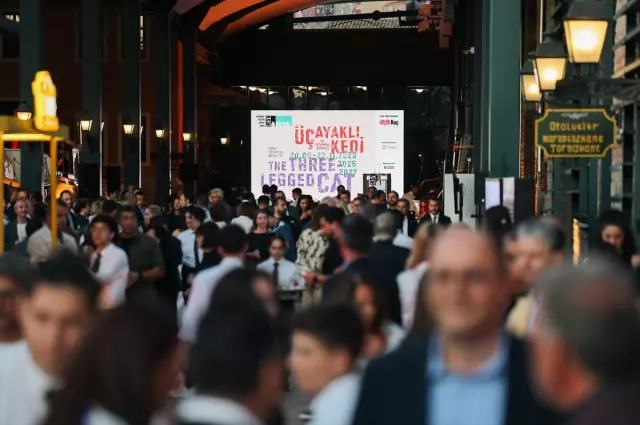
Architectural and Artistic Venues
The biennial spans eight sites, each representing a different layer of Istanbul’s architectural history. These include schools, galleries, and former commercial buildings repurposed for art. Each venue carries a unique architectural identity, from historic landmarks to transformed industrial spaces. This allows artworks to directly engage with the built environment, as curated by the Istanbul Biennial.
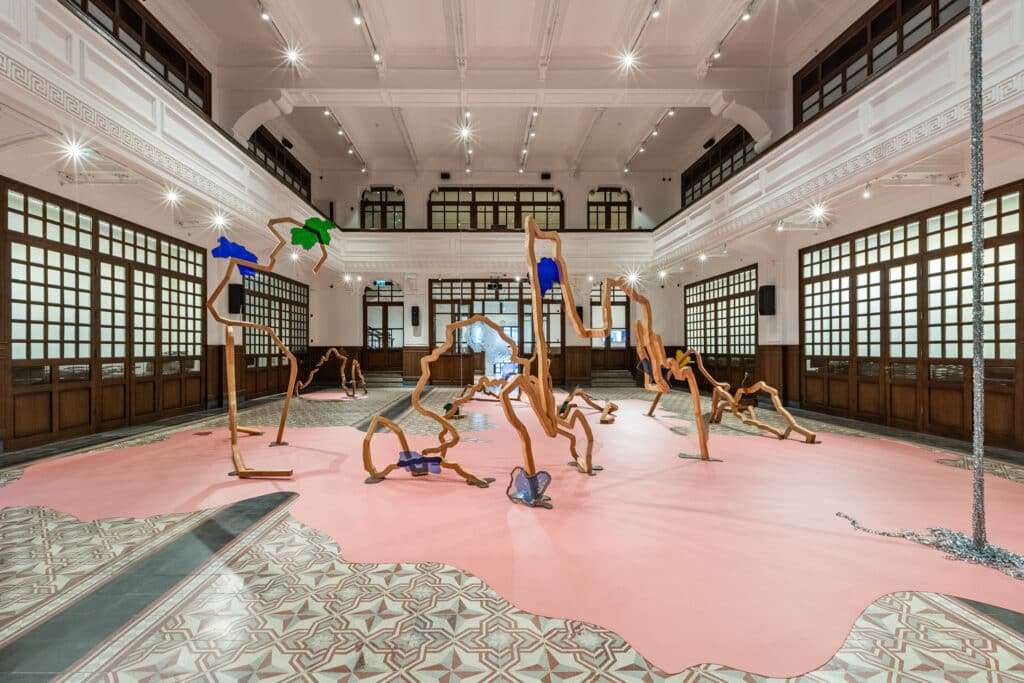
- Galata Greek School: Wide corridors and long galleries provide a backdrop for complex installation works.
- Muradiye Han: A building inspired by the First National Architecture Movement, now hosting artworks that interact with the building’s history and previous functions.
- Galeri 77: A former storage building reflecting the city’s industrial character. It offers a three-dimensional space for works exploring structure, technology, and environment.
- Elhamra Han: One of Istanbul’s earliest theatre halls, adapted for multiple uses while retaining its historic character. It now hosts interactive artworks.
- Garden of the Former French Orphanage: An open outdoor space accommodating large-scale installations that engage with land, plants, and temporary spatial arrangements.
Art and Architectural Interaction
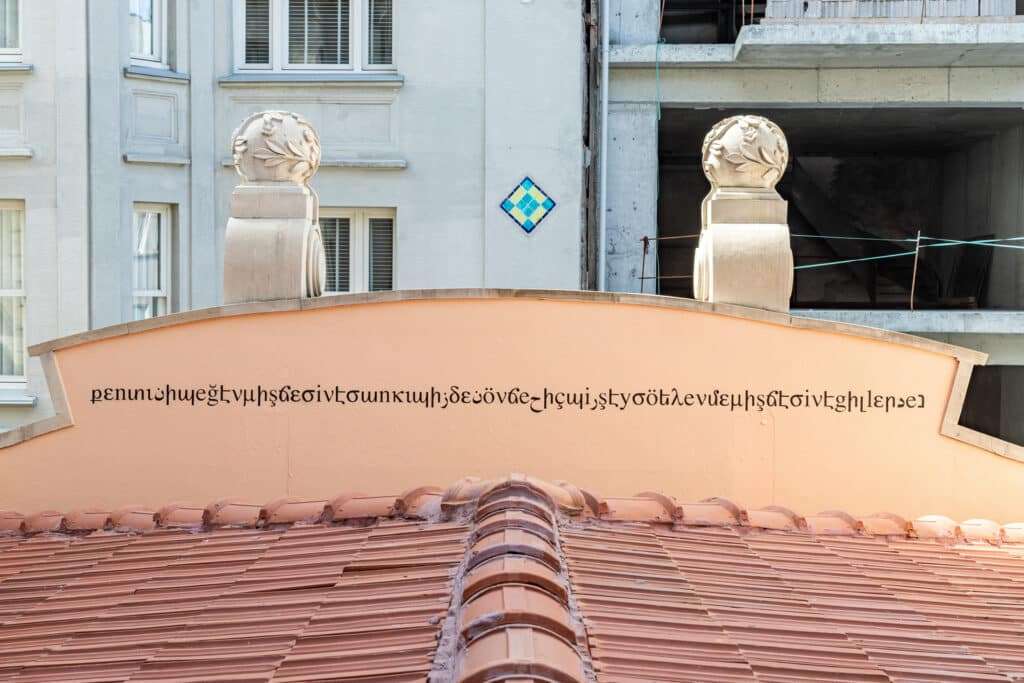
The artworks range from large-scale installations interacting with exterior spaces. These include barrels planted with olive and citrus trees. There are also immersive interior pieces that respond to the buildings’ layouts and visitor movement. Each venue allows artists to explore the boundaries between mobility, permanence, and history, reflecting the creative spirit of the Istanbul Biennial. Architectural elements enhance the meaning of the artworks.
Architecture as a Sensory Experience
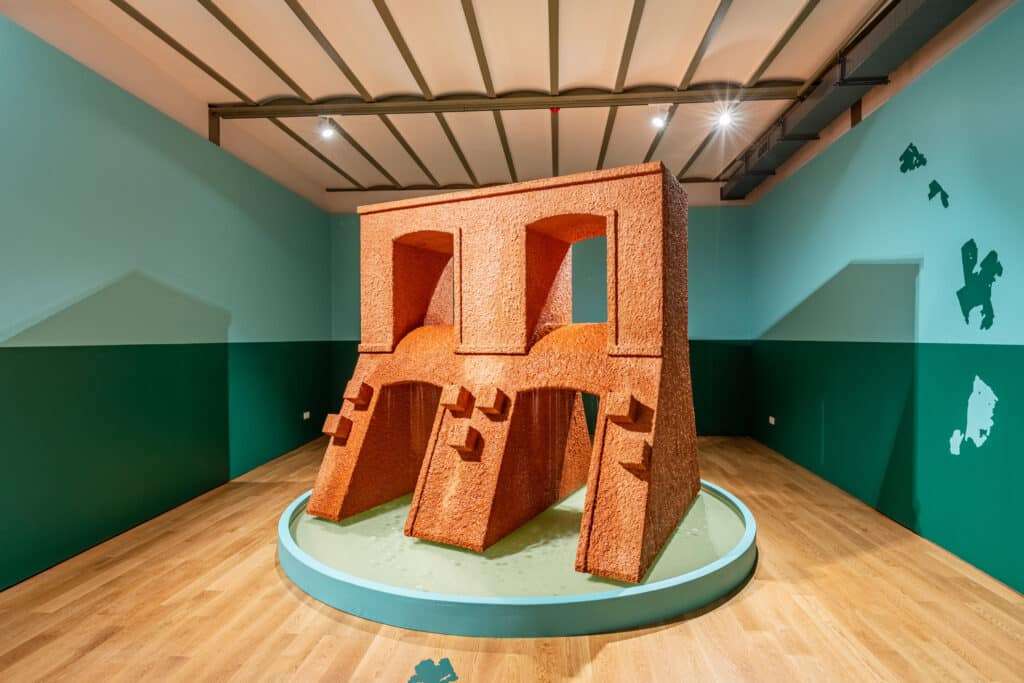
Every venue demonstrates architectural adaptation and creative reuse, where historic structures support contemporary art. Long corridors, open courtyards, and interior halls carry the stories of former uses. They immerse visitors in experiences that reveal the dialogue between human presence, architecture, and the urban environment, enriched by the Istanbul Biennial’s innovative approach.
✦ ArchUp Editorial Insight
The article presents the 18th Istanbul Biennial as a comprehensive architectural experience. Historic buildings engage directly with contemporary installations. Images reveal a variety of materials, from stone and brick to wood and open courtyards. Natural light highlights architectural details and adds visual depth. Yet, while the exhibition creates a strong sensory experience, engagement with the surrounding urban context remains limited. This raises questions about the potential for deeper architectural-city interaction. Nonetheless, the biennial provides a nuanced understanding of the relationship between building and art. It also shows how temporary interventions can reinterpret historic spaces innovatively, as seen throughout the Istanbul Biennial.
Explore the Latest Architecture Exhibitions & Conferences
ArchUp offers daily updates on top global architectural exhibitions, design conferences, and professional art and design forums.
Follow key architecture competitions, check official results, and stay informed through the latest architectural news worldwide.
ArchUp is your encyclopedic hub for discovering events and design-driven opportunities across the globe.