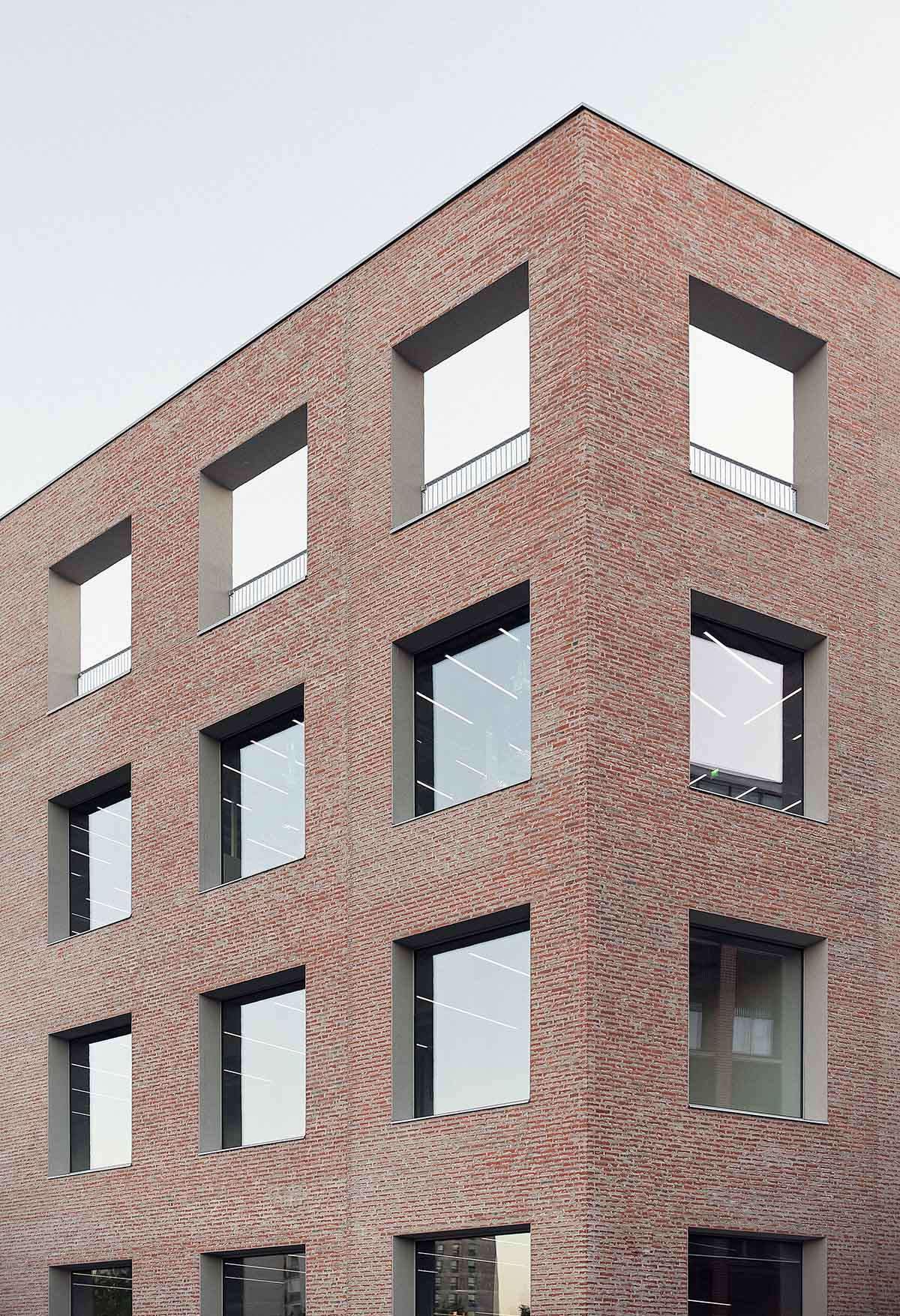
Deep Retrofit Project Secures Second Approval for 1950s London Office Building

A 1950s office block near Blackfriars station in central London has received a second planning approval for a comprehensive deep retrofit. The project aims to transform the aging structure into a modern, energy-efficient workspace while preserving its mid-century character.
Revised Plans Address Previous Concerns
The updated proposal follows earlier feedback from planning authorities. Developers modified the original scheme to better align with local heritage guidelines and sustainability standards. Consequently, the revised design enhances the building’s thermal performance without compromising its architectural integrity.
The deep retrofit approach focuses on upgrading existing structures rather than demolishing and rebuilding. This method significantly reduces carbon emissions associated with construction activities. Moreover, it preserves embodied energy already invested in the original materials.
Key Features of the Overhaul
The transformation will address multiple aspects of the aging office block. Enhanced insulation throughout the envelope will improve energy efficiency dramatically. Meanwhile, modern mechanical systems will replace outdated heating and cooling equipment.
New glazing systems will maximize natural light while minimizing heat loss. The buildings facade will receive careful treatment to maintain its 1950s character. Additionally, upgraded ventilation will ensure improved indoor air quality for occupants.
The project demonstrates growing interest in adaptive reuse within cities across the United Kingdom. Furthermore, it reflects changing attitudes toward existing building materials and historic structures.
Strategic Location Near Transport Hub
The office block’s proximity to Blackfriars station offers significant advantages. The location provides excellent connectivity for future tenants and visitors. Therefore, the deep retrofit makes economic sense for long-term investment.
Central London continues to experience high demand for quality office space. However, urban planning policies increasingly favor renovation over new development. This trend encourages property owners to explore deep retrofit solutions.
Environmental Impact and Future Outlook
The renovation aligns with broader climate goals for the capital. Retrofitting existing structures typically generates 50-75% less carbon than new construction. Consequently, this approach supports London’s net-zero targets.
The project may inspire similar interventions across the city’s aging office stock. Many post-war buildings face similar challenges regarding energy performance. This news highlights viable alternatives to demolition.
Will more property owners embrace deep retrofit strategies to modernize aging commercial real estate while meeting environmental responsibilities?
A Quick Architectural Snapshot
The project involves a comprehensive deep retrofit of a 1950s office building located near Blackfriars station in central London. The scheme prioritizes energy efficiency through enhanced insulation, modern mechanical systems, and upgraded glazing. The renovation preserves the building’s mid-century architectural character while meeting contemporary sustainability standards.
✦ ArchUp Editorial Insight
Post-war office stock across central London now sits at a critical inflection point. Insurance premiums for aging mechanical systems rise annually. Demolition costs have escalated by roughly 40% since 2019. Meanwhile, embodied carbon regulations tighten planning approval pathways for new-build commercial schemes. These three pressures converge into a single predictable outcome: deep retrofit becomes the path of least financial resistance, not necessarily the path of greatest architectural ambition. The decision to retain a 1950s structure near Blackfriars is less about heritage sensitivity and more about navigating a regulatory and economic corridor where demolition carries greater risk than adaptation. When approval frameworks penalize new construction and reward material retention, the built outcome is predetermined before any designer intervenes. The project is the logical product of tightening carbon policy, rising demolition costs, and risk-averse capital seeking compliant returns in central London’s commercial market.