Duplex Typology: Edifício Miró Tower in Minas Gerais


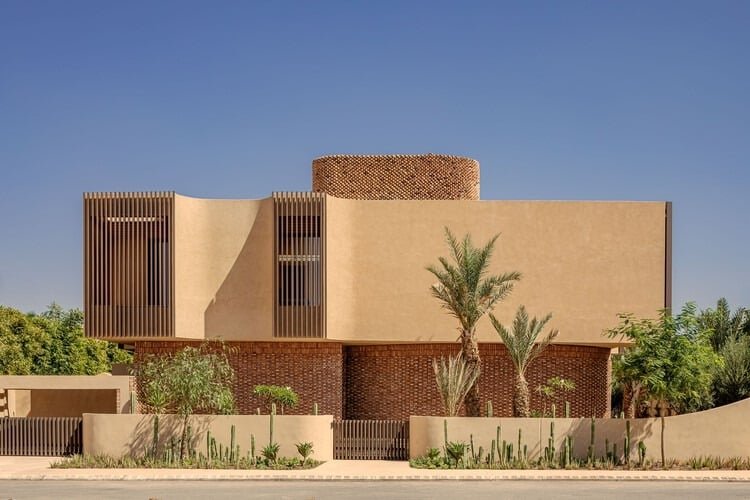
Edifício Miró Tower introduces a duplex typology in the municipality of Buenópolis, Minas Gerais, drawing on rural architectural traditions in response to urban density. Located in the Curimataí district, the project employs a curved façade and internal mezzanines to frame views of Vale do Sereno, rethinking vertical residential space. This approach may serve as inspiration for future developments in Brazil’s interior regions.
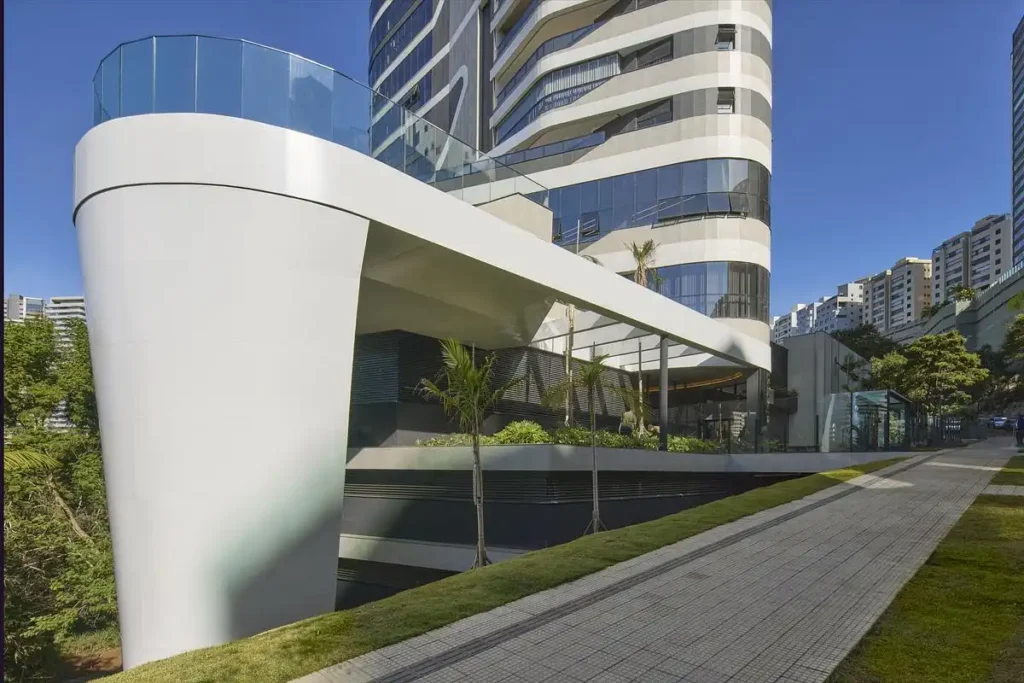
Design Concept Rooted in Regional Memory
Edifício Miró Tower introduces a duplex typology in the municipality of Buenópolis, Minas Gerais, drawing on rural architectural traditions in response to urban density. Located in the Curimataí district, the project employs a curved façade and internal mezzanines to frame views of Vale do Sereno, rethinking vertical residential space. This approach may serve as inspiration for future developments in Brazil’s interior regions.
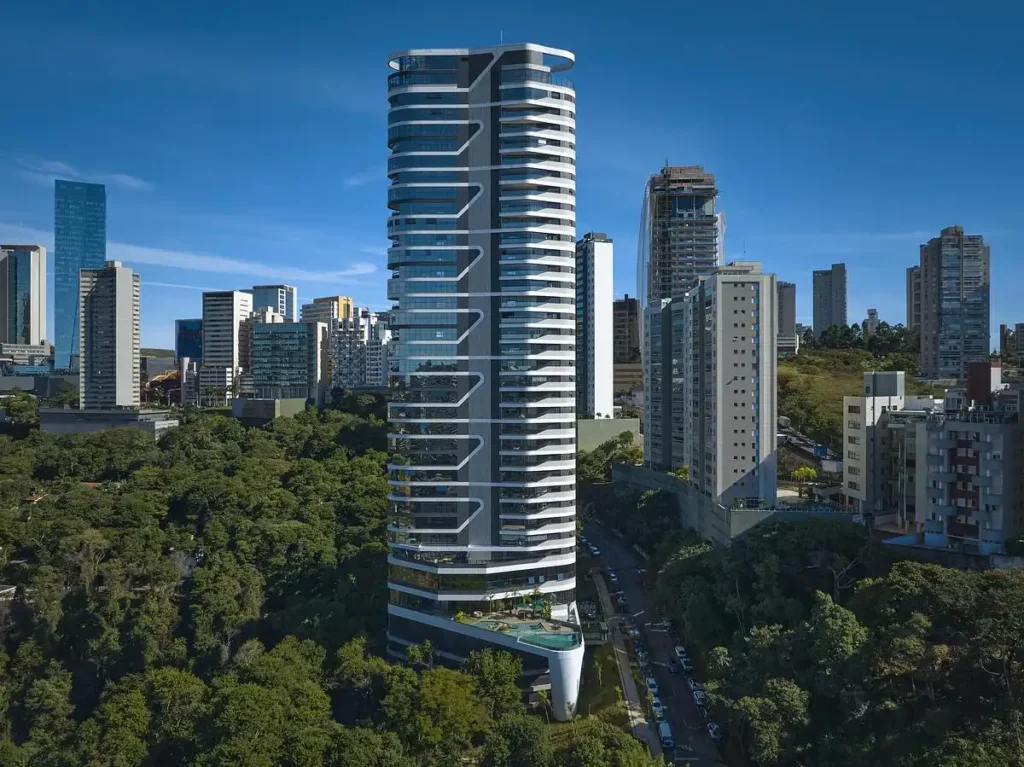
Materials and Structural Rationality
The structure uses reinforced concrete frames with large glass panels. These maximize daylight and views while maintaining efficiency. Core drilling and service integration were carefully managed during construction. This avoided compromising load-bearing elements a common issue in complex residential buildings. The curved façade required precise formwork. It shows how building materials like concrete serve both function and form . Proportion, light, and spatial rhythm define the building’s character within Minas Gerais’ urban growth.
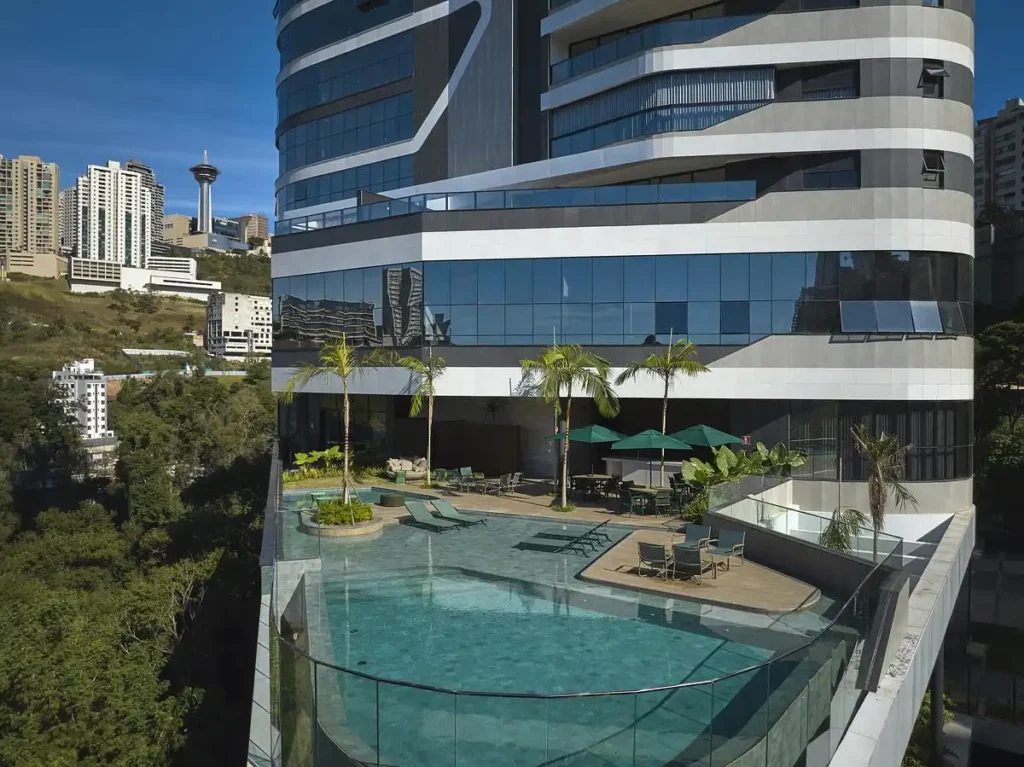
Landscape Integration Over Ornamental Sustainability
The project lacks formal green certifications. Yet its orientation and natural ventilation reduce reliance on artificial climate control. Units minimize solar heat gain while encouraging cross-breezes. This passive strategy aligns with regional practices more than imported sustainability metrics. The small ground footprint preserves the terrain. This maintains visual and ecological continuity with the surroundings. Such restraint contrasts with large developments covered in cities reporting.
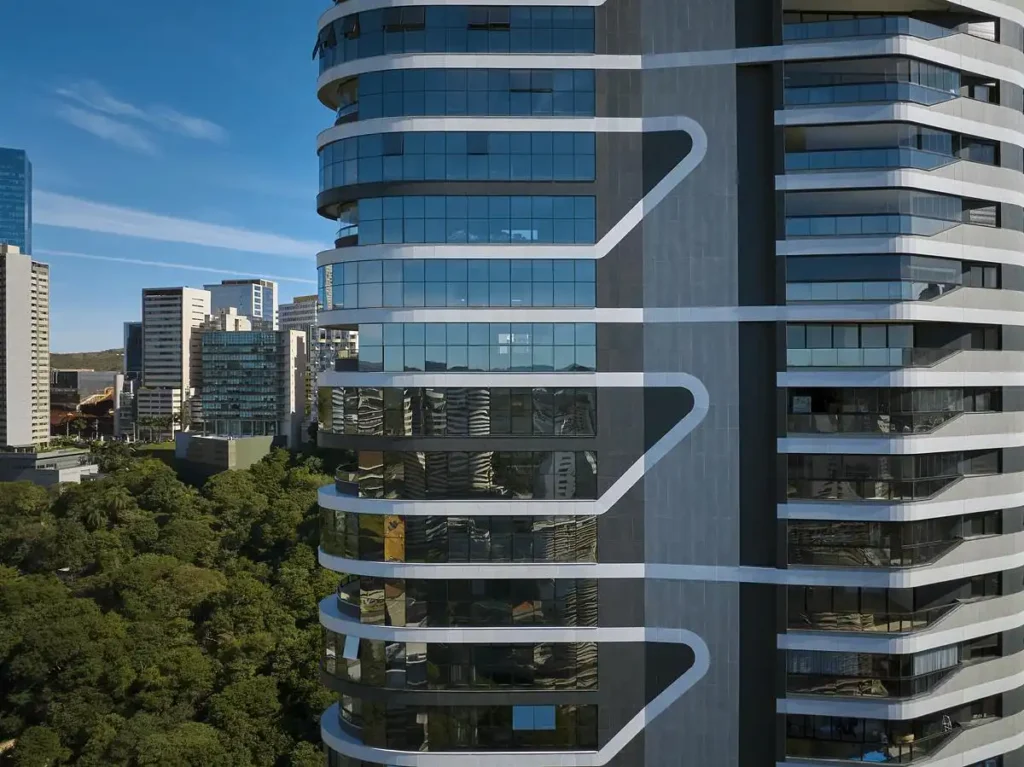
Urban Impact and Regional Precedent
Buenópolis is experiencing gradual urban expansion. The tower offers a locally rooted alternative to coastal housing models. It questions the need for flat, repetitive units in mid rise buildings. According to the architect, spatial generosity can coexist with density. This works best when guided by terrain and memory. The project includes no communal facilities beyond standard amenities. Still, its formal departure may inspire similar experiments. Those interested can explore related design competition briefs challenging housing norms. As Minas Gerais urbanizes, a key question emerges: can vertical living retain rural domestic qualities without becoming exclusive?
The tower was completed in December 2025. No demolition or expansion plans have been announced. Studio Henrique Hoffman says lessons from Miró inform new regional proposals. Readers can follow updates via news. Related analysis appears in the editorial section. Technical studies on vertical typologies are available in research. Professionals can track opportunities on the jobs portal. Enthusiasts may discover related installations at global events.
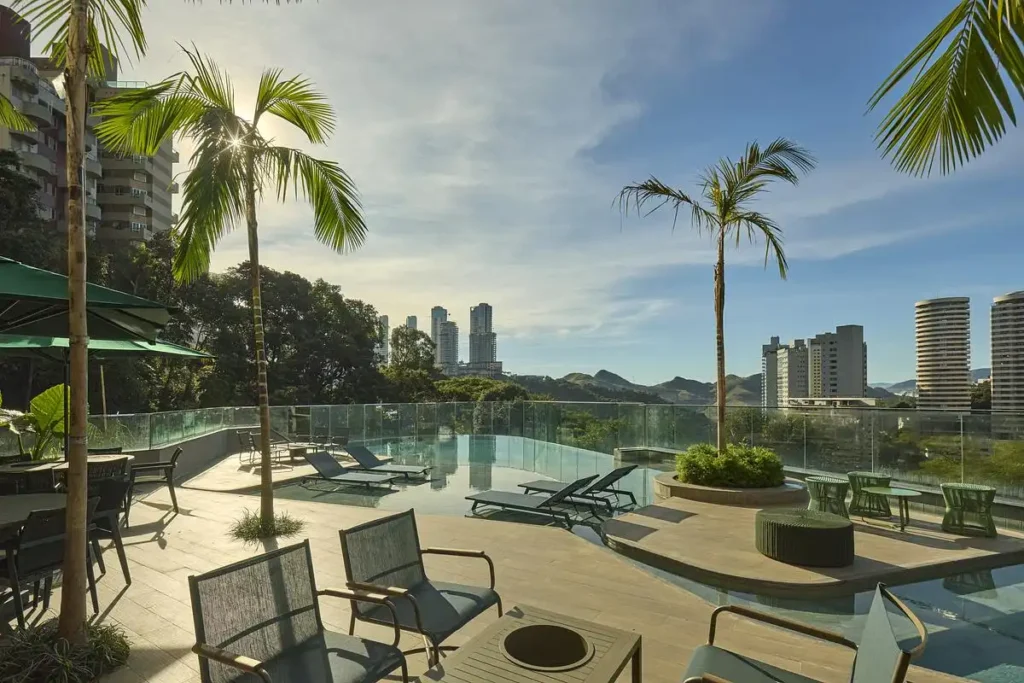
Architectural Snapshot: A 12 story residential tower in Minas Gerais featuring duplex units with internal mezzanines, a curved façade oriented toward Vale do Sereno, and spatial strategies drawn from regional vernacular traditions.
ArchUp Editorial Insight
Edifício Miró Tower translates rural spatial nostalgia into a vertical residential format, embedding Minas Gerais’ architectural memory within duplex units and curved glazing. The narrative leans heavily on childhood recollection rather than socio-spatial analysis, risking aestheticization over accessibility. While its orientation to Vale do Sereno demonstrates genuine terrain response, the project avoids addressing density’s social dimensions. One merit lies in its formal restraint eschewing ornament for spatial clarity centered on the duplex typology. Whether this typology evolves beyond premium housing or fades as regional branding remains an open question.