

ESCA Playa Project: Rethinking the Relationship Between Architecture and the Coastal Environment

ESCA Playa Project: Architecture in Dialogue with the Environment
The ESCA Playa project is viewed as an architectural entity shaped through continuous interaction with its surrounding environment. It is not merely a building on the beach but an architectural experience emerging from natural forces themselves, such as wind, light, and tidal movements, making these elements an integral part of the site’s formation.
The Relationship Between Land and Sea
The project is situated in a transitional zone between land and sea, making it part of the natural landscape rather than a separate element. This architectural structure grows from its surroundings, reflecting a design philosophy that goes beyond conventional construction, allowing the space to extend organically from the coastline itself.
Inspiration from Nature and Biomorphism
The spatial identity of the project is grounded in principles of biomorphism, nature, and growth, translating environmental logic into precise and harmonious built forms. This approach ensures that every element of the project has both a functional and aesthetic purpose, creating a sensory experience for visitors that responds to surrounding natural changes.


Nature-Inspired Architectural Envelope
Drawing inspiration from the structures of seashells, suspended curves, and sedimentary formations, the ESCA Playa project presents a model of a continuous architectural envelope shaped according to principles of natural composition. This approach reflects the ability of architecture to emulate environmental processes, giving the building an organic character fully integrated with its surroundings.
Interaction with Environmental Factors
The envelope is designed as a unified, porous shell that responds to various environmental pressures. For instance, its thickness increases in areas requiring shade and structural support, while opening up in other zones to allow light penetration and enhance ventilation. This dynamic design ensures that the building continuously adapts to environmental changes, making each part responsive to the needs of the place and time.

Integrated Structural Continuity
This approach is based on creating structural continuity, where walls, ceilings, and openings operate as a single, unified system. Rather than being dictated solely by design intent, these elements are shaped by surrounding natural forces, giving the space an organic character that is deeply connected to its environmental context.
The Building as a Product of Temporal Evolution
The final result appears as if the building has been sculpted and gradually formed over time. Viewers perceive the structure as having undergone years of natural erosion and change before being inhabited, reflecting the concept of seamlessly integrating architecture with ongoing natural processes, and adding a layer of sensory realism to the spatial experience.

Seamless Connection Between Interior and Exterior
The building’s interior spaces are linked to the external environment through subtle gradations in spatial enclosure. These gradations give the architecture a dynamic character, where the interior is not isolated from the exterior but forms part of a continuous experience with its natural surroundings.
Variable Spatial Sequence
Carved voids, filtered openings, and shifting projections contribute to creating a spatial sequence that evolves with visitor movement. As visitors navigate the project, they experience tangible changes in space size, temperature, and lighting, enhancing the sense of immersion and making each experience unique and connected to the surrounding environment.


Light and Shadow as Design Elements
Natural light scatters across textured surfaces throughout the day, adding layers of depth and tactility to interior spaces. As the sun lowers, this lighting transforms into deeper shadows, creating a continuous shift in the overall atmosphere and providing a changing sensory experience over time.
Movement as a Compositional Element
Visitor movement within the project is considered an integral part of its architectural composition. Carefully designed pathways guide users naturally, blurring the boundaries between built and natural spaces, enhancing the sense of immersion in the surroundings, and turning each visit into an ongoing exploratory experience.

Materiality as a Constituent of Architectural Identity
Materials play a central role in shaping the architectural character of the ESCA Playa project. Metallic plasters, coral aggregates, and textured surfaces are not merely aesthetic details; they reflect the logic of the surrounding coastline and transform materials into an architectural language that emulates the natural environment.
Harmony with the Environment
Each surface maintains a tangible connection to natural processes, reinforcing the impression that the building is not a separate element from the beach but an organic extension of the environment itself. Furthermore, the design allows controlled airflow, enabling the building to “breathe” and adapt to changing climatic conditions along the coast, emphasizing the seamless integration of architecture and nature in the user experience.

Architecture as a Living System
The ESCA Playa project functions as a living system that interacts directly with its surrounding environment. Its structure is shaped by natural forces, while its spaces respond to changes in light and wind, making each part of the project a dynamic outcome of its natural context.
Material Harmony with the Natural Context
The material expression of the building aligns with the defining shoreline, reflecting a design philosophy where architecture grows from its context rather than imposing an external form. This approach creates an integrated sensory and spatial experience, where every element of the building becomes a natural extension of its surroundings.
User Experience and Integration with Nature
Within this framework, everyday activities, such as dining, transform into direct encounters with the landscape, making the building a conduit that brings users closer to nature rather than acting as a barrier. Thus, the project’s philosophy is realized in a tangible experience fully aligned with the logic of nature.

✦ ArchUp Editorial Insight
The ESCA Playa project can be considered an important architectural experiment in studying the relationship between a building and its coastal environment. On the positive side, the project demonstrates a clear commitment to interacting with natural forces and employing materials in a way that reflects the logic of the environmental context, providing a valuable model for examining the integration of architecture and nature.
However, certain reservations arise due to the heavy reliance on nature in shaping spaces and architecture. The project may face practical challenges in daily use, such as adapting to extreme climatic conditions or maintaining porous materials prone to erosion. Additionally, the strong emphasis on sensory experience might limit the flexibility of spaces to accommodate multiple or evolving functions over time.
From an architectural perspective, the project offers a learning opportunity for designing buildings responsive to their environmental context. At the same time, it highlights the limitations of an approach primarily dependent on natural forces, encouraging consideration of integrating flexible elements and greater practical sustainability when applying these principles in similar projects.



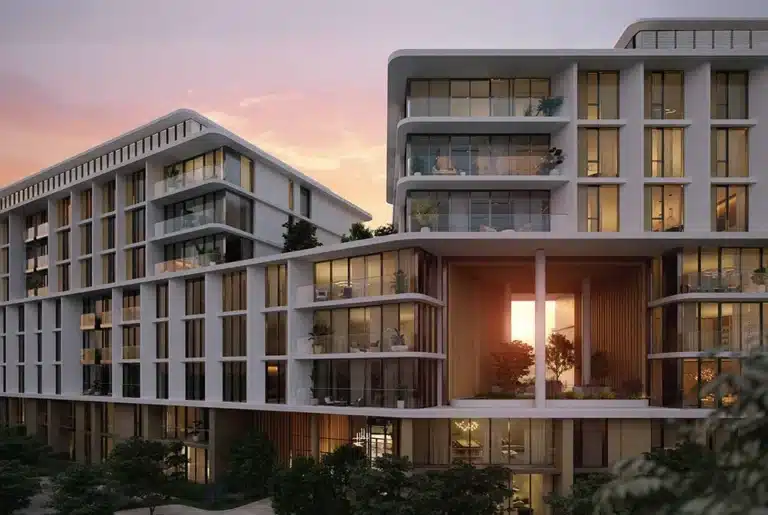

🟥 Editor’s Architectural Critique:
Although this project is built, it still reads primarily as a formal and visual exercise rather than a resolved architectural work. The emphasis on sculptural geometry and photographic impact suggests a design driven by image-making and PR narratives more than by material intelligence or environmental logic. The forms feel as if they originated from digital modeling workflows, yet the translation into built reality raises critical questions that remain unanswered.
What matters architecturally is not addressed with sufficient rigor: how do these materials perform against the coastal environment? Issues of salt exposure, humidity, wind loads, long-term durability, and structural resilience are largely absent from the discussion. The claimed dialogue between interior and exterior also feels overstated, as the environmental mediation between the two is neither technically explained nor convincingly demonstrated.
In its current reading, the project delivers a visually striking moment, but as architecture, it feels ordinary. Without a deeper examination of structure, material behavior, and climatic resistance, the work remains closer to a constructed image than a robust architectural response to its setting.