Casa Yuma: TAAC and Sara Skalli’s Seaside Boutique Hotel in Mexico

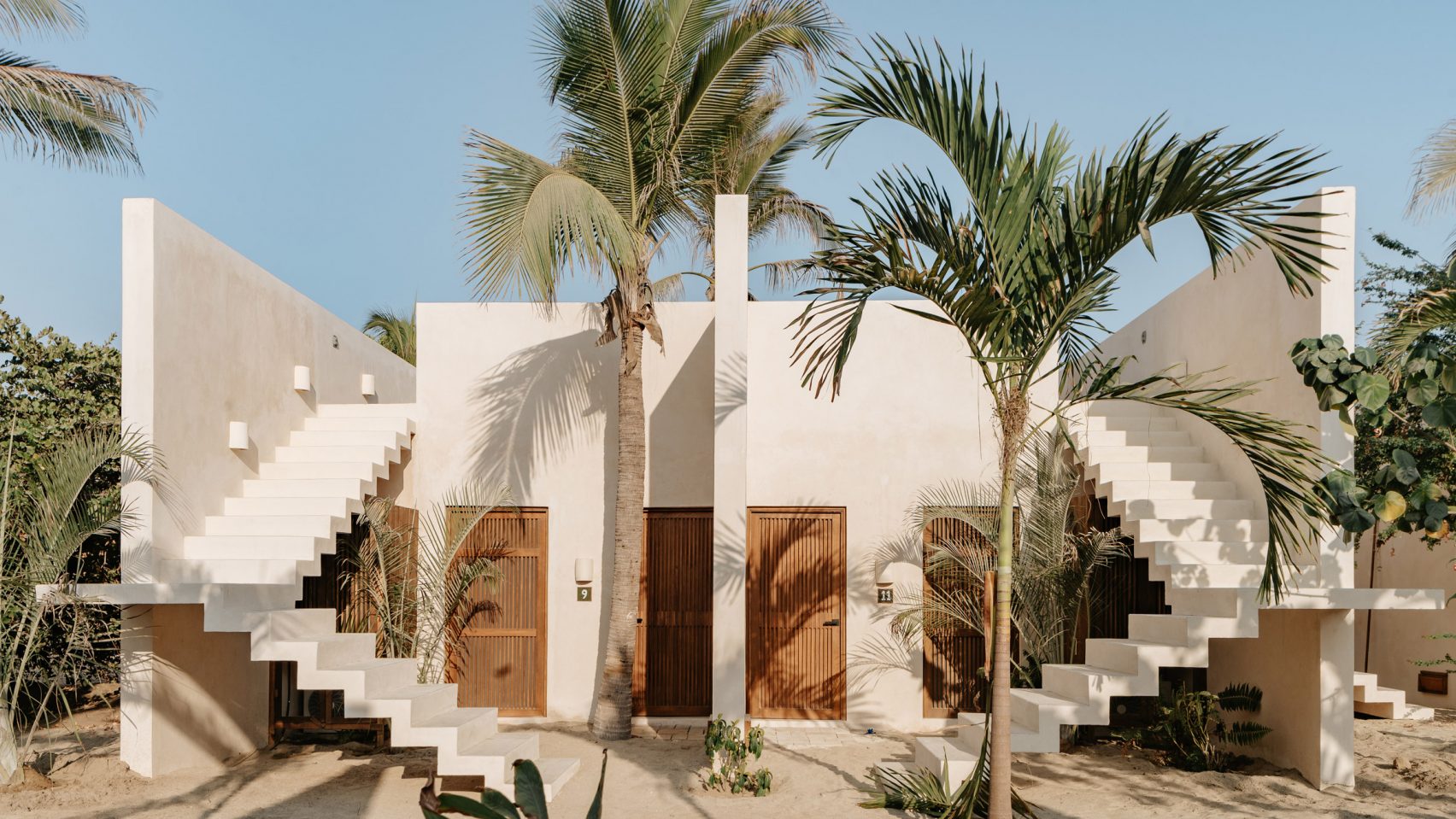
Architecture studio TAAC and interior designer Sara Skalli have collaborated to create Casa Yuma, a boutique hotel located on Playa Los Naranjos near Puerto Escondido on Mexico’s Pacific coast. The hotel, which offers 25 guest suites, combines traditional and local materials, including the indigenous chukum finish, to craft an ambiance that is both organic and sustainable.
Design Approach and Material Palette
Skalli and project architect Ricardo de la Concha of TAAC emphasized using materials native to the region. Central to their design is chukum, a water-resistant plaster-like material derived from the resin of chukum trees and limestone-based stucco. This material, often characterized by a strong red tone, presents a pale concrete-like grey in Casa Yuma, enhancing the hotel’s organic aesthetic. The design also features “salmon pink” adobe bricks from Puebla, forming decorative screen walls, and macuil wood, which is used for furniture and joinery.
“Creating an environment where elegance harmoniously blends with the surrounding nature while reflecting the warmth and authenticity of this unique land,” said Skalli, describing the intention behind the use of these materials.


Architectural and Interior Features
The hotel’s layout features single-storey buildings with zigzagging staircases leading to rooftop patios. A traditional palapa with a palm leaf roof serves as the reception area, guiding guests through bedroom suites to beachfront amenities. The beachfront facilities include an open-air restaurant, a beach bar, a co-working lounge, a swimming pool, a sunken firepit area, and a spa cabin.
“The layout of the elements is based on a linear axis with a direct path from the entrance to the beach, passing through the rooms to reach a pool facing the sea,” said De la Concha.
The interior design aligns with the architectural ethos, featuring craft objects and textiles sourced from local makers, such as handmade wall tiles, woven rugs, minimal nightstands, and striped bedspreads.
“Most of the decorative elements come from incredibly talented local artisans and underscore our commitment to preserving regional culture,” added Skalli.


Atmosphere and Guest Experience
Casa Yuma aims to provide guests with an experience that combines comfort with a constant connection to the beach, embodying the concept of a “barefoot hotel.” This approach ensures that guests feel at home in every part of the hotel while retaining the distinct character of each room.
“We want to create a unique atmosphere so that guests feel comfortable in every corner of the hotel and feel like they have found a second home,” stated co-owner Tim de Belloy.
Casa Yuma’s design, combining traditional materials and local craftsmanship, offers a unique blend of elegance, comfort, and a deep connection to the natural and cultural environment of Mexico’s Pacific coast.
Finally, find out more on ArchUp: