Maritime City
1 October، 2025 @ 8:00 am - 31 December، 2026 @ 5:00 pm
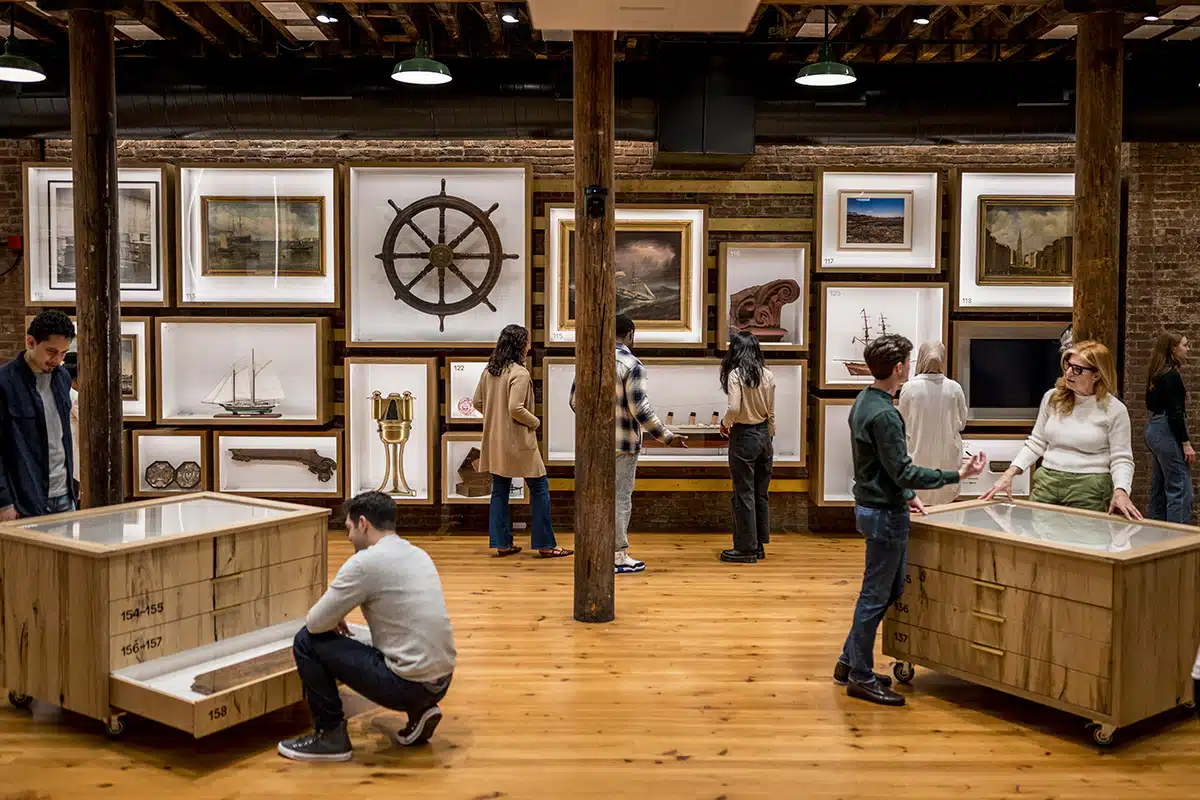
The exhibition Maritime City opens on the 1st of October in 2025 at the historic A. A. Thomson and Co. building, which is a part of the South Street Seaport Museum in NYC, and stays until the 31st of December in 2026. The exhibition showcases New York’s maritime roots and its global cultural and financial center, where the seaport was the main thing that connected the city’s identity to the world. The exhibition spreads through three floors and collects over five hundred objects from the museum’s archives and collections that have been very carefully chosen to show the city’s journey from a port to a metropolis.
The exhibition takes place in a cast iron and stone warehouse that has been restored, which was originally built in 1868. The architecture becomes part of the narrative, representing the city turning to the cultural side and preserving the historical site. Visitors learn how ships, shipping lines, port workers, immigrants, waterfront industries, and the built environment together made New York a world city.
Event Overview
The exposition traces the development of New York waterways and the people who provided the labor associated with them. The items on display help reconstruct the circumstances of seagoing lives, the character of waterfront businesses, and the coping strategies of newly arrived immigrants. The exhibition narrates the story of the entire New York area, encompassing the five boroughs, Long Island, and the lower Hudson Valley region. It uses ship parts, tools, personal items, and archival photographs to tell us a layered story of how the seaport influenced the design of buildings, development of infrastructure, and lifestyles of the people. The preserved structure of the building reinforces the relationship between maritime industry and the urban fabric, thus allowing the exhibition to integrate history and space into one experience.
Architectural Analysis
Maritime City’s design maintains the warehouse structure as a main storylineof the narrative. The vertical layout of the building has created a journey that mirrors the different aspects of maritime history. The visitors started at dock level and then traveled through the storage and office areas, which was the city growing through architecture. The curators kept the original stone walls, iron columns, and timber beams by showcasing them, which not only emphasized but also material honesty and authenticity. These features not only express the industrial atmosphere of the space but also literally connect with the stories told by the artifacts.
The site of the Seaport district is a big factor that adds to the meaning of the exhibition since it is located in one of the oldest preserved waterfront places in the city. One cannot help but think whether the exhibition is too much on the past and not sufficiently on the present, and the issues of waterfront resilience, climate adaptation, and public access are among the most important ones. However, the design has already illustrated the interrelation of maritime labor, architecture, and urban evolution, thus turning the building itself into a storyteller.
Project Importance
Maritime City is an illuminative experience for architects and designers, revealing the influences of material culture and industry on urban developments. It suggests that the design of buildings is not only about the architects’ creative intentions but also about the economic systems, labor, and infrastructural considerations. The show educates the audience that urban places are dynamic archives of the past related to production and trade, where the built environment functions as both a witness and a participant. From a typological perspective, it points out how the industrial buildings could retain their character while occupying new cultural roles through the process of adaptation. In the present-day scenario of rising sea levels and changing waterfront economies, the exhibition reminds us that heritage and sustainability are intimately connected; thus, it is still impactful. It opens the eyes of the designers to look at the past as a source of strength for the new urban futures that are resilient and meaningful rather than as nostalgia.
✦ ArchUp Editorial Insight
Maritime City effectively connects architecture, industry, and history, showing how New York’s identity was formed by its relationship to the sea. The exhibition design uses the physical qualities of the warehouse to create a direct dialogue between space and content. A constructive question remains about whether the show could address current waterfront issues more directly. Yet it offers a strong example of how heritage architecture can serve education and reflection, revealing how the past continues to shape the imagination of urban design.
Conclusion
Maritime City is an exhibition as well as an architectural experience. With the help of artifacts, restored industrial space, and curatorial storytelling, it shows how architecture remembers the past in terms of work, trade, and transformation. The exhibition invites the audience to interpret the city as a result of movement and exchange, constructed by both hard labor and creative adaptation. For architects, it supports the notion that buildings and materials are not inactive remnants but rather active witnesses to the changes in culture and environment. Maritime City is a considered model for the connectivity of history, design, and heritage that can become a source of inspiration for the future of cities that are influenced by water, industry, and imagination.
Explore the Latest Architecture Exhibitions & Conferences
ArchUp offers daily updates on top global architectural exhibitions, design conferences, and professional art and design forums. Follow key architecture competitions, check official results, and stay informed through the latest architectural news worldwide. ArchUp is your encyclopedic hub for discovering events and design-driven opportunities across the globe.
Brought to you by the ArchUp Editorial Team
Inspiration starts here. Dive deeper into architecture, interior design, research, cities, design, and cutting-edge projects on ArchUp.