

The Many Lives of the Nakagin Capsule Tower
15 July، 2025 @ 8:00 am - 12 July، 2026 @ 5:00 pm
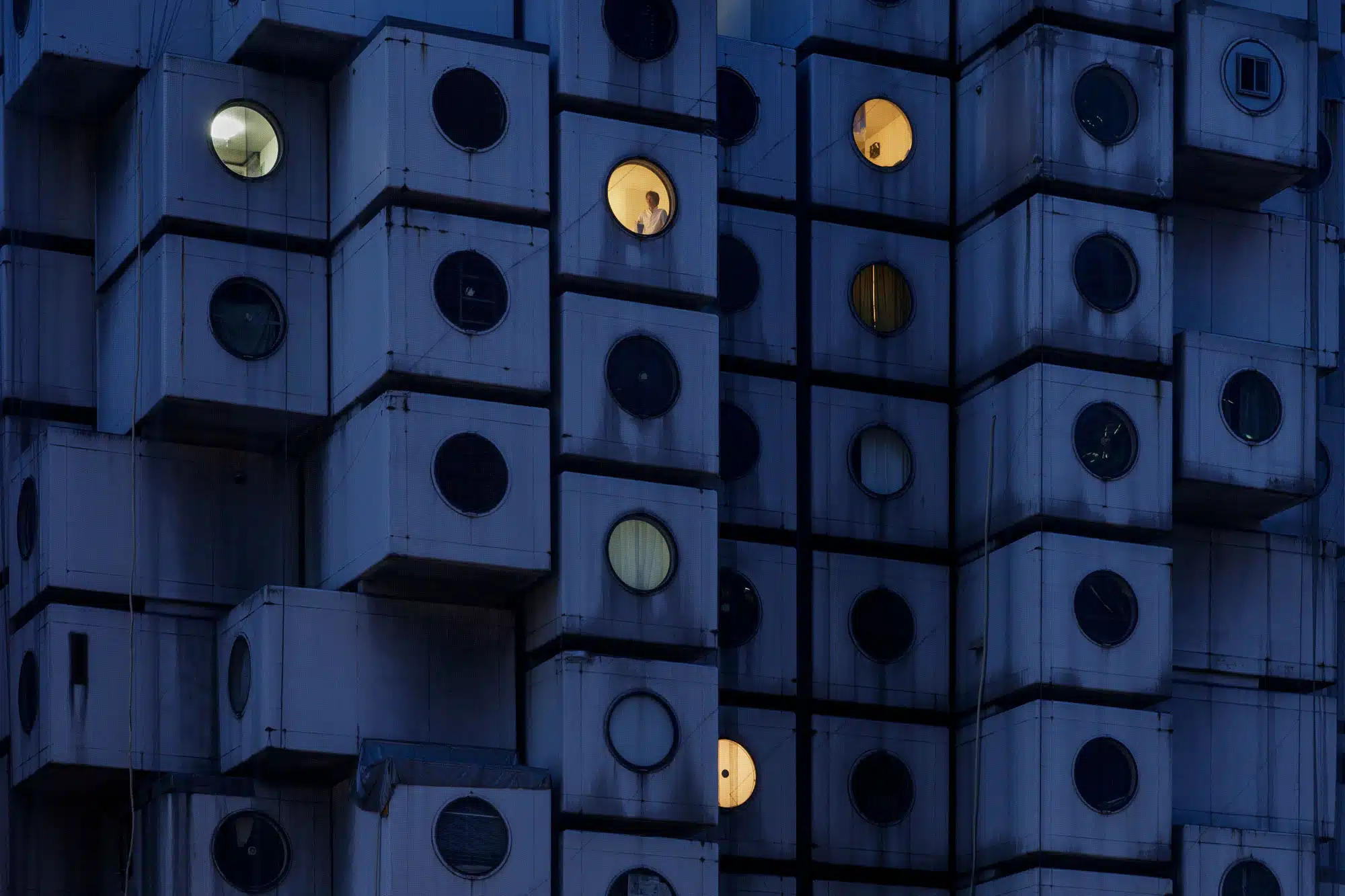
The exhibition titled The Many Lives of the Nakagin Capsule Tower is going to be held at the Museum of Modern Art, New York City, from July 10, 2025, to July 12, 2026. The exhibition is a reflection of the fifty-year-old history of the Nakagin Capsule Tower, which was designed by Kisho Kurokawa, a leading architect of the Japanese Metabolism movement. The building was initially completed in 1972 and was a grouping of prefabricated modular capsules connected to communal cores, thus making it a prominent example of the Metabolism movement. The exhibition will not only tell the story of the tower’s rise as a metaphor for the future but also about the changes it underwent throughout its life cycle until the final demolition of the last unit took place in 2022. However, the legacy of the capsule continues to be present through the units that were preserved and the reinterpretations that were made.
Event Overview
The A1305 capsule is the most important aspect of the exhibition; only fourteen units were restored after the demolition. The display includes original drawings, models, ephemera, photographs, and films that illustrate the building’s conception, marketing, use, decline, and legacy. Video interviews with ex-residents and a virtual tour give an intimate and spatial insight into the narrative. The exhibition views the tower as a dynamic repository of architectural trial, urban evolution, and cultural remembrance.
Architectural Analysis
The Nakagin Capsule Tower’s design was based on the principles of flexibility, modularity, and urban living at a very small scale. The prefabricated capsules were designed in such a way that they could be easily replaced with others as the requirements changed; thus, the whole building was similar to a living organism. The combination of materials and structure consisted of concrete and steel cores that supported the factory-made capsule units. The building, in terms of context, not only addressed the issue of rapid urbanization of post-war Tokyo but also the avant-garde ideas of machine, growth, and transformation in architecture. A critical reflection arises concerning the original promise of replaceability and longevity; was it actually realistic? The capsules were mostly untouched for decades, maintenance turned out to be very expensive, and finally, the tower had to be demolished. The exhibition demands from the audience to ponder over the conflict between the futuristic flexibility and the down-to-earth durability in the context of architecture.
Project Importance
For architects and designers this exhibition provides rich lessons on the interplay of innovation and lifespan in built work. It teaches that architectural ambition must consider the long term as well as the immediate. From a typological perspective, the tower influenced ideas about micro dwellings, urban densities, and modular construction. In the current era of sustainability and transformation, the project matters because it invites reflection on how architecture adapts, becomes repurposed, and ultimately becomes part of cultural memory rather than only physical infrastructure.
✦ ArchUp Editorial Insight
The Many Lives of the Nakagin Capsule Tower narrates a story of architecture that is nothing but an experiment and heritage at the same time. The display focuses on the important aspects like modularity, urban density, and the participation of architecture in the life of the city that is constantly changing. One of the important issues to discuss is if the building’s innovative system could actually provide the promised renewal and replacement over the years. However, the ongoing impact of the project demonstrates how far architecture can go, over the barrier of physical life, to be transformed into an idea, a model, and a legacy.
Conclusion
The exhibition is a representation of a daring architectural concept and its intricate life post-construction. It is through the capsule, models, and archival material that the show invites the audience to interact with architecture in its dual capacity as an aesthetic form and a procedural aspect, as a social space and a temporal system. For the architects and the architectural community, the exhibition is a reminder that the design process does not only cover the moment of creation but also the entire trajectory of use, decay, adaptation, and memory. The exhibition compels us to consider how architecture keeps on being relevant by changing through evolving and being reimagined. The history of the Nakagin Capsule Tower is such that it teaches us the dramatic ideas in architecture may, though unintentionally, persist to play a role in shaping new design and revisiting the old concepts of permanence, flexibility, and valuelessness.
Explore the Latest Architecture Exhibitions & Conferences
ArchUp offers daily updates on top global architectural exhibitions, design conferences, and professional art and design forums. Follow key architecture competitions, check official results, and stay informed through the latest architectural news worldwide. ArchUp is your encyclopedic hub for discovering events and design-driven opportunities across the globe.
Brought to you by the ArchUp Editorial Team
Inspiration starts here. Dive deeper into architecture, interior design, research, cities, design, and cutting-edge projects on ArchUp.


