

PolyBloc: Flexible and Sustainable Architecture for Modern Urban Living Challenges

The Evolution of Architecture with Changing Lifestyles
As our work patterns and daily lives evolve, so too do the ways we interact with architecture. In modern cities, rapid urban expansion and the decline of the nuclear family concept give rise to new challenges in residential space design.
Innovative Solutions to the Housing Crisis
In response to these challenges, the concept of modular construction has emerged as a flexible model that adapts to contemporary housing needs. A prominent example is the PolyBloc project, developed by Cutwork Studio in Paris. This project relies on a prefabricated construction system implemented through industrial production, enabling the creation of housing more efficiently and faster compared to traditional building methods.
Modular Construction: Advantages and Impacts
Modular construction offers significant flexibility in both design and implementation, and it can adapt to diverse urban environments and residential requirements. Furthermore, this approach helps address the growing housing crisis by providing faster and more sustainable solutions to accommodate densely populated cities.


The Shift Towards Shared Spaces and Mobile Lifestyles
Observing the inevitable global trend towards shared spaces and mobile lifestyles, the designers behind the PolyBloc project began envisioning innovative solutions for urban architecture. This initiative reflects the need to create spaces that can adapt to fast-changing modern lifestyles.
From PolyRoom to PolyBloc
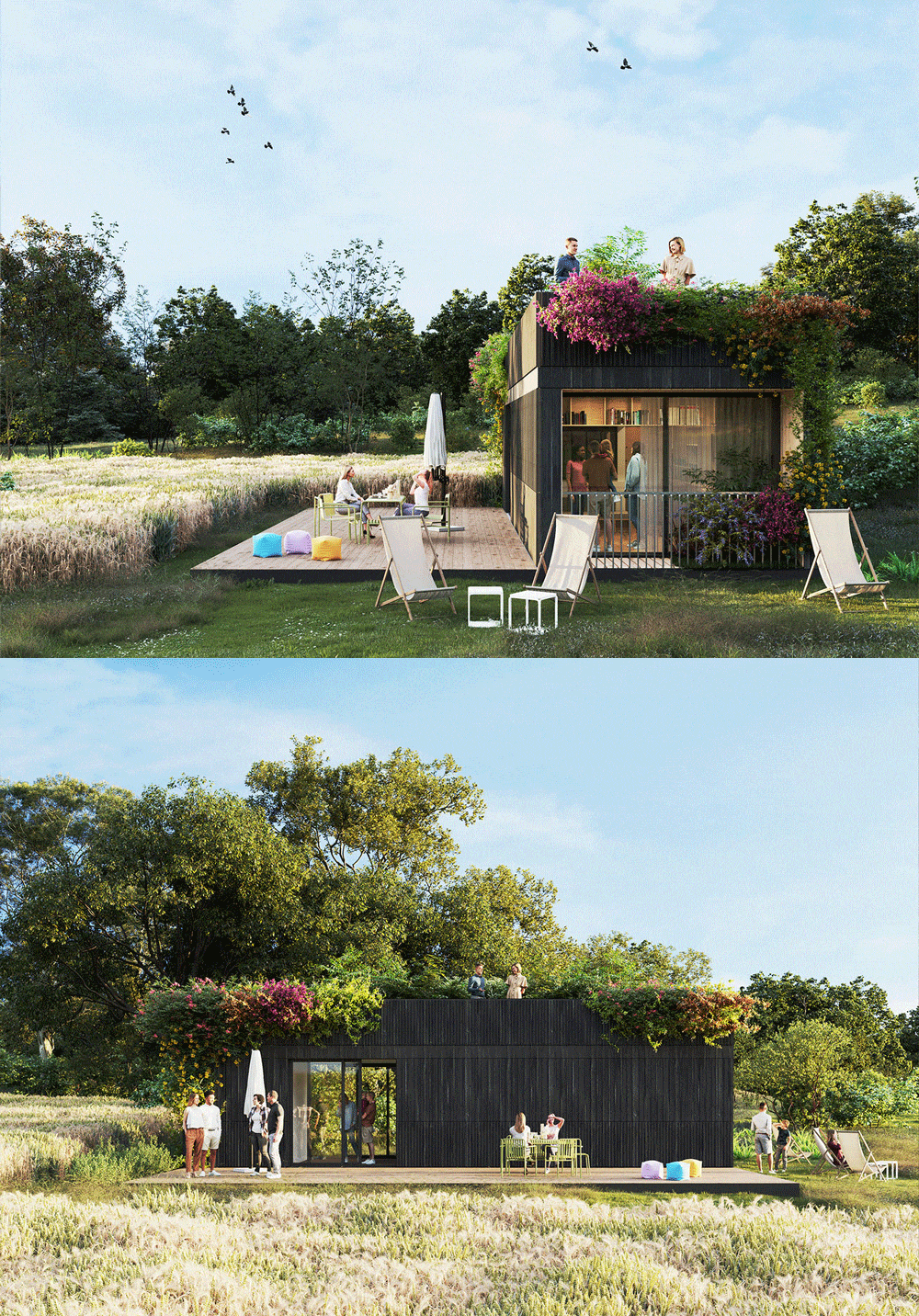
The project initially began as PolyRoom, a prefabricated unit consisting of a single room measuring 21 square meters (226 square feet). This unit stood out for its flexibility and multi-use potential, suitable for individual living, a small office, or a relaxation area.
As the studio evolved and the project expanded, PolyBloc emerged as a larger and more integrated version, offering flexible housing solutions to meet the needs of diverse urban communities.


The Value of Repetition and Modular Flexibility
Cutwork Studio emphasized the importance of repetition and modular flexibility in developing PolyBloc, viewing each PolyRoom unit as a core that can be replicated and adapted to fit various contexts, whether in urban or rural environments.
Smart Multi-Purpose Design
Since the unit’s goal is adaptability and flexibility, each PolyRoom is equipped with multifunctional hidden furniture. This design allows for efficient use of space while meeting the evolving needs of residents, whether for living, working, or relaxation.

The Multi-Purpose Central Room
PolyRoom was designed as a central room without a predetermined purpose, inspired by Japanese design principles such as washitsu and the tatami room. These concepts aim to reconfigure spaces in ways that meet diverse resident needs while maintaining flow and comfort.
Smart Furniture to Enhance Flexibility
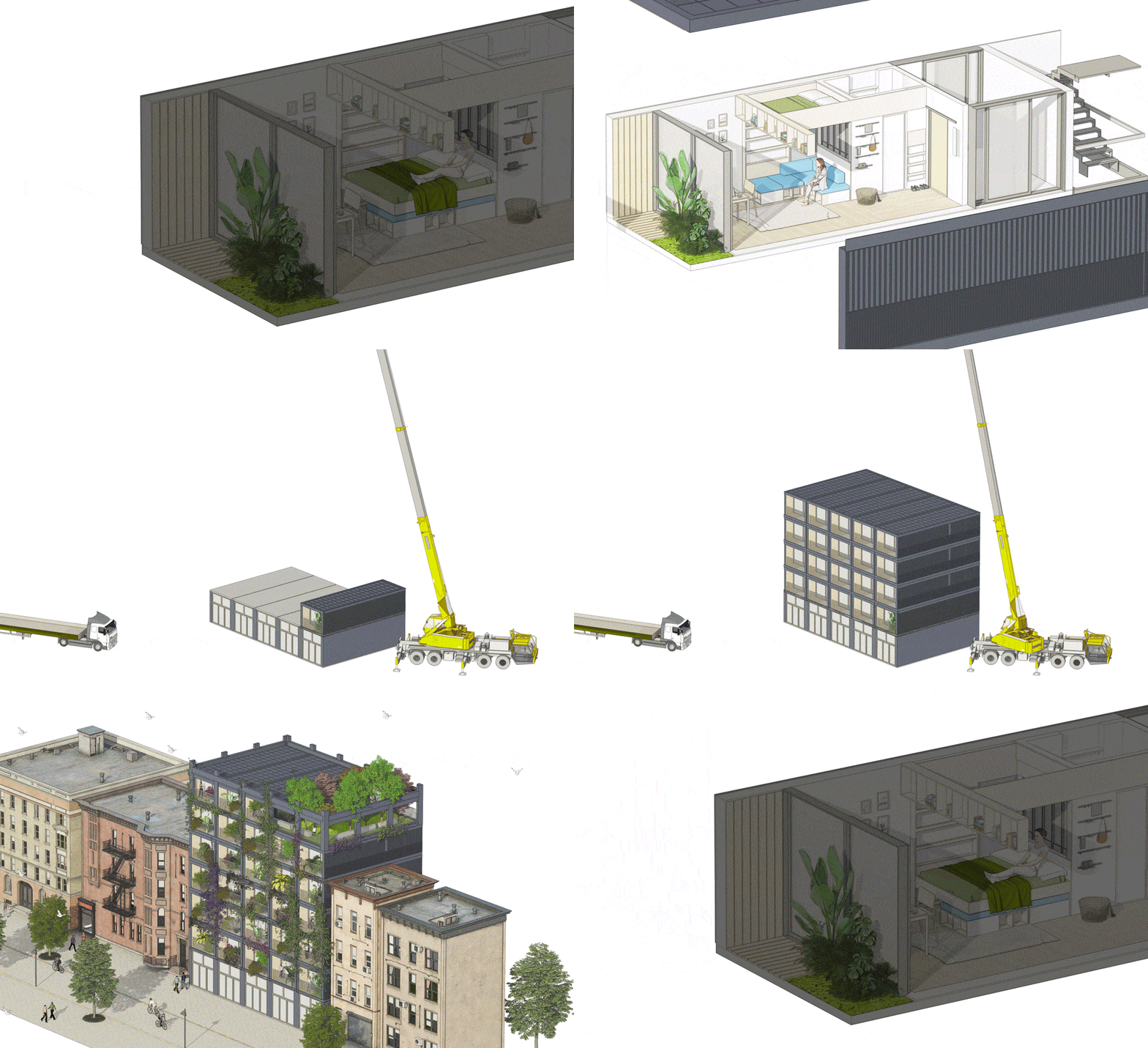
In line with this design, each unit comes equipped with multifunctional furniture, including foldable beds, collapsible storage cabinets, and telescopic rod systems that can transform partitions and doors to create additional floor space. This approach reflects the project’s focus on flexibility and efficient space utilization, enabling residents to use the room in various ways according to their daily needs.

Promoting Cohabitation and Sustainability
To enhance the appeal of each unit for cohabitation and multi-use, PolyRoom comes equipped with green roofs and surfaces, supported by automated irrigation systems that adapt to the unique biodiversity of each city. This design allows for the integration of nature into the urban environment, while promoting sustainability and improving residents’ quality of life.
Modular Construction: Stackable Units Like LEGO
Leveraging the flexibility and versatility of modular construction, PolyBloc consists of units stacked atop one another in a manner reminiscent of LEGO blocks. This approach enables the creation of expandable and easily adjustable residential spaces, providing a practical solution to modern urban challenges.


Rapid Production and Urban Expansion
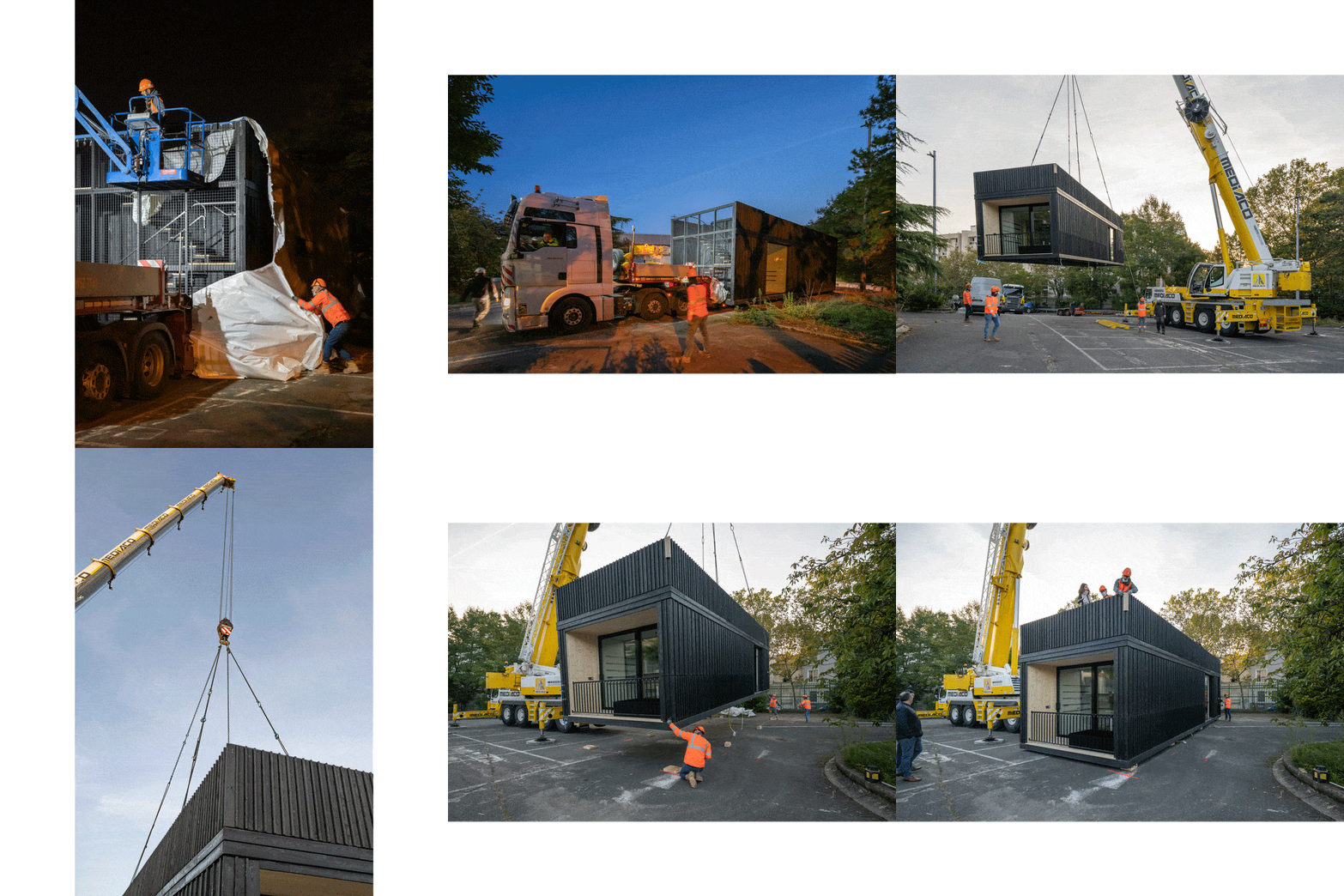
PolyRoom units can be produced in large quantities by Cutwork Studio and stacked to form complete residential complexes in different cities, at speeds surpassing what traditional construction methods allow. This approach provides a practical solution to rapid urban expansion and growing housing demands.
Forward-Thinking Design
The project goes beyond merely constructing buildings, as Cutwork focuses on creating the systems necessary to build these spaces. The studio explains: “It’s not only about building objects and spaces; it’s about crafting the systems to build [objects and spaces]—systems that help address future challenges.” This emphasis reflects forward-thinking and strategic planning in modern architecture, with careful consideration for flexibility and sustainability.

✦ ArchUp Editorial Insight
The PolyBloc project demonstrates advanced architectural thinking in terms of flexibility and adaptability to modern urban living needs, with a focus on sustainability and integrating nature into the built environment. The modular units provide practical solutions for creating rapidly expandable and adjustable residential spaces, making them suitable for densely populated and constantly evolving cities.
However, this concept may face challenges when implemented on a larger scale, such as the initial cost of industrial production or adapting to different residential cultures, in addition to the potential limitation of social interaction within relatively small units. Overall, the project presents an innovative model that can serve as inspiration, while also highlighting practical considerations that may require ongoing attention to ensure long-term success.
Prepared by the ArchUp Editorial Team
Don’t miss the chance to explore more from Architecture in fields like Design and Projects on the ArchUp website.


