Between Fashion and Modernity: A Look into Glenn Sestig’s Architectural Philosophy

The Beginnings of Architecture and Fashion
The collaboration between Glenn Sestig Architects and the Belgian brand Morobé represented a natural convergence between the worlds of architecture and fashion. In an interview with Wallpaper magazine in 2025, architect Glenn Sestig revealed that he was close to pursuing a career in fashion before turning to architecture. This intersection between the two fields did not fade away; rather, it became an essential part of his design philosophy.
The Interplay of Creative Disciplines
Sestig believes that creativity knows no clear boundaries, stating: “You really can’t separate fashion from architecture, photography, or music… they all need each other.” This perspective reflects a deep understanding of the integration of different arts, where each practice serves as a source of inspiration for the others.
Between Roots and New Beginnings
In June 2025, Morobé’s new store opened in Saint-Tropez, specifically on Rue Gambetta. This location was not chosen randomly; it was linked to personal memories of founder Virginie Morobé, who used to spend her summer childhood holidays there. Thus, the opening represented a return to her roots, while simultaneously marking a new chapter in the brand’s journey, which was established in 2015.
A Distinct Mediterranean Identity
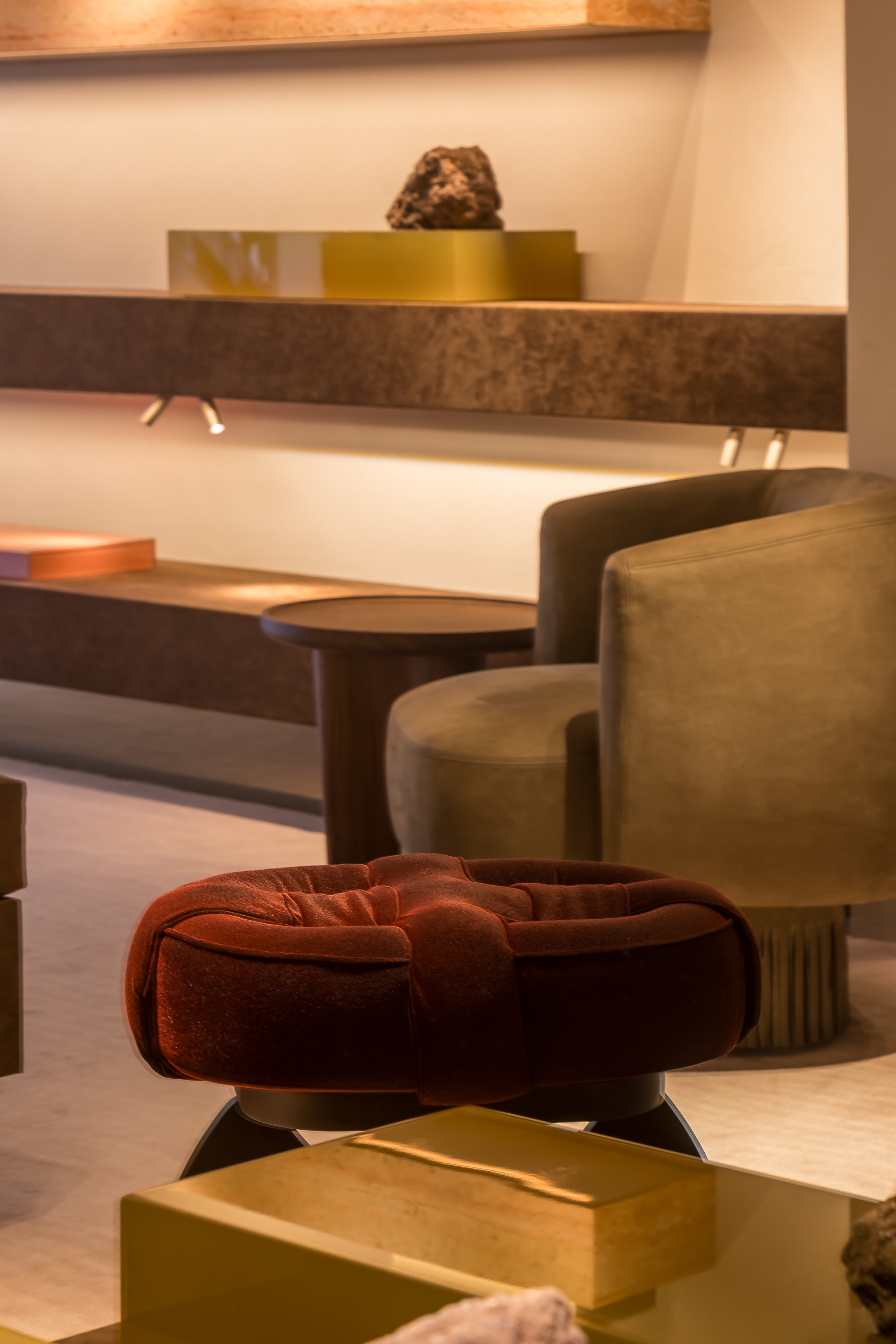
The store is named Riviera Residence, a designation that reflects the serene spirit associated with seaside retreats. Its design was inspired by the brand’s previous projects, such as Seaside Apartment in Knokke and Antwerp Townhouse, yet this time it presents an identity more closely tied to the Mediterranean.
Design Language and Aesthetic Elements
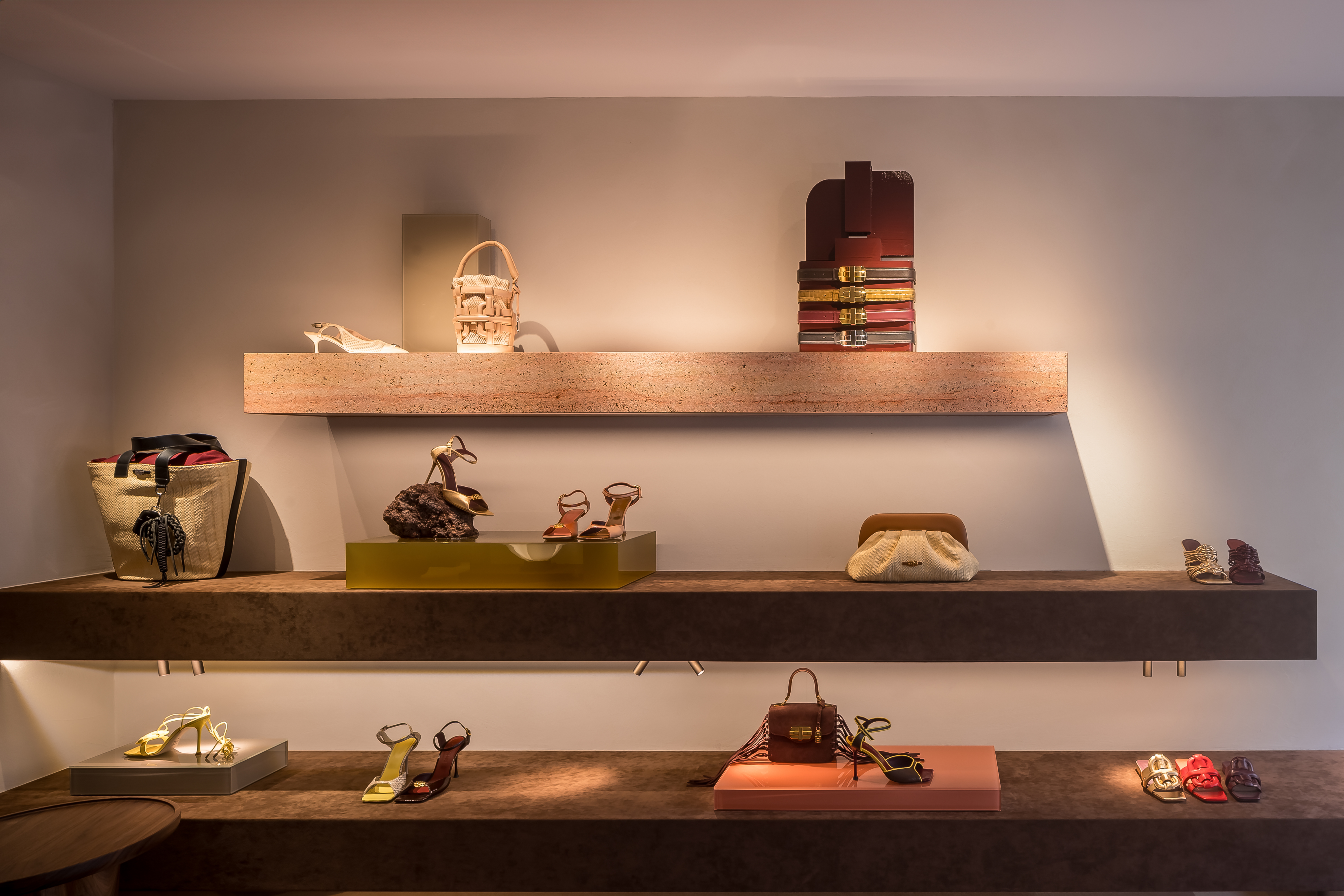
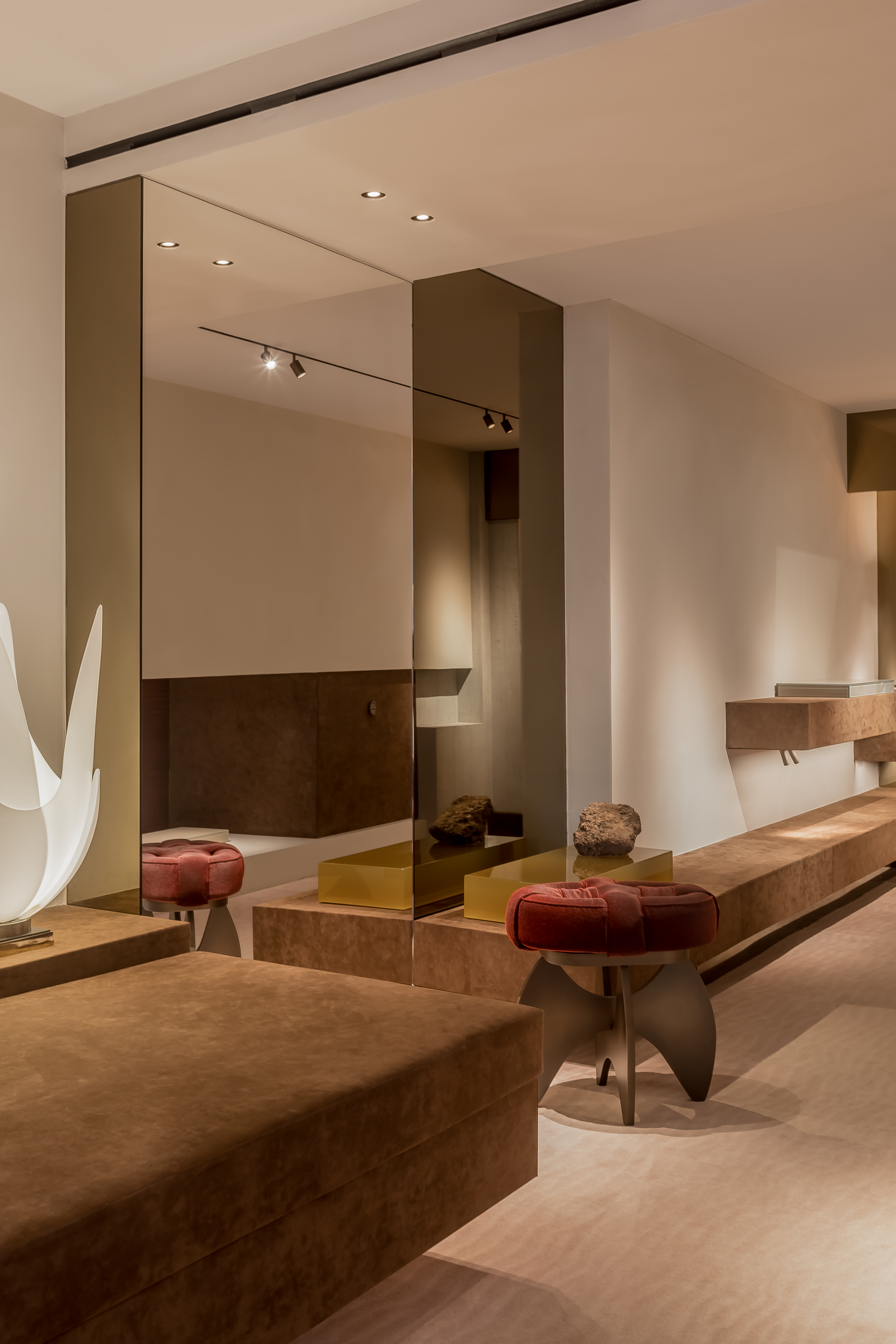
Warm earthy tones blend with natural materials and sculptural geometric elements, giving the space a cohesive artistic character. Each displayed piece appears as a standalone work of art, while sand-colored rugs with wave motifs create a calm visual rhythm reminiscent of the Riviera’s slow, harmonious movement.
A Living Room–Like Space
To bring visitors closer, the space was designed to emulate a living room, transforming it into an area that conveys privacy and comfort. In this way, the store becomes an internal sanctuary, away from the external heat and the noise of conventional retail experiences.
Early Architectural Thought
Since founding his office in 1999, Glenn Sestig’s name has been associated with an architectural style that combines majestic grandeur, strict symmetry, and meticulous precision. Yet the roots of this approach trace back to an early stage of his life; at the age of thirteen, he was designing rooms for his parents and grandparents, drawing inspiration from modernist icons such as Mies van der Rohe, Frank Lloyd Wright, and Carlo Scarpa.
Continuity of Vision Over Time
Sestig emphasizes that these early beginnings are still present in his work today, stating: “When I look back at those designs… I find that they carry the same way of thinking and designing that I follow now. They feel like modernity.” This reflects the continuity and evolution of his architectural vision without losing its original identity.
Modernist Influences in Saint-Tropez
These influences are clearly manifested in the main Saint-Tropez store, where Sestig reinterpreted its distinctive urban edge, this time with a softer, warmer Mediterranean touch. Here, it becomes evident how architecture can adapt to its context while preserving its modernist essence.
✦ ArchUp Editorial Insight
The Morobé store project in Saint-Tropez can be seen as a fascinating design experiment, successfully blending Mediterranean identity elements with distinctive urban architectural touches, giving visitors a sense of privacy and tranquility. However, some observers might feel that the project’s emphasis on aesthetic and artistic aspects, at the expense of practical functions and the everyday shopping experience, makes the overall impression somewhat limited in terms of usability. Additionally, the meticulous design approach may make some visitors feel a sense of distance or excessive formality compared to familiar retail experiences. Nevertheless, the project remains a clear window into how art and architectural design can be integrated in a contemporary context, offering a unique visual experience for those who appreciate aesthetic and artistic elements.
Prepared by the ArchUp Editorial Team
Don’t miss the chance to explore more from Architecture in fields like Interior Design and Architectural News on the ArchUp website.