Hilborn House: A Unique Architectural Masterpiece Blending Modernity with the Spirit of Nature

A Rare Architectural Gem Emerges on the Market
It is uncommon to come across an opportunity to acquire a distinctive architectural masterpiece in the real estate market, but in this case, an exception worthy of attention has appeared. The Hilborn House in Cambridge, Ontario, was listed , a modern-designed home crafted by Arthur Erickson (1924–2009), one of Canada’s most prominent architects who gained international acclaim.
This house stands as a notable example of innovation in contemporary architecture, reflecting Erickson’s signature style characterized by the fusion of modernity and functionality simultaneously.
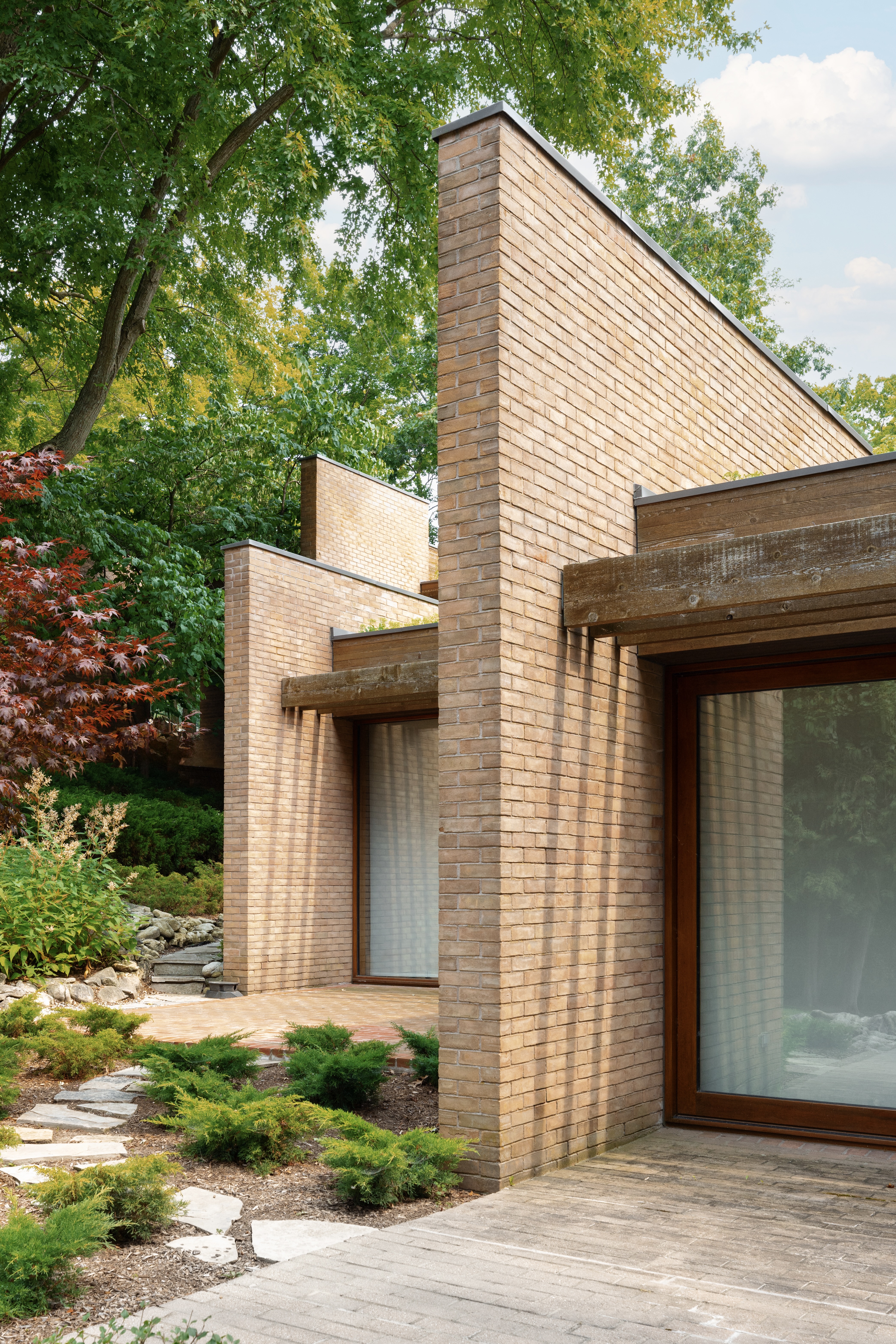
The Hilborn House: A Masterpiece within Erickson’s Signature Collection
The Hilborn House is not just an ordinary residential building; it is part of the prestigious Signature Collection, which comprises private homes personally designed by Arthur Erickson. This collection is renowned for his landmark works such as the Museum of Anthropology in Vancouver and the Canadian Embassy in Washington, D.C., reflecting Erickson’s status as one of the greatest architects in Canada and worldwide.
Design Excellence and Natural Building Materials
Dick and Loretta Hilborn commissioned the construction of this house, completed in 1974, which clearly demonstrates Erickson’s mastery in the use of natural light and spatial rhythm within interiors. It also shows his evident influence from Japanese design principles based on simplicity and balance.
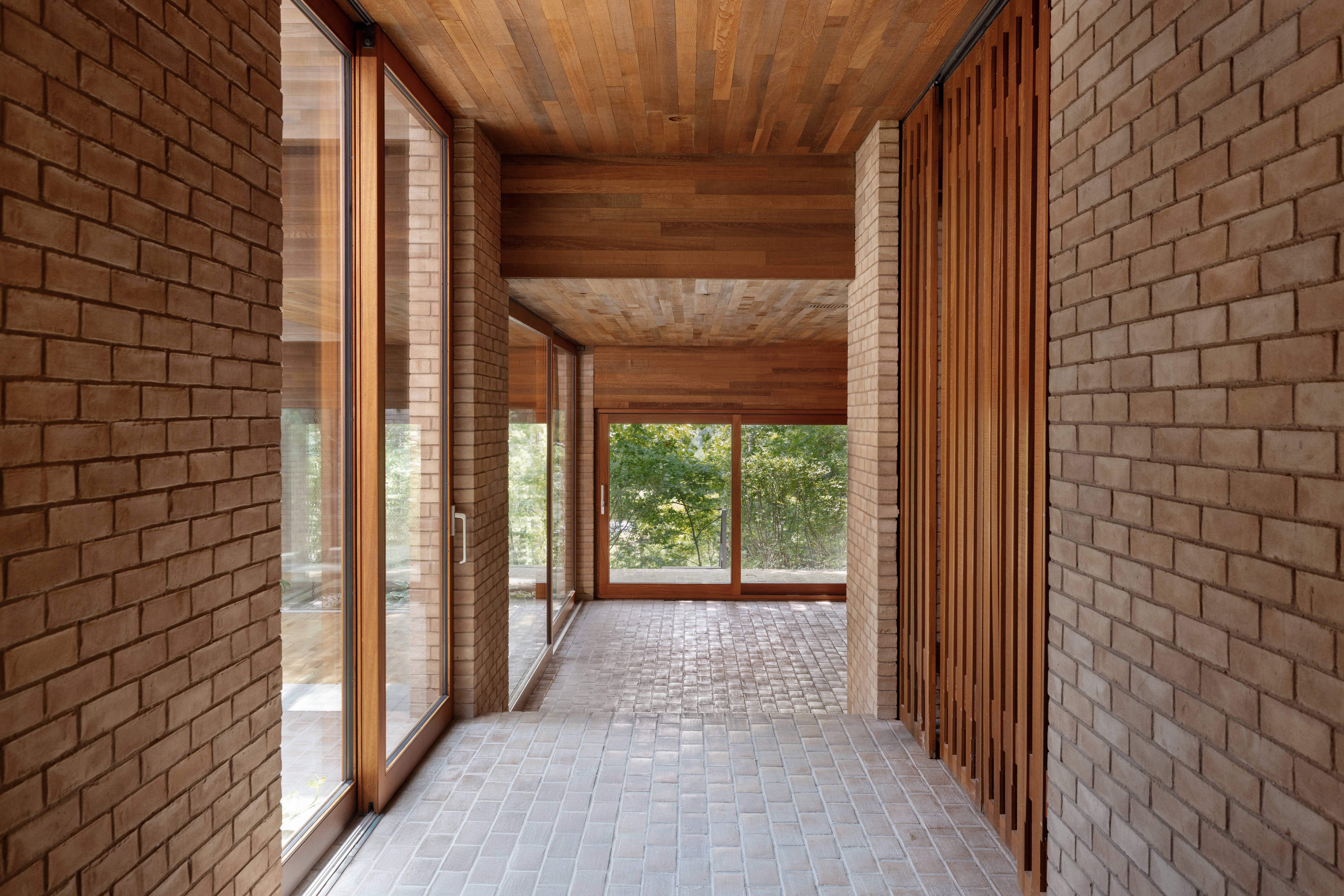
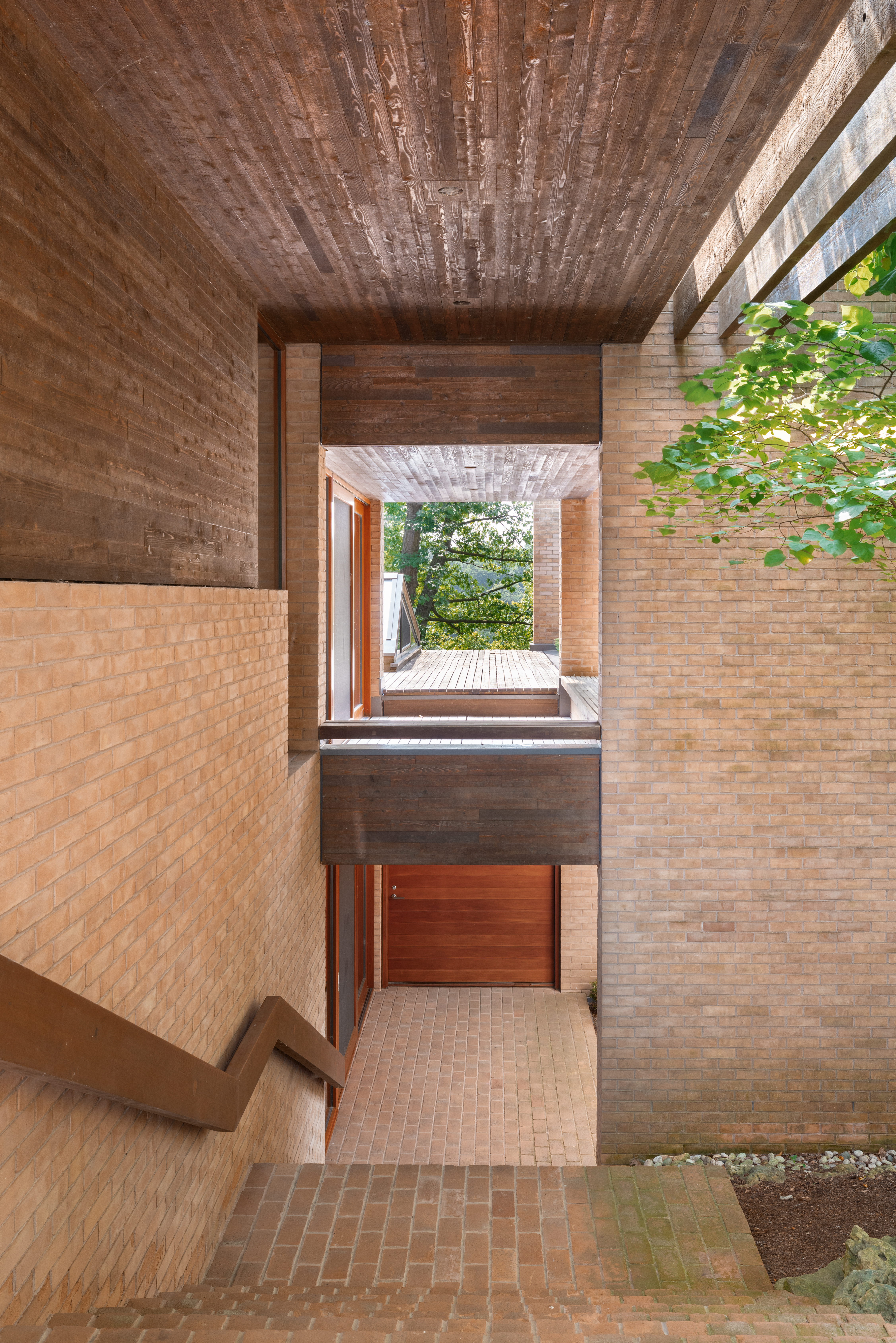
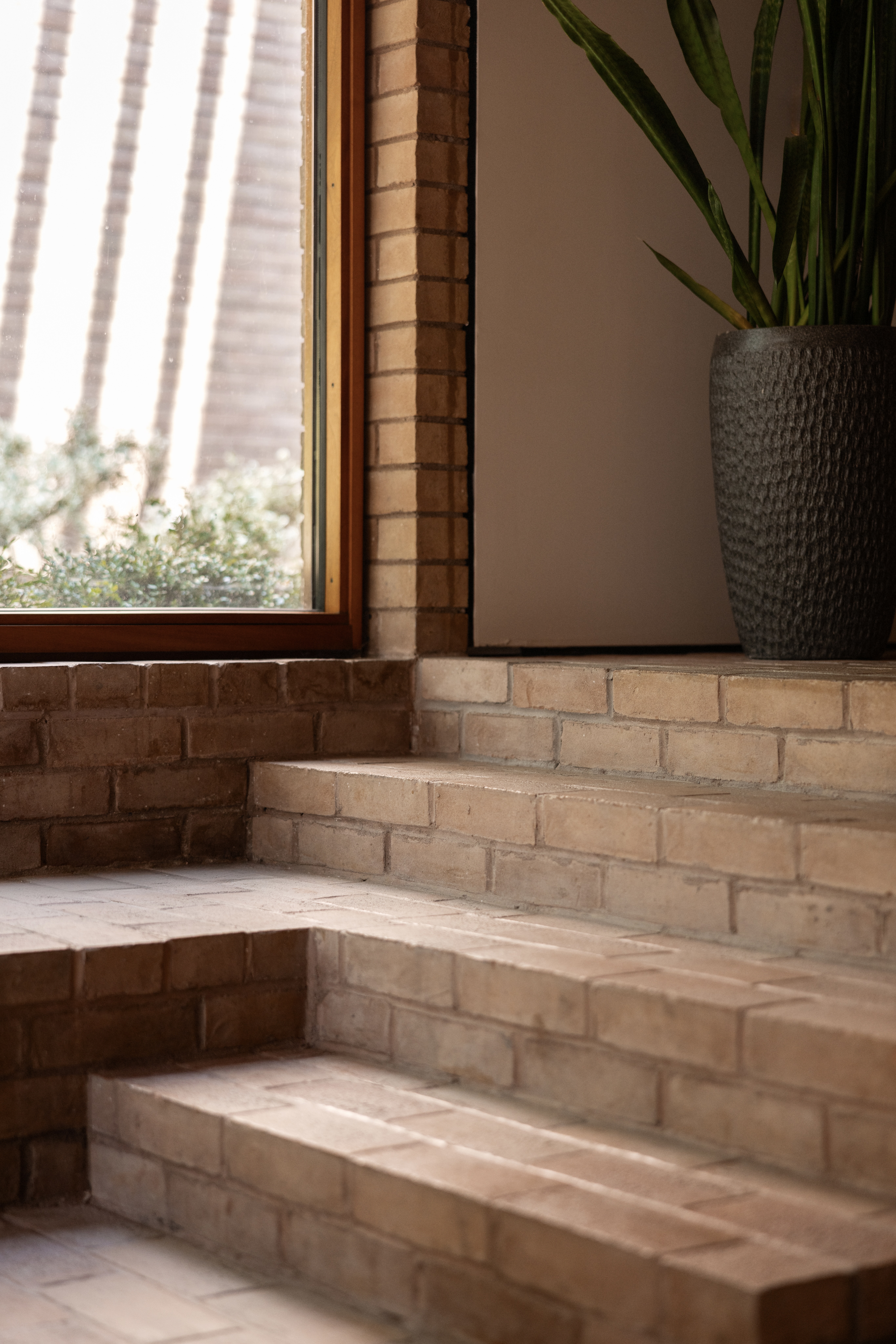
In terms of materials, the house relies on tangible natural elements, such as warm mahogany wood and durable stone, with a solid stone structure. Additionally, it features a unique roof made of cedar wood, giving it a warm aesthetic and an organic character that harmonizes with the surrounding environment.
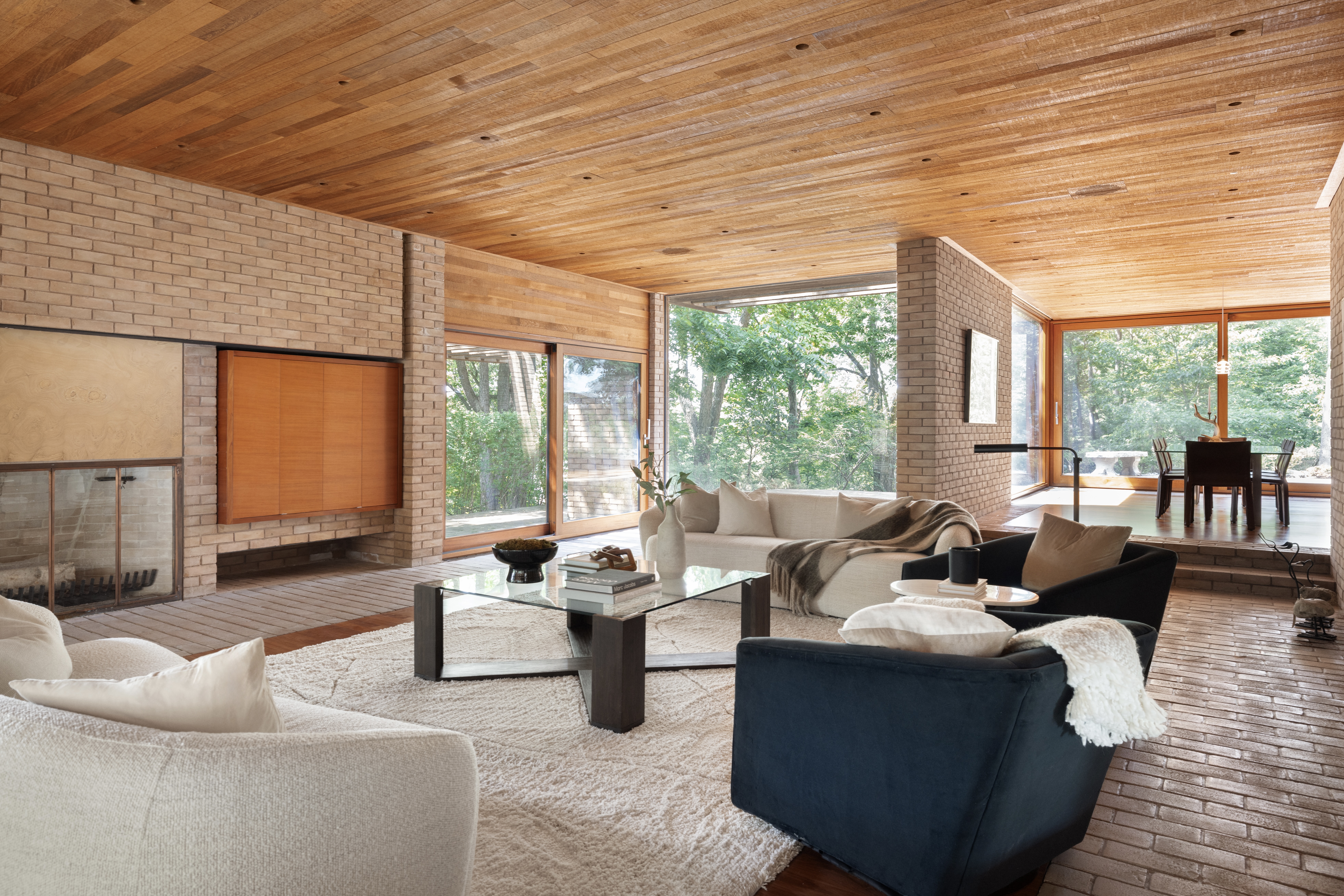
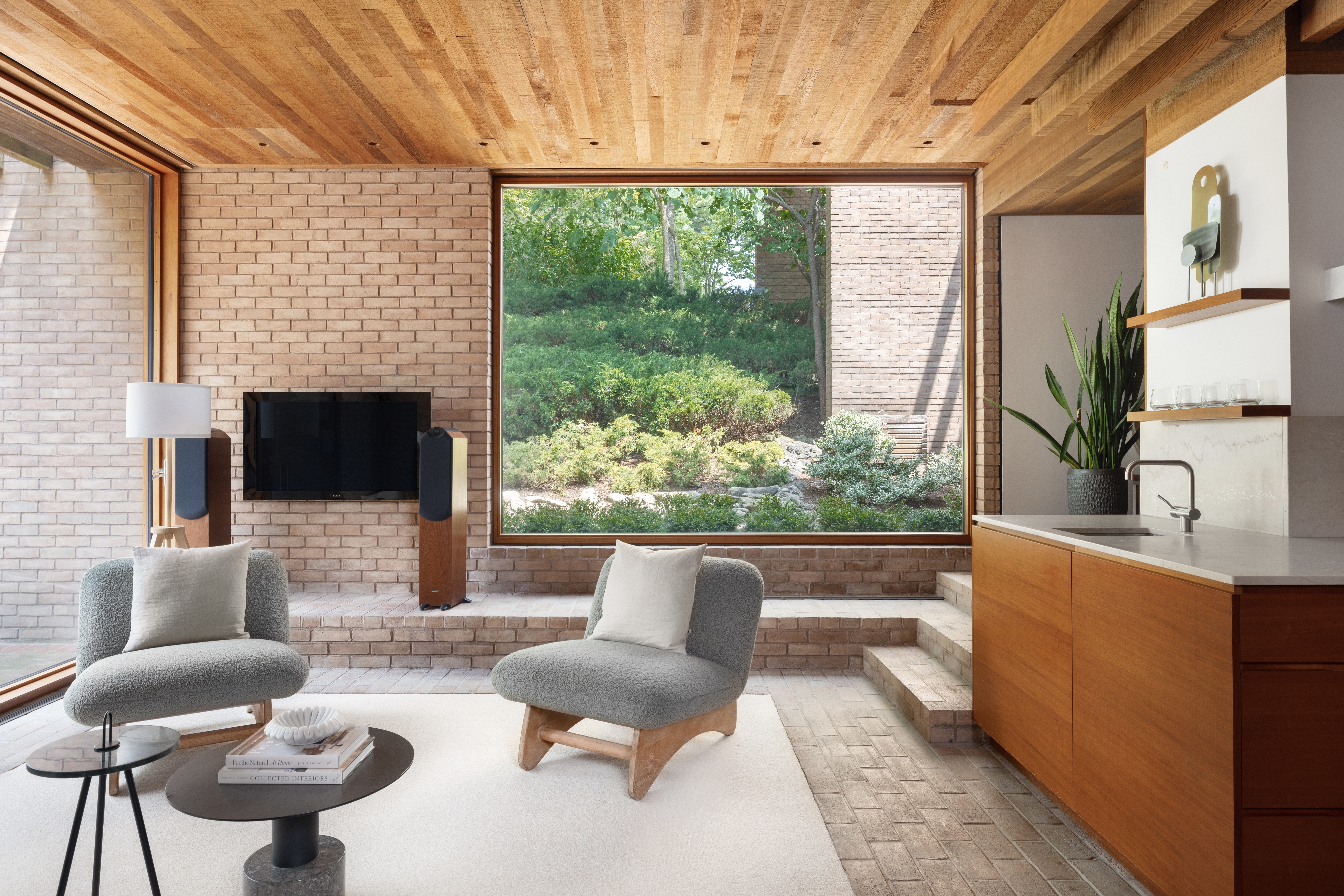
A Harmonious Design Integrated with Nature
The Hilborn House spans over 6,800 square feet and is situated on a quiet elevated site overlooking the Grand River. Arthur Erickson’s design philosophy is clearly reflected in the home, which views architecture as an “extension of the land.” The building is positioned low and close to the ground, allowing it to blend seamlessly with the 1.77-acre plot.
Seamless Connection Between Interior and Exterior
Transparent glass walls dissolve the traditional boundaries between indoor and outdoor spaces, transforming the house into a kind of sanctuary that celebrates the beauty of the surrounding forest and water. This harmony creates a unique living experience where nature and architectural design intertwine gracefully.
Architectural Details and Rich Interior Spaces
The architectural layout of the house unfolds across two levels, evoking a spatial drama reminiscent of a modern art museum. This drama is expressed through the following elements:
- Ceilings covered with cedar wood panels and exposed beams, imparting a natural and tactile beauty.
- Luxurious travertine finishes that add a touch of elegance and sophistication.
- A mosaic-tiled sauna equipped with double showers, reflecting attention to detail and occupant comfort.
- The “great room,” featuring a glass ceiling and floor-to-ceiling windows, flooding the space with natural sunlight.
- A chef’s kitchen with ceilings adorned by wooden beams, giving a warm and contemporary feel.
- The master bedroom suite with an en-suite bathroom comprising six fixtures, showcasing luxurious design.
- Upper-floor bedrooms opening onto balconies that appear to float in the air, enhancing the sense of freedom and openness.
The Beginning of the Relationship Between the Hilborn Family and Arthur Erickson
The Hilborn family first connected with architect Arthur Erickson in 1969, inspired by the modernist architecture they saw at Expo 67 in Montreal, an iconic event showcasing architectural and artistic innovations.
An Unexpected Meeting and an Instant Creative Vision
Although initial discussions did not lead to an agreement, the real encounter happened the following year spontaneously and unplanned, when the couple arranged a meeting with Erickson at Montreal’s airport. Hilborn expected Erickson to present a ready-made house design, but instead, Erickson revealed a unique creative moment; he took out an envelope and sketched his vision for the new home on it right then and there in a burst of spontaneous inspiration.
This event highlights Erickson’s nature as an architect who relies on immediate creativity and direct interaction with ideas, giving his work its distinctive uniqueness and profound artistic vision.

Arthur Erickson’s Philosophy of Architecture
Arthur Erickson expressed his profound vision of architecture with the words:
“Great buildings that move the spirit have always been rare. In every case, they are unique, poetic, products of the heart.”
These words encapsulate the essence of his design thinking, which focuses on architecture as an art that reflects emotions and spirit, rather than merely a functional structure. Certainly, whoever becomes the future steward of the Hilborn House will carry the same respect and appreciation for this philosophy, ensuring the continuity of this unique vision.
✦ ArchUp Editorial Insight
The Hilborn House represents a distinctive example of modernist architecture that combines aesthetics with practical functionality, while reflecting Arthur Erickson’s philosophy of integrating the building with its natural surroundings. This approach offers residents a unique experience of harmony with the environment. The use of natural materials such as mahogany and cedar wood, along with Japanese design touches, enhances both the aesthetic value and the sensory comfort within the home.
On the other hand, some critics might argue that the design’s intensive integration of interior and exterior through glass walls poses practical challenges related to thermal insulation and privacy, especially in varying climates. Additionally, the low ceilings and structure close to the ground may not suit all tastes or modern uses that often favor higher ceilings and more expansive spaces.
Moreover, although the design is artistically sophisticated and expresses a clear architectural vision, the heavy reliance on costly natural materials may make maintenance and updates expensive over the long term, potentially limiting the house’s effective use across multiple generations.
In conclusion, the Hilborn House stands as a rich architectural experience blending modernity and tradition, art and function. Yet, as with any artistic or architectural work, it is not without challenges and aspects that might be reconsidered to better suit the demands of the modern era.
Prepared by the ArchUp Editorial Team
Don’t miss the chance to explore more from Architecture in fields like Buildings and Design on the ArchUp website.