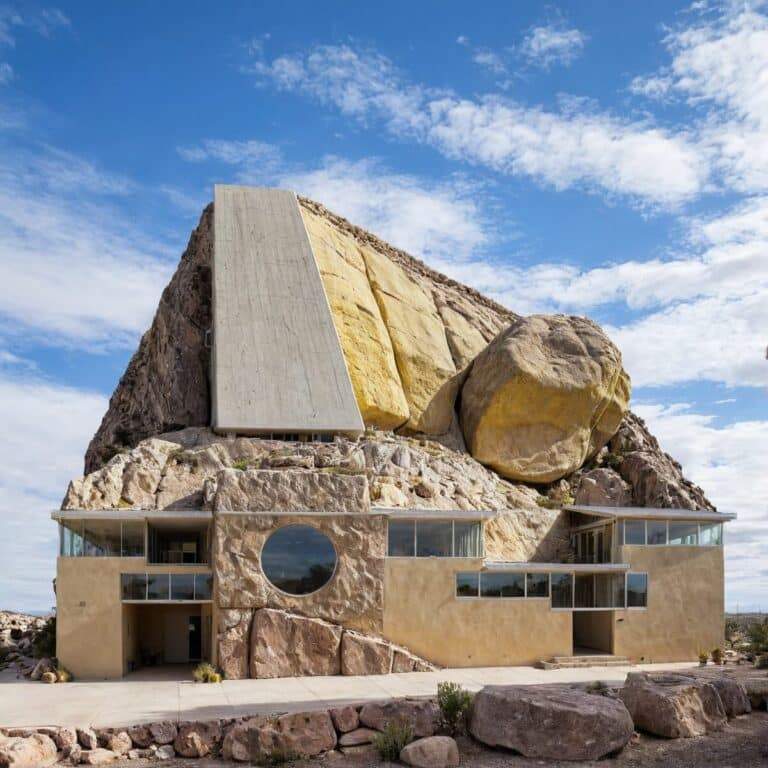
How Chilean Architect Felipe Alarcón’s Earthquake-Inspired Designs Honor Memory and Tradition


A Life-Changing Earthquake: The Origins of Felipe Alarcón’s Architectural Vision
In February 2010, a catastrophic magnitude-8.8 earthquake struck just 60 miles from Linares, a small city in Chile’s fertile central valley—the childhood home of architect Felipe Alarcón. The disaster not only reshaped the landscape but also profoundly influenced Alarcón’s architectural philosophy.
Like many architecture students, Alarcón (now 40) joined post-disaster assessments, where he encountered something unexpected: traditional rural Chilean homes many with separate kitchens, smoke-blackened roofs, and vine-covered outdoor spaces had withstood the quake far better than modern structures. These vernacular designs, deeply rooted in local culture yet overlooked in architectural academia, sparked a revelation.
“They really caught my attention houses with smoke curling through the roofs, or men sitting outside, having breakfast under grapevines,” Alarcón recalls. “These forms were so much more Chilean than the colonial architecture we studied.”
From Thesis to Practice: Rediscovering Chile’s Vernacular Architecture
Two weeks after the quake, Alarcón began his master’s thesis, delving into Chilean architectural history. To his surprise, he found almost no literature documenting these resilient rural typologies a glaring omission he sought to correct.
By 2012, after completing his studies, Alarcón made a bold decision: he returned to Linares, resisting the gravitational pull of Santiago (home to 40% of Chile’s 20 million people, compared to Linares’s 100,000). There, he committed to designing architecture that honored local traditions while addressing contemporary needs.
Casa Lautaro: Architecture as a Memorial to Loss and Healing
Alarcón’s first major commission, Casa Lautaro, emerged from tragedy. A local couple whose daughter, an architecture student and Alarcón’s peer, had died in the tsunami following the 2010 quake approached him to expand their small 50-year-old home. Initially, they wanted to preserve their daughter’s bedroom intact, but Alarcón proposed a more poetic form of remembrance.
Key Design Elements of Casa Lautaro:
- A Reimagined Roof: The original terra-cotta tiles were repurposed into a street-facing boundary wall, symbolizing continuity.
- A Tilted Steel Volume: Replacing the roof, a cuboid clad in oxidized steel angles at 15 degrees, its upper edge lined with a clerestory window framing the sky—an ethereal connection to memory.
- A Space for Gathering: The daughter’s bedroom became a dining room, transforming a place of solitude into one of family connection.
“It was about finding balance between preservation and renewal,” Alarcón explains. “How can architecture hold grief while fostering life?”

Why Vernacular Architecture Matters in Modern Design
Alarcón’s work highlights a growing movement in architecture: blending traditional wisdom with contemporary innovation. His designs emphasize:
Resilience Learning from vernacular structures that survived the quake.
Cultural Identity Rejecting generic modernism in favor of locally rooted forms.
Emotional Depth Using space to honor memory without stagnation.
The Legacy of the 2010 Chile Earthquake in Design
The disaster forced Chile to rethink urban planning, material choices, and community-centric design. Architects like Alarcón now lead a wave of practitioners prioritizing sustainability, cultural preservation, and human-centered solutions.
Explore More with ArchUp
ArchUp documents the evolving profession of architects worldwide, from career insights and research to project profilesand industry news. Our editorial team publishes global salary trends, career advice, and opportunities for emerging talents. Learn more on our About page or Contact us to collaborate.