Advancements in 3D Automated Construction Technology and the Role of the ICC

Introduction to the International Code Council (ICC)
The International Code Council (ICC) is a key organization that develops building codes designed to ensure safety and encourage innovation in construction. Since October 2023, the ICC has been focused on creating new standards for 3D automated construction technology and 3D concrete. These standards will cover a wide range of building elements, including load-bearing and non-load-bearing walls in both single-story and multi-story buildings. The potential of 3D concrete printing in construction is vast and transformative.
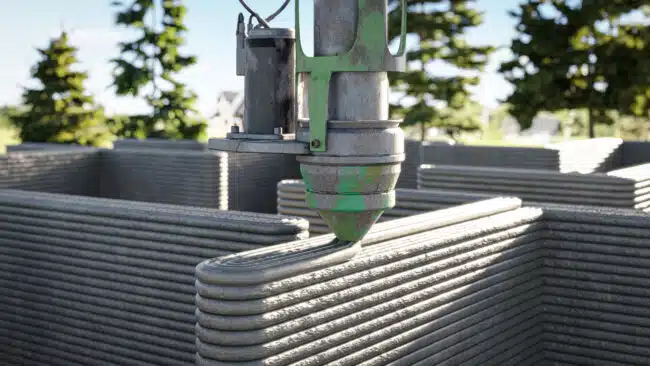
Developing Standards for 3D Concrete Walls
The ICC’s focus on 3D concrete walls highlights its commitment to adopting new technologies in construction. As 3D printing becomes more popular in the industry, the ICC aims to address safety concerns by developing standards that ensure 3D-printed buildings meet established safety protocols. These standards will also encourage greater design flexibility and improve construction efficiency.
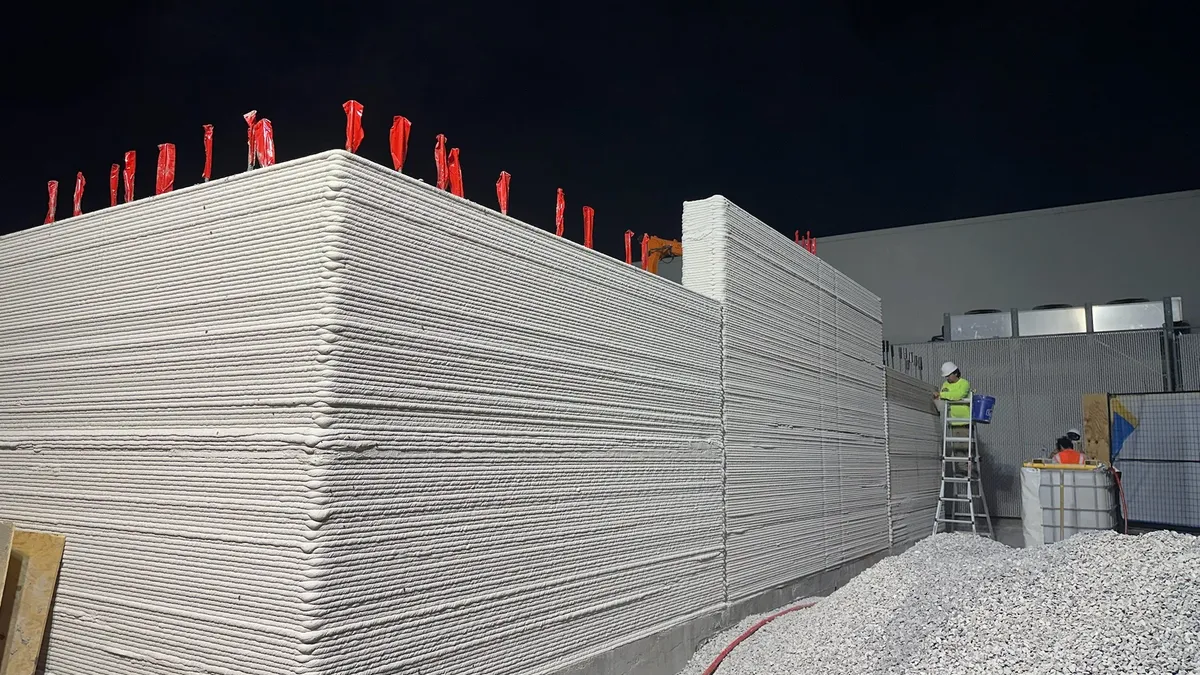
The new guidelines will cover several important aspects of 3D concrete walls:
- Load-bearing walls
- Non-load-bearing walls
- Shear walls
These elements will be used in residential and commercial projects, ensuring that the structures are safe and durable. These guidelines are crucial for establishing widespread use of 3D concrete printing in construction.
Case Studies and Industry Collaboration
Partnerships between contractors and innovators are key to advancing 3D printing in construction. One example is the collaboration between FMGI, a contractor in Woodstock, Georgia, and Alquist 3D, based in Greeley, Colorado. Together, they successfully built a 3D-printed addition to a Walmart store in Athens, Tennessee. This project, completed in September 2024, shows how 3D concrete printing in construction can be used in real-world construction.
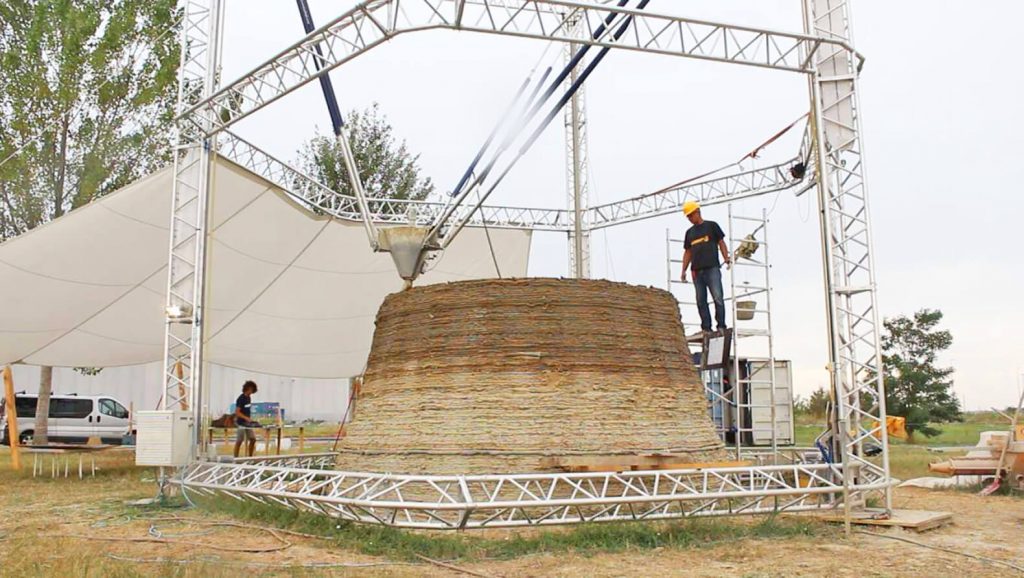
Additionally, the teams will begin another project in February 2025—a 5,000-square-foot addition to a Walmart Supercenter in Huntsville, Alabama. These projects not only showcase the practical use of 3D printing but also highlight its potential to revolutionise the commercial construction sector.
The ICC’s Upcoming Meeting and Public Feedback
The ICC is continuing to refine its proposed standards. One important step is the public hearing on February 14, 2025, where the evaluation committee will review feedback from the public. This meeting will help shape the final version of the guidelines for 3D automated construction technologies, particularly for 3D concrete walls.

As the ICC finalizes the standards, ongoing discussions and feedback will ensure that both safety and innovation fully integrate. This process will define how 3D concrete printing in construction can be safely and effectively used in the future.
Conclusion
The ICC’s efforts are paving the way for a major shift in the construction industry. By developing standards for 3D printing and 3D concrete, the ICC is ensuring that new technologies can be used safely while also improving efficiency. These advancements will allow the construction industry to build more sustainable, innovative, and cost-effective structures. The future of 3D concrete printing in construction looks promising, thanks to the ongoing work of the ICC.