Iceland Tunnel Project to Connect Remote Northern Districts Year-Round

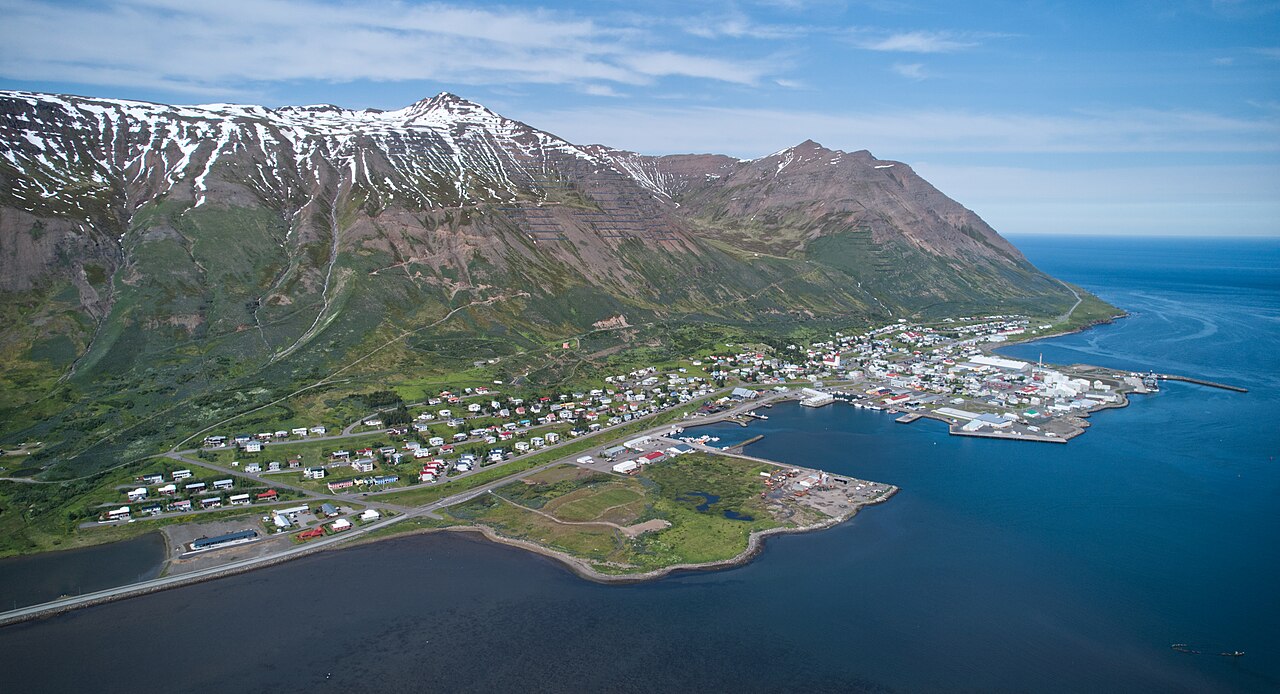
A new Iceland tunnel project will transform connectivity across the country’s northern region. The initiative involves constructing a 24-kilometer road and a 5.3-kilometer tunnel linking the remote Siglufjörður and Fljót districts.
Replacing Weather-Vulnerable Mountain Route
The existing mountain road currently connects these isolated communities. However, it remains vulnerable to subsidence and severe weather conditions. Consequently, authorities frequently close this route during winter months, leaving residents cut off from essential services.
The new infrastructure development has been designated as a priority investment within Iceland’s national transport planning framework. Therefore, design work must be completed by November 2026.
Technical Challenges in Conservation Area
The tunnel alignment presents significant engineering challenges. Designers must navigate through a water conservation area while addressing potential landslide and avalanche risks. Moreover, the project requires integrated solutions across multiple disciplines.
Technical scope includes geotechnical engineering, road and bridge design, plus water and wastewater systems. Additionally, specialists will develop tunnel control and safety systems to ensure operational reliability in harsh Arctic conditions.
Regional Impact on Rural Communities
Previous infrastructure projects throughout Iceland have demonstrated measurable benefits for remote populations. Improved transport links typically strengthen regional labor markets and enhance access to healthcare facilities. Furthermore, reliable road connections help stabilize population trends in rural areas.
The year-round connectivity will support economic activity across northern districts. Meanwhile, residents will gain consistent access to education services and employment opportunities. These improvements address the geographic and climatic isolation that characterizes life in this region.
Broader Infrastructure Goals
The initiative reflects wider urban planning objectives for North Iceland. Enhanced travel reliability aims to sustain smaller communities facing demographic challenges. Subsequently, regional mobility improvements should reduce the urban-rural divide affecting these areas.
Similar tunnel developments have created precedents for transformative infrastructure in Iceland. These projects demonstrate how strategic construction investments can reshape regional development patterns. Therefore, authorities view this tunnel as essential for long-term territorial cohesion.
The project timeline extends through late 2026 for design completion. Following this phase, construction work will commence to deliver the vital transport link.
What impact do you think improved year-round connectivity will have on Iceland’s remote northern communities? Share your thoughts on how architecture and infrastructure projects can support isolated populations.
A Quick Architectural Snapshot
The development comprises a 5.3-kilometer tunnel integrated within a 24-kilometer road system. The route traverses a water conservation area in northern Iceland between Siglufjörður and Fljót districts. The project addresses landslide and avalanche risks while incorporating comprehensive safety systems. Design completion is scheduled for November 2026.
✦ ArchUp Editorial Insight
Periodic road closures in northern Iceland do not represent weather events. They represent cumulative policy failures in territorial equity. When healthcare, education, and labor markets concentrate in southern urban cores, remote populations absorb the cost as geographic risk. The tunnel does not emerge from engineering ambition. It emerges from decades of deferred connectivity decisions that made isolation a structural condition rather than a seasonal inconvenience.
National transport frameworks that classify such projects as priority investments reveal a pattern. Infrastructure only receives urgency status after demographic decline becomes statistically undeniable. The 24-kilometer road and 5.3-kilometer tunnel are not proactive development. They are reactive instruments deployed when population loss threatens the political legitimacy of regional governance.
This project is the logical outcome of centralized service models, climate-vulnerable legacy routes, and delayed capital allocation applied to territories whose populations lack sufficient electoral weight to accelerate timelines.