

TGTOWFC Indoor Hydroponic Tower: Your Guide to Growing Fresh Vegetables at Home

Home Hydroponics: Fresh Vegetables Made Easy
Hydroponics allows the home gardener to produce fresh and nutritious vegetables without the need for soil or direct exposure to sunlight, with minimal human intervention. This method transforms the cooking experience, enabling access to ingredients such as basil, spinach, and tomatoes without the need to visit the market or pay high prices for organic vegetables.
From Soil to Water
Although hydroponics may seem different from traditional farming, transitioning to this system is not difficult. For instance, personal experience has shown that within one month, Italian basil and spinach can be grown, and within two months, you can produce your own San Marzano tomatoes. Other types, such as chili peppers, can also be harvested easily using previously saved seeds, making the cost nearly negligible compared to buying vegetables from the market.
Practical Advantages of Hydroponics
One of the main benefits of hydroponics is the ability to fully control light, water, and plant nutrition. By using a unified water tank and LED lights that simulate sunlight, plants can grow continuously and consistently, without relying on weather conditions or seasons. This feature makes hydroponics a practical choice for indoor home gardens, providing a continuous supply of fresh vegetables throughout the year.

What Sets Indoor Hydroponic Towers Apart
Indoor hydroponic towers offer an innovative way to grow plants at home, yet they differ significantly depending on design and technology. Most traditional towers consist of a simple model that includes artificial lighting, a plant tray, and a water reservoir. These elements are usually controlled either via a timer or a smart computer that adjusts lighting and irrigation according to the plants’ needs.
Multi-Layer Vertical Design
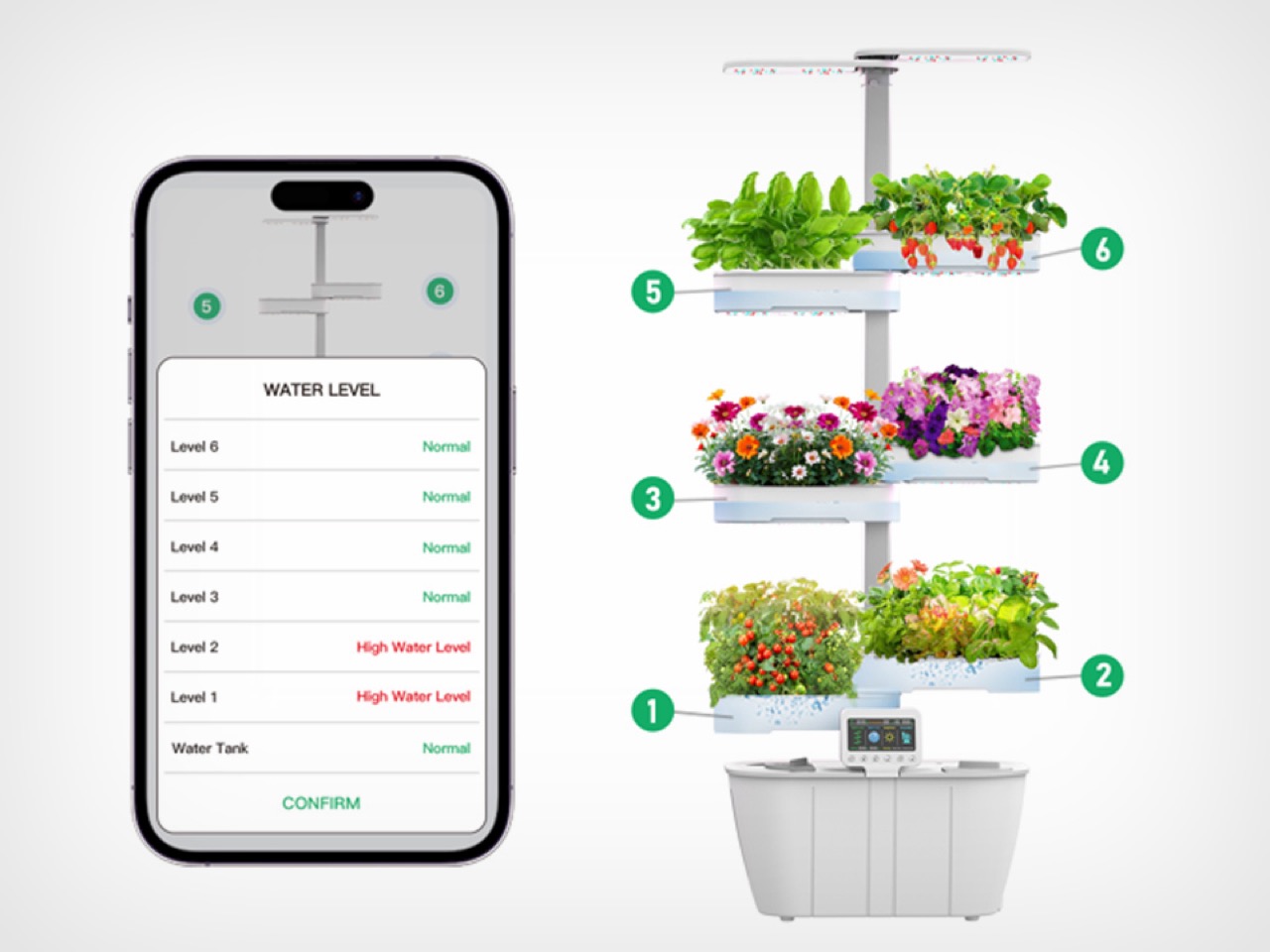
The TGTOWFC indoor hydroponic tower stands out due to its fully vertical design featuring multiple stacked layers, allowing up to 48 plants to be grown in a single tower. Practically, this means distributing 8 plants across each of the 6 platforms, with each level having its own lighting and drawing water from the main reservoir. Essentially, each tray functions as an independent growing system within the tower, enhancing growth efficiency and enabling individual control over each plant group.
Flexibility in Movement and Use
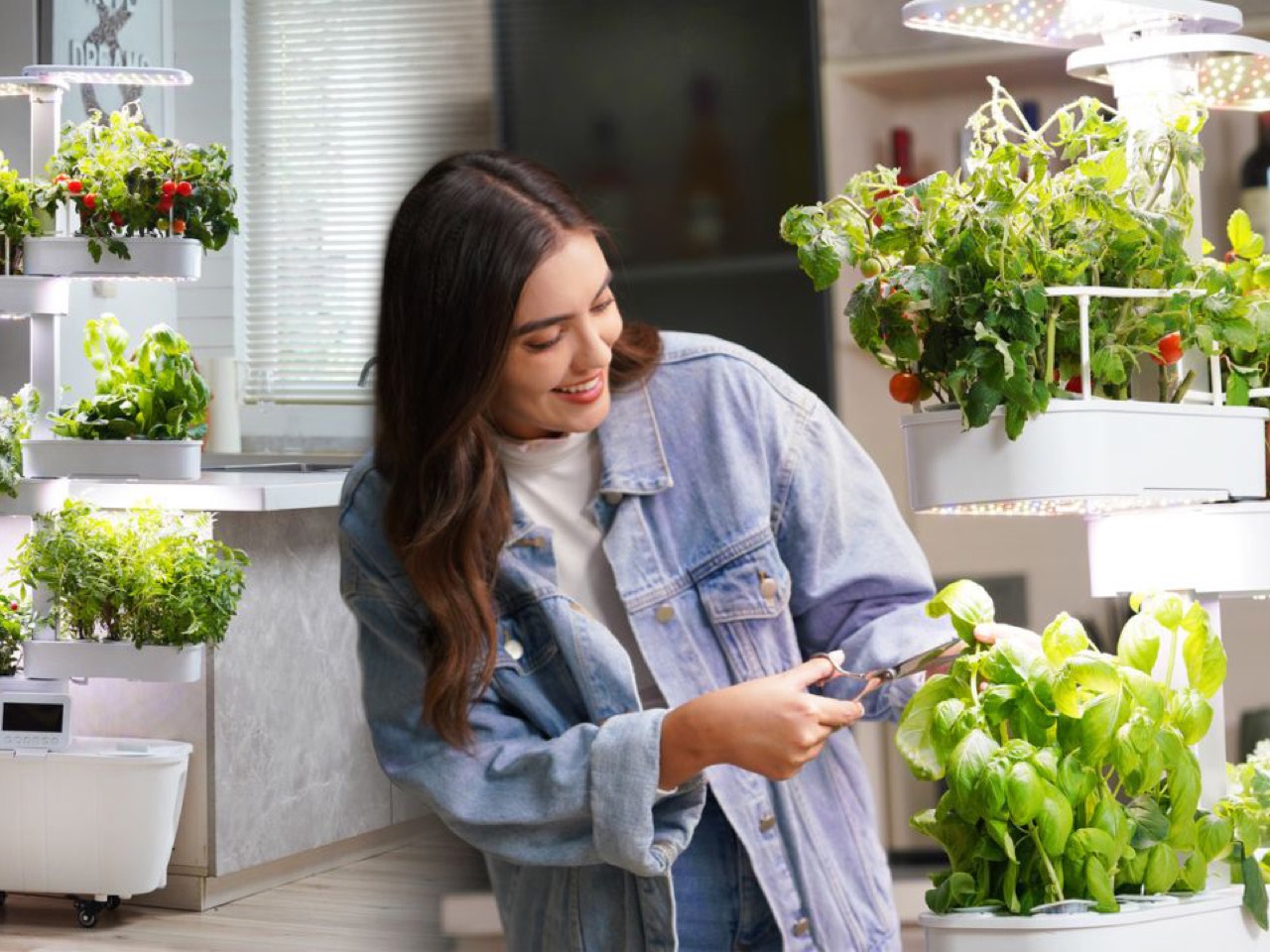
Additionally, the tower comes equipped with wheels, making it easy to move around the home. You can place it in the living room to enjoy greenery, then roll it to the kitchen for convenient access to fresh vegetables. This flexibility makes hydroponic towers a practical choice for those who want to seamlessly integrate home gardening into daily life.

Maximizing Small Spaces Efficiently
The ability to grow 48 plants in a single tower allows a small area of just about 3 square feet in your home to be transformed into a vertical garden rich with fresh produce. The tower can be used to grow vegetables, leafy greens, herbs, or even decorative and flowering plants, making it versatile according to your needs and the available space in your home.
Combining Gardening with Aesthetic Value
If desired, the tower can be turned into a flowering façade full of colors, adding an aesthetic touch to your home. Yet, another equally important aspect is the experience of harvesting vegetables and leaves directly from your home system, providing a sense of enjoyment and personal accomplishment that store-bought products cannot offer.
Encouraging Healthy Eating
Moreover, having fresh food right in front of your eyes increases the likelihood of consuming healthier and fresher foods compared to pre-packaged fast meals stored in the fridge. Easy access to fresh vegetables makes healthy dietary choices a more natural and intuitive part of your daily life.

How Does the Indoor Hydroponic System Work?
The question, “How can I grow my own vegetables?” may seem complex, but the truth is that the tower’s automatic system handles most of the processes for you. Full-spectrum LED lights provide sunlight-like illumination, covering all stages of the day from sunrise to sunset, ensuring the plants’ light requirements are perfectly met.
Independent Water Management
The tower features a 24-liter water reservoir at the base that feeds all the plants, while each tray has an additional storage capacity of 4 liters, bringing the total stored water to 48 liters. This capacity allows plants to grow for weeks without daily intervention, as the tower distributes water regularly to each tray.
Precise Growth Monitoring
Moreover, most towers come with a 5.6-inch display showing all plant-related data, with the option to use a smartphone app to access this information. This additional control allows you to monitor water and light levels and make adjustments when necessary, while the automatic system manages water and light distribution to each tray to ensure continuous and healthy plant growth.
Advantages of Soilless Hydroponics
One of the main benefits of hydroponics is the absence of soil, which greatly reduces the likelihood of plants being exposed to pests and diseases. This method is also much less messy compared to traditional farming, and makes the entire system lightweight, as soil typically accounts for about 90% of the weight of any planting container. In this system, water provides the tower’s balance, while nutrient solutions supply all the necessary plant nutrition.
Faster Growth and Production Efficiency
Personal experience growing spinach using both traditional and hydroponic methods simultaneously has shown that hydroponics is almost twice as fast, allowing tangible results in a few weeks rather than months. At the end of a plant’s life cycle, the old capsule can simply be replaced with a new one to start a fresh growth cycle.
Plant Life Cycle Limits
It is also important to consider the lifespan of different plants. While some plants, like tomatoes and basil, can grow for extended periods, others, such as lettuce, coriander, and spinach, have a specific growth stage and should only be harvested within that period to ensure freshness and quality.
Precise Plant Monitoring via LCD Screen
The color LCD screen provides a wide range of vital data, from water levels and pH, to pump status, light intensity, and ambient temperature, as well as the current time and the number of days since the seed was planted. These measurements allow for precise monitoring of the plant’s life cycle, from seed stage to a fully grown plant, helping to better plan and control plant growth.
Practical Design for Plant Support
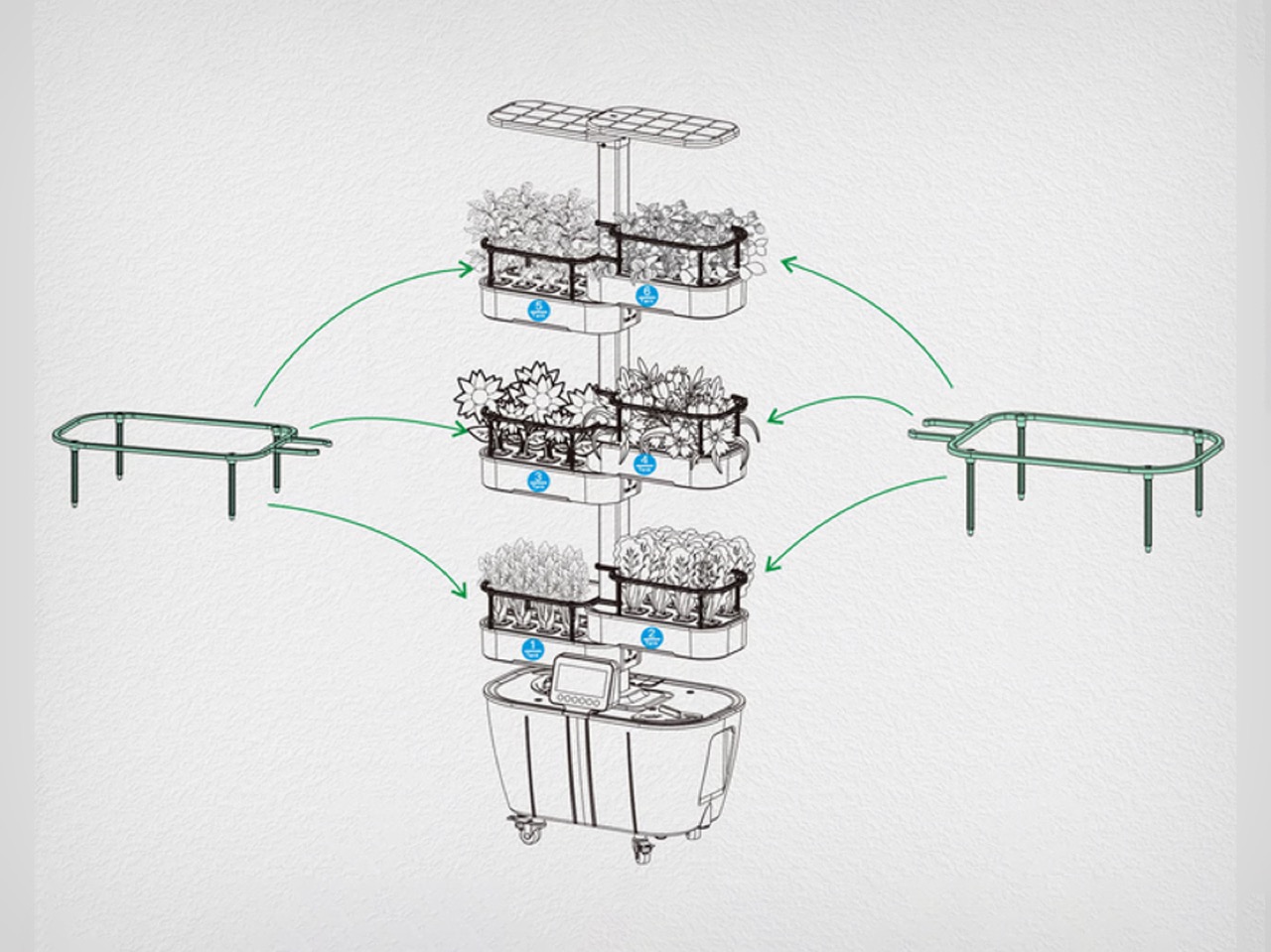
Each tray in the tower is mounted on an adjustable-height column, allowing optimal space for each type of plant. For plants that require extra support, such as tomato vines, the removable trellis provides the necessary support to prevent leaves from falling or plants from emerging from their designated capsule, ensuring healthy growth for every plant within the system.

Tower Options and Production Capacity
Indoor hydroponic towers offer multiple options depending on the space available and the number of plants you wish to grow. There is a four-tier version that accommodates 32 plant capsules, while the six-tier version holds 48 capsules. This flexibility helps users choose the tower that best fits their home space and their vegetable and herb needs.
Hydroponic Essentials
The essential supplies for the system include biodegradable sponges, which come in multipacks, and liquid plant nutrients that can be easily purchased online. It is important to choose balanced nutrients suitable for both leafy and fruiting or flowering plants to ensure healthy and balanced growth for all plants within the tower.
Savings and Production Control
With this system, a small area in the home can be transformed into a productive and sustainable garden, reducing reliance on store-bought vegetables and allowing control over the quality of your food. Using the tower also saves time and effort compared to traditional farming while enabling continuous production throughout the year.
✦ ArchUp Editorial Insight
Home hydroponics, such as the TGTOWFC tower, can be seen as an innovative addition to interior spaces, giving users the ability to integrate fresh vegetables and herbs directly into their daily living design. Among the advantages, these towers provide complete control over plant growth, allowing sustainable production within limited spaces, with the possibility of turning them into aesthetic elements that enhance rooms and corridors, aligning with interior design trends toward green spaces and sustainable environments.
From a broader perspective, there are some challenges and considerations to keep in mind. First, relying solely on hydroponic towers does not address natural lighting and airflow issues in architectural design. They require a continuous electricity source and adequate space to place the towers without obstructing movement within the room. Additionally, initial purchase and maintenance costs may pose a barrier when planning large design projects, especially when integrating these systems into multi-unit buildings or luxury residential developments.
From an architectural standpoint, this technology can be used to enhance green living or serve as an educational element within community spaces such as residential clubs and schools, demonstrating the relationship between interior design and local food production. Towers can also function as plant-based visual dividers or light indoor screens, opening opportunities for new design experiments. However, it remains important to integrate these systems harmoniously within the overall design and not rely on them as the primary solution for achieving sustainability or natural greenery in buildings.
Prepared by the ArchUp Editorial Team
Don’t miss the chance to explore more from Architecture in fields like Buildings and Interior Design on the ArchUp website.


