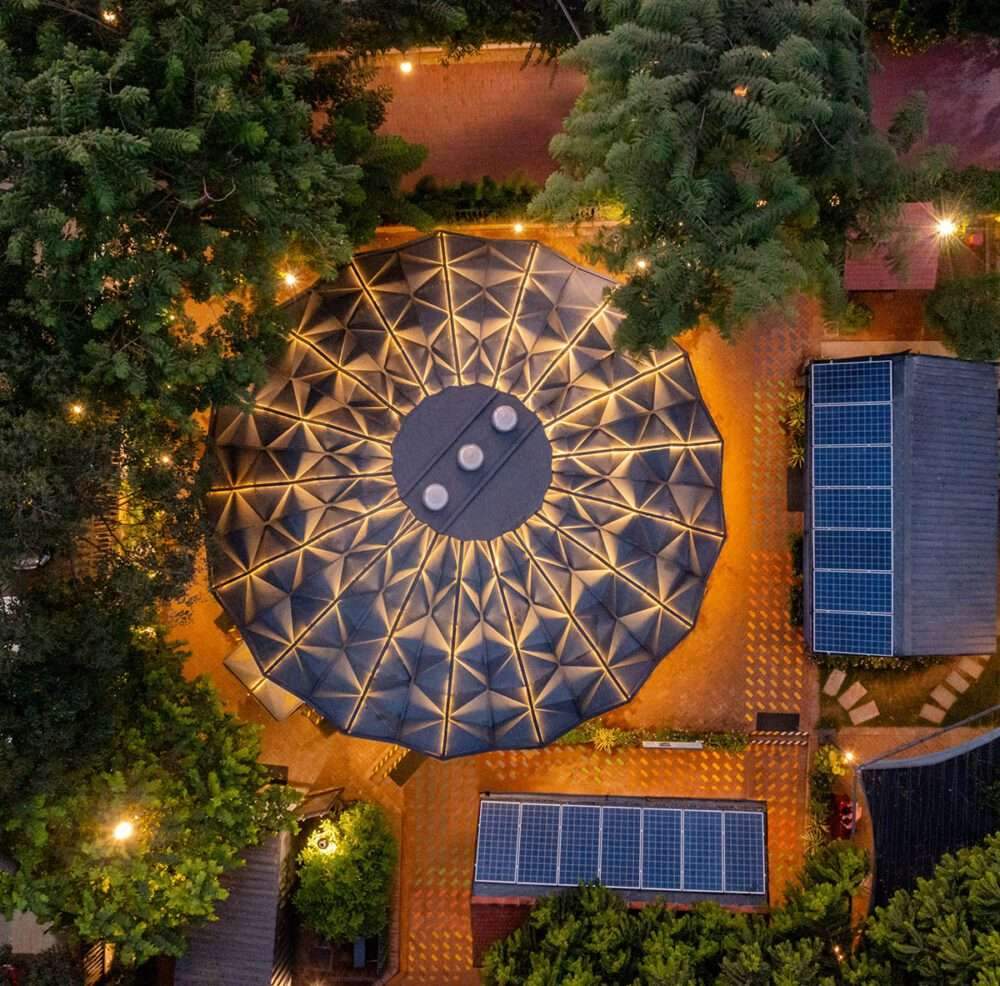
January and February in Architecture: Quiet but Critical


January and February in architecture mark a clear slowdown in public activity. Major openings vanish. News coverage drops. Architectural debate quiets. This pause does not mean work stops. It reflects the industry’s annual operational rhythm on the global architecture platform.
January: The Month of Institutional Silence
January is the quietest month in architectural practice. Firms, clients, and city offices turn inward to close annual budgets, review projects in the archive, reset design priorities, and approve Q1 spending plans. Though these tasks generate no headlines, they directly shape what gets built later.
Design teams in Tokyo, London, and Berlin use January to rethink carbon strategies, prefabrication methods, and reuse of existing buildings. These talks stay internal. No press releases follow.
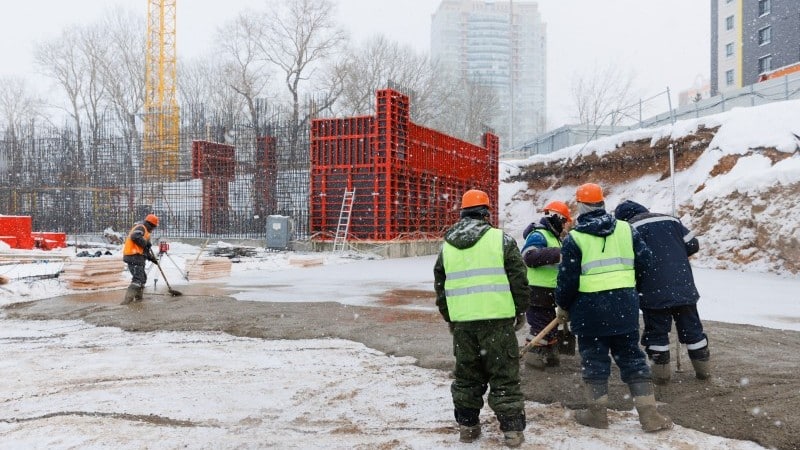
Winter deepens the silence. Most architectural centers lie in the Northern Hemisphere. Cold weather slows construction sites. Exterior finishes halt. Project launches delay. Even completed buildings wait for better light before photographers document them.

February: The Onset of Subtle Movement
February breaks the stillness but gently. It bridges internal planning and cautious public steps.
Teams begin announcing new design competition launches. They publish prequalification notices for public tenders. They reveal results from December competitions. These are real developments. But they lack spectacle.
February favors analysis over announcements. Platforms share research on housing density, adaptive reuse, and urban form. In Japan and Germany, small civic works schools, nurseries, community halls often debut. Their goal is function, not fame.
Architecture measures depth, not noise.

Why Major Projects Avoid These Months
Iconic launches need ideal timing. They require good weather for photography. They align with major events like biennales or design weeks. Those usually start in March or April. Winter also limits work with sensitive building materials, pushing reveals forward.
January and February in architecture serve as essential groundwork. January sets direction. February tests its first signals.
The early year quiet often seeds projects that reshape entire cities. January and February in architecture operate out of sight but with lasting impact.
Architectural Snapshot
The stillness of early year architecture is not absence it is incubation.
✦ ArchUp Editorial Insight
Early year architectural quiet is not seasonal coincidence; it is the predictable outcome of institutional behavior cycles. In January, procurement systems pause while budgets close, risk is recalibrated, and capital allocation is deferred. Financing models prioritize certainty over exposure, freezing public visibility. Regulatory bodies slow approvals as annual compliance frameworks reset. Labor structures shift inward toward planning rather than execution.
February introduces limited motion. Decision-makers test capacity through low risk instruments: competitions, prequalification rounds, and delayed announcements. Insurance logic and weather related construction risk still suppress large scale commitments. Technical teams refine operational models carbon accounting, prefabrication sequencing, and reuse feasibility without triggering public signaling.
These pressures converge into a temporary absence of architectural output. When buildings eventually appear, they reflect decisions locked during this silent window: conservative phasing, optimized massing, and risk averse layouts. January and February do not lack architecture; they encode it in advance.