Sharaan Resort in AlUla: Jean Nouvel’s Design Within the Rock


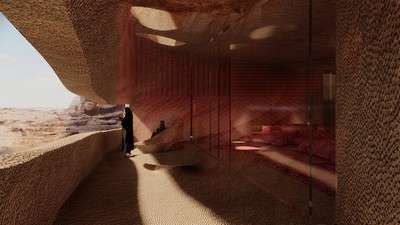
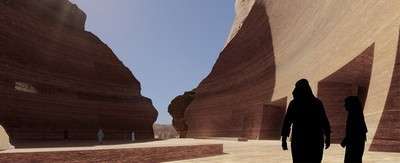
Jean Nouvel’s design for Sharaan resort places hotel spaces within the sandstone formations of AlUla, Saudi Arabia. The proposal explores how rooms, balconies and a circular entrance space can be carved into the rock while maintaining a relationship with the surrounding desert landscape.
According to the French architectural magazine AD France, the new project plans to breathe life into the heritage of that region linked to history, which dates back to pre-Islam and the origins of the Arabs and the Arabian Peninsula, and the Kingdom has embarked on further research through archaeologists who conduct searches for antiquities in various sites. In the region.
The Royal Commission for AlUla commissioned the resort as part of the area’s tourism development. For the broader planning context, ArchUp’s archive coverage of the AlUla master plan for heritage, culture and nature examines the relationship between cultural destinations, conservation and infrastructure.
The famous architect, who designed the most important international buildings and won architectural awards, including the famous Aga Khan Architectural Prize, revealed that the hotel will be a distinctive face in the Kingdom, while Nouvel seeks to make the resort harmonious with nature within the atmosphere and heritage of AlUla.
The project will include 40 rooms, and three villas, all of which will be dug into the rocks. Balconies will overlook the surrounding landscape, and a large circular foyer will be dug into the rock mass to receive visitors.
In order to preserve the spirit of the area, the interior walls of the resort will be left in their natural form, colored sandstone.
Further perspectives on building in the desert
For a different approach to hospitality in the same region, compare Sharaan with the tent-like suites of Banyan Tree AlUla. Placing accommodation within rock and placing lightweight canopies over individual suites produce different relationships between shelter, shade and landscape.
At another scale, the site-specific works of Desert X AlUla offer a cultural perspective on how an intervention can direct attention towards the desert itself. These later archive articles provide comparative reading alongside the original Sharaan proposal.