Why Jeddah Needs a World-Class Art Museum: Rethinking Cultural Infrastructure in Saudi Arabia

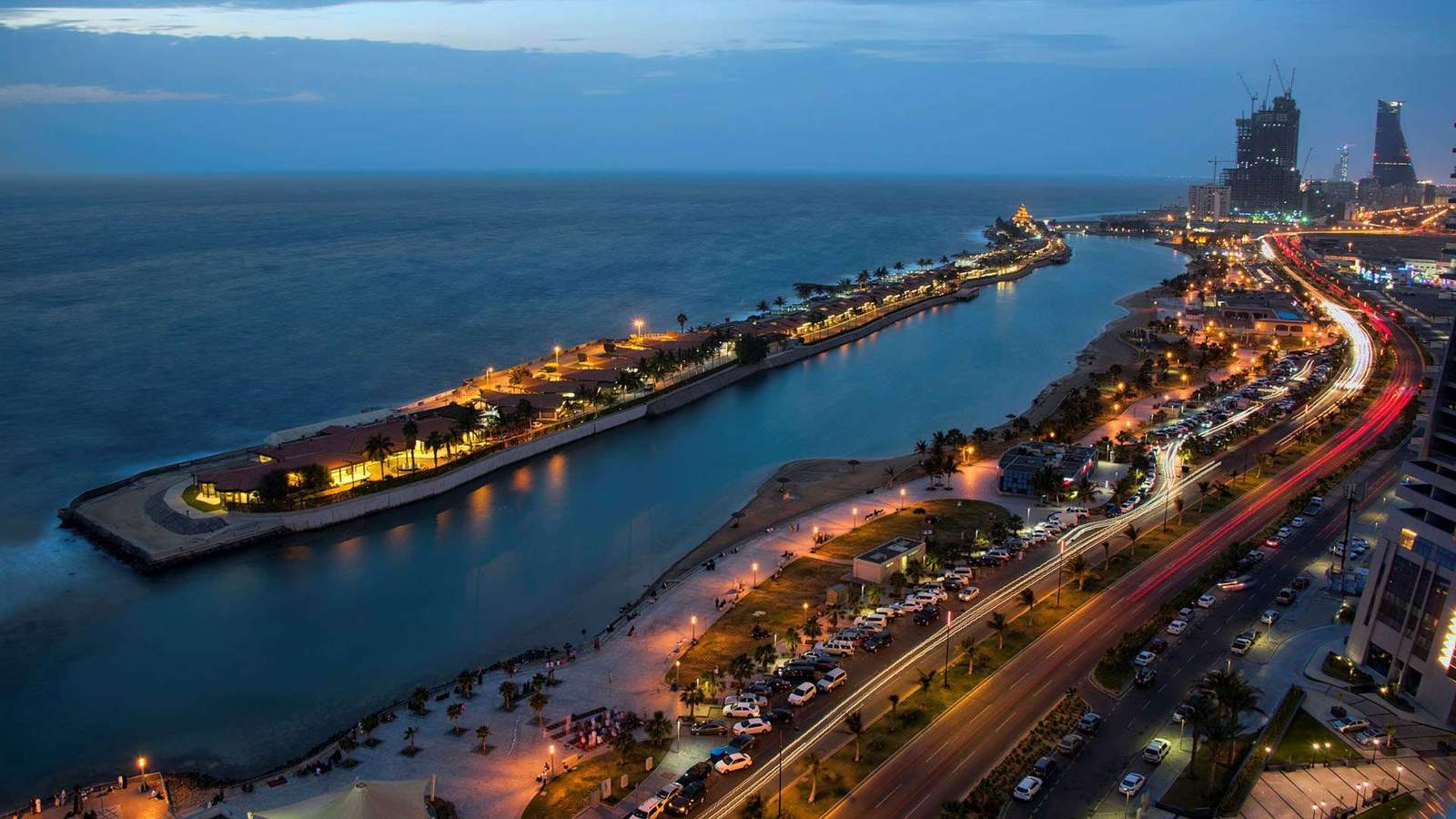
As Saudi Arabia undergoes one of the most accelerated cultural and urban transformations in its modern history, the city of Jeddah stands at the center of this shift. Known as the gateway to the Two Holy Mosques and long considered the cultural shoreline of the Red Sea, Jeddah has the geography, population, and heritage to position itself as a major artistic hub in the Middle East. Yet despite its depth of history and its evolving tourist landscape, the city still lacks a flagship art museum capable of narrating its cultural identity to the world.
Cities across the globe have demonstrated how museums can redefine urban presence. Paris, for example, contains nearly 300 museums; coastal cities from Barcelona to San Francisco rely on cultural institutions to anchor tourism, preserve heritage, and stimulate creative economies. In contrast, Jeddah—despite receiving millions of visitors annually and being home to diverse artistic communities—has only a limited number of museums, many of which are private or not fully equipped to engage international audiences.
The absence of a major public art museum raises questions about how cultural infrastructure is being shaped during Saudi Arabia’s contemporary renaissance. Vision 2030 has paved the way for rapid modernization, new cultural districts, and unprecedented investment in creative industries. Yet the presence of an institution dedicated to art, heritage, and contemporary expression remains a foundational element still missing in Jeddah’s landscape.
Architects and cultural planners in the Kingdom have increasingly pointed to this gap. Saudi architect Ibrahim Joharji of INJ Architects notes that the relationship between architecture and artistic development is becoming central to the nation’s transformation. According to Joharji, the Kingdom’s expanding creative ecosystem—including initiatives such as the Misk Art Foundation—illustrates a rising public appetite for cultural engagement, and a dedicated museum in Jeddah would serve as both a civic anchor and a platform for regional artists.
From an urban-planning perspective, Jeddah holds several advantages: a strategic coastal location, historical districts registered on UNESCO’s heritage list, and a strong tourism base that exceeded six million visitors in recent years. A world-class museum could enrich this trajectory by offering a curated narrative of the city’s evolution—from its Red Sea trade routes to its contemporary architectural expansions.
A museum in Jeddah would not only celebrate the city’s past but also create a space for interdisciplinary collaboration, educational programs, and international exhibitions. As Saudi Arabia opens up cultural channels and invests in creative industries, such an institution would help align Jeddah with global cities that use museums as engines for cultural diplomacy and social development.
The question is not whether Jeddah deserves a major art museum—its history and cultural role already make the case. The real question is when such an institution will emerge, and how it will interpret the city’s layered identity for future generations. In the broader narrative of Saudi Arabia’s cultural shift, establishing a museum in Jeddah is not an architectural luxury, but an essential step in framing the city’s story for the world.
What does Jeddah need?
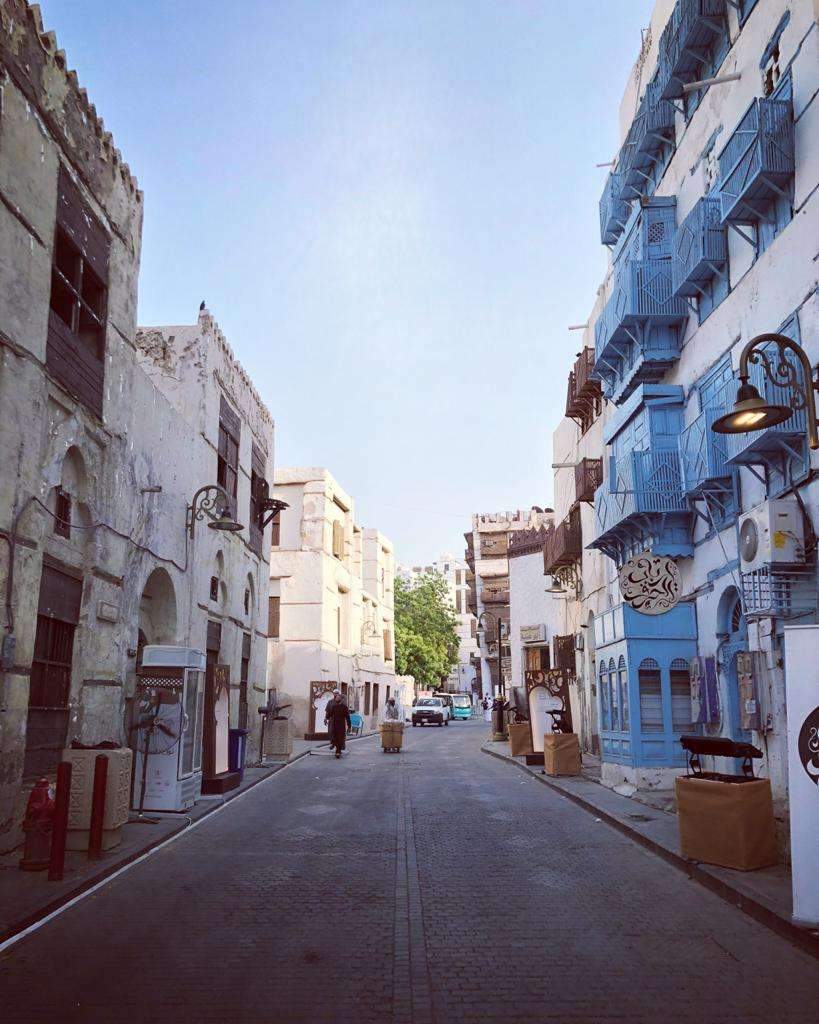
Jeddah has many advantages and features to become the greatest tourist city in the Middle East. It has the largest fountain in the world. It was also called the Gateway of the Two Holy Mosques, because it receives approximately 70% of pilgrims, and this is what makes it the largest port. Its population is approximately 3.9 million, according to the previous survey in 2014, and controls about 32% of the population in the Kingdom of Saudi Arabia. Its real estate and architectural growth is the best and fastest in the Kingdom, which is considered a city with a distinctive footprint and tremendous development.
Through our studies and work, we did not find any worthy museum in the city, so how can a city like Jeddah not have many great museums that narrate its history and present to tourists its splendor and the nobility of its civilization? Some historians have said that Eve descended from Paradise to Jeddah (and this is according to what is said). Previously, the Kingdom had done diligent and continuous work to register historic Jeddah on the UNESCO list of historic sites, and this means that the historical and strategic advantage is guaranteed … So what is missing in this city?