Jegi-dong in Seoul: How Local Residents Transformed a Neglected Neighborhood into a Model for Urban Renewal

With a population density exceeding 42,500 people per square mile (16,000 per square kilometer), Seoul ranks among the top 100 global cities for urban density. As the bustling capital of South Korea, it’s home to over 26 million residents, a dynamic metropolis where cutting-edge modernity coexists with historic landmarks like Gyeongbokgung Palace and Bukchon Hanok Village.
Yet, beyond the glossy skyline and preserved heritage sites lies a different reality. Much of Seoul’s urban fabric isn’t defined by futuristic design or ancient relics but by neglected neighborhoods struggling to adapt. Jegi-dong, in Seoul’s Fifth District, epitomizes this tension a area frozen in the late 20th century while the city around it evolved. Narrow streets choke under traffic, and low-rise buildings strain to support a growing population.
The False Starts of Urban Renewal
Multiple large-scale redesigns were proposed for Jegi-dong, but like many bureaucratic endeavors, they devolved into costly planning limbo. These “tabula rasa” visions lacked actionable ideas, leading to funding shortages and abandoned proposals. By 2018, the latest plan was shelved indefinitely, leaving the community frustrated and the area stagnant.
A Grassroots Revolution: The Birth of Jaegi
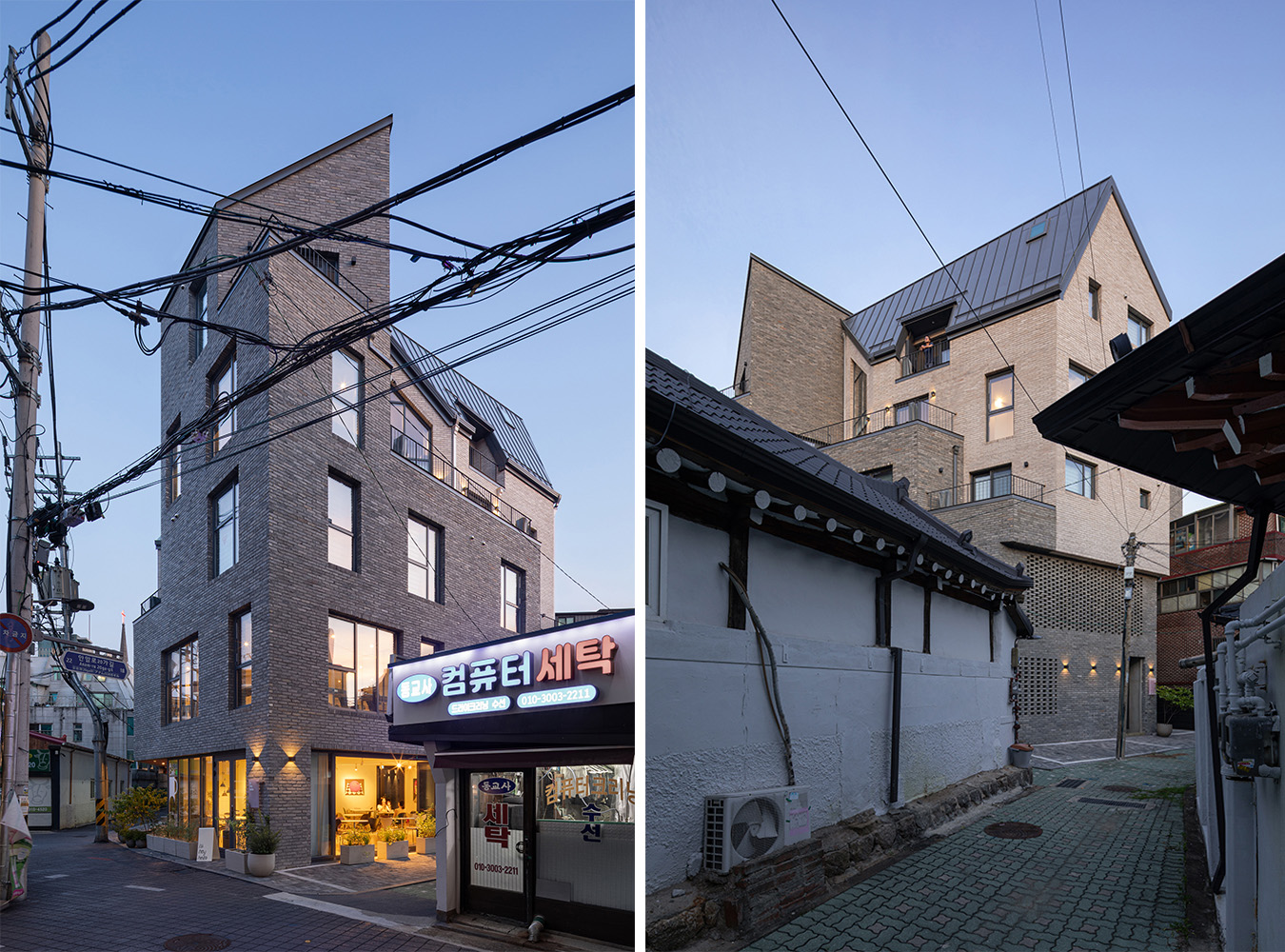
Then, something remarkable happened. Eight local landowners, tired of waiting, pooled their small, fragmented plots. Individually, none could host a transformative project, but togetherwith support from Seoul’s Urban Agency they created Jaegi, a mixed-use development that blends housing, commerce, and community.
- 80 studio apartments for students at nearby Korea University.
- Ground-floor retail spaces: a patisserie, bakery, café, and organic pet store.
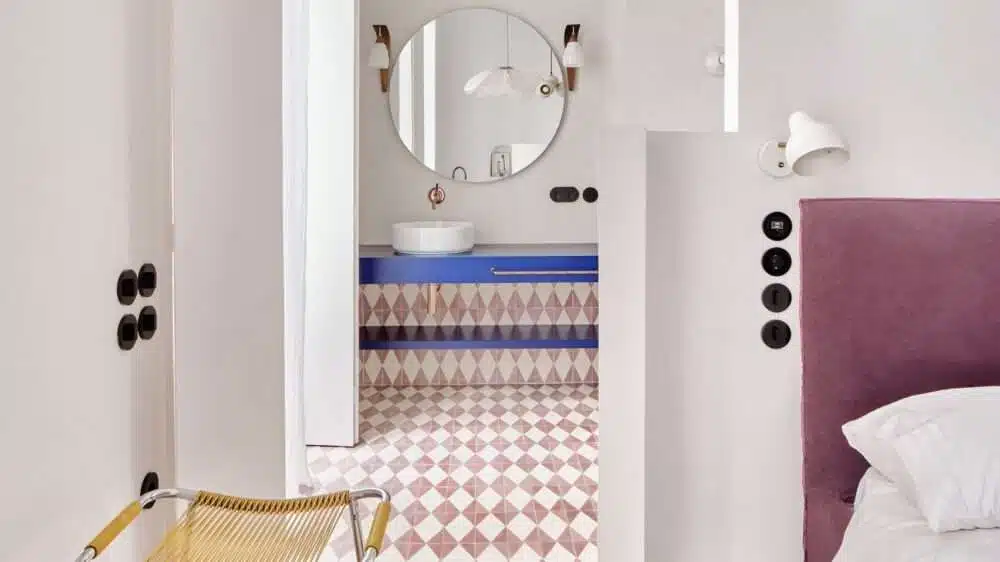
- Cultural hubs: art galleries and a designer lighting boutique.
- Shared amenities: communal kitchens, study lounges, and rooftop gardens.
Jaegi isn’t revolutionary in concept similar models exist worldwide but its top-down execution with community DNA sets it apart. In a country (and world) grappling with the future of communal living, Jaegi offers a blueprint.
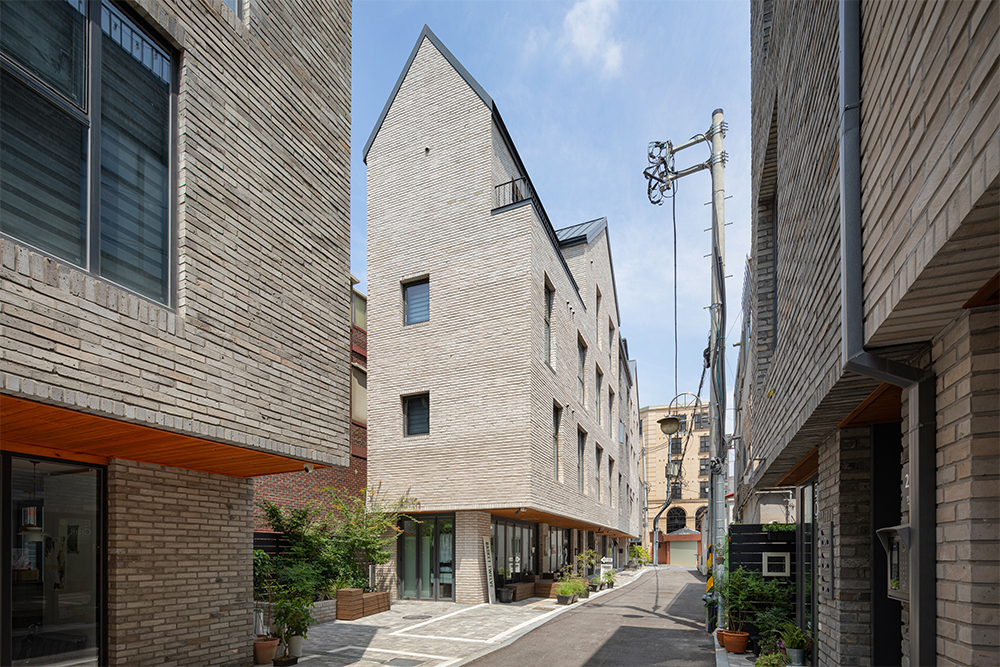
Design That Honors the Past, Serves the Present
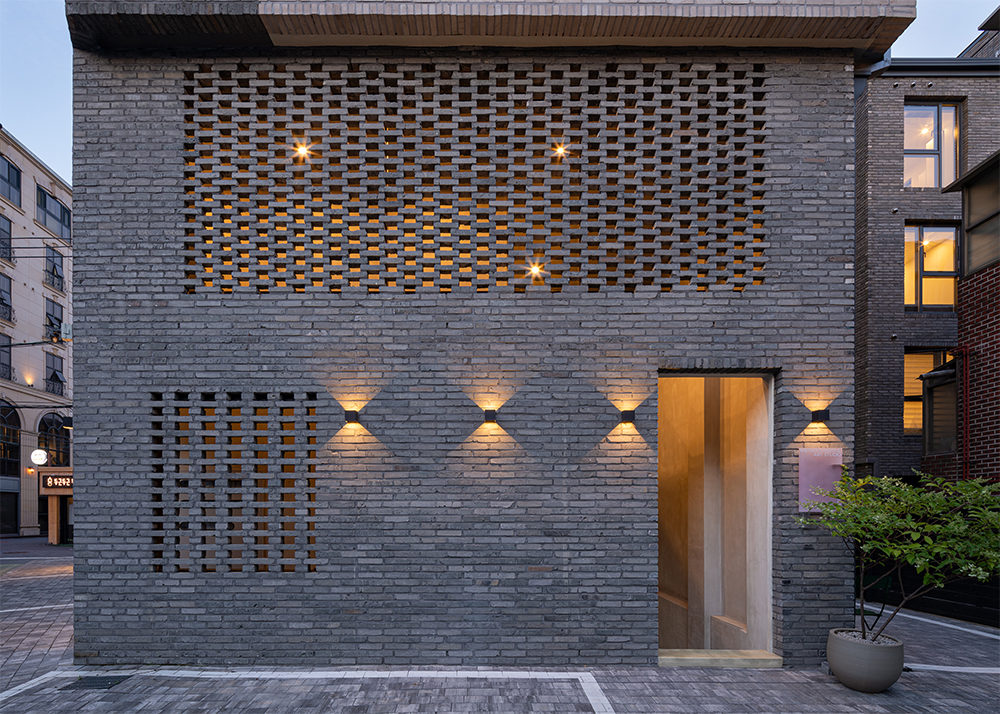
The project’s eight buildings are cohesive yet distinct, with brick façades nodding to Seoul’s traditional row houses. Gaps between structures became public plazas, fostering interaction. Crucially, Jaegi proves that small-scale landowners can drive renewal without selling to megadevelopers retaining ownership while modernizing.
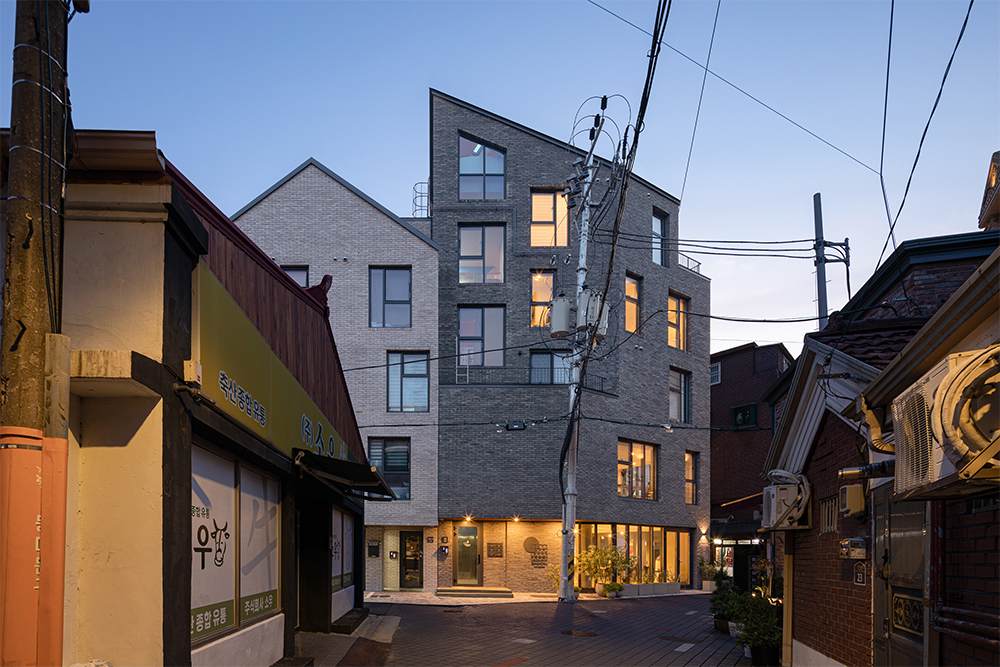
A Global Model? The Challenges of Replication
Could Jaegi’s model work elsewhere? Yes, but with caveats. Its success relied on:
- Local collaboration (landowners with emotional/financial stakes).
- Government partnership (Seoul’s Urban Agency).
- Context-sensitive design (respecting history while innovating).
While replicable in theory, the lack of profit-driven incentives may deter developers. Yet, Jaegi’s real lesson is this: Urban renewal doesn’t require erasure. It demands creativity, patience, and stakeholders willing to prioritize people over profit.
✦ ArchUp Editorial Insight
Seoul’s Jaegi project exemplifies how community-led urban renewal can breathe life into neglected neighborhoods, blending modernity with cultural continuity. While the approach isn’t novel, its execution rooted in collaboration rather than corporate control offers a refreshing antidote to homogenized urban development. Critically, the model’s reliance on local buy-in may limit scalability, as few cities have Seoul’s unique mix of civic engagement and institutional support. Yet, Jaegi’s greatest triumph lies in its proof that small-scale, emotionally invested stakeholders can achieve what billion-dollar developers often overlook: a neighborhood that truly serves its people.
Explore the Latest Architecture Exhibitions & Conferences
ArchUp offers daily updates on top global exhibitions, conferences, and professional art and design forums.
Follow key competitions, check results, and stay informed through the latest newsworldwide.
ArchUp is your encyclopedic hub for discovering events and design-driven opportunities across the globe.