For All That Breathes on Earth: Exploring the Creativity of Jung Youngsoon and Korean Landscape Architecture at the San Marco Arts Center

Opening of the San Marco Arts Center (SMAC) and Its Architectural Renovation
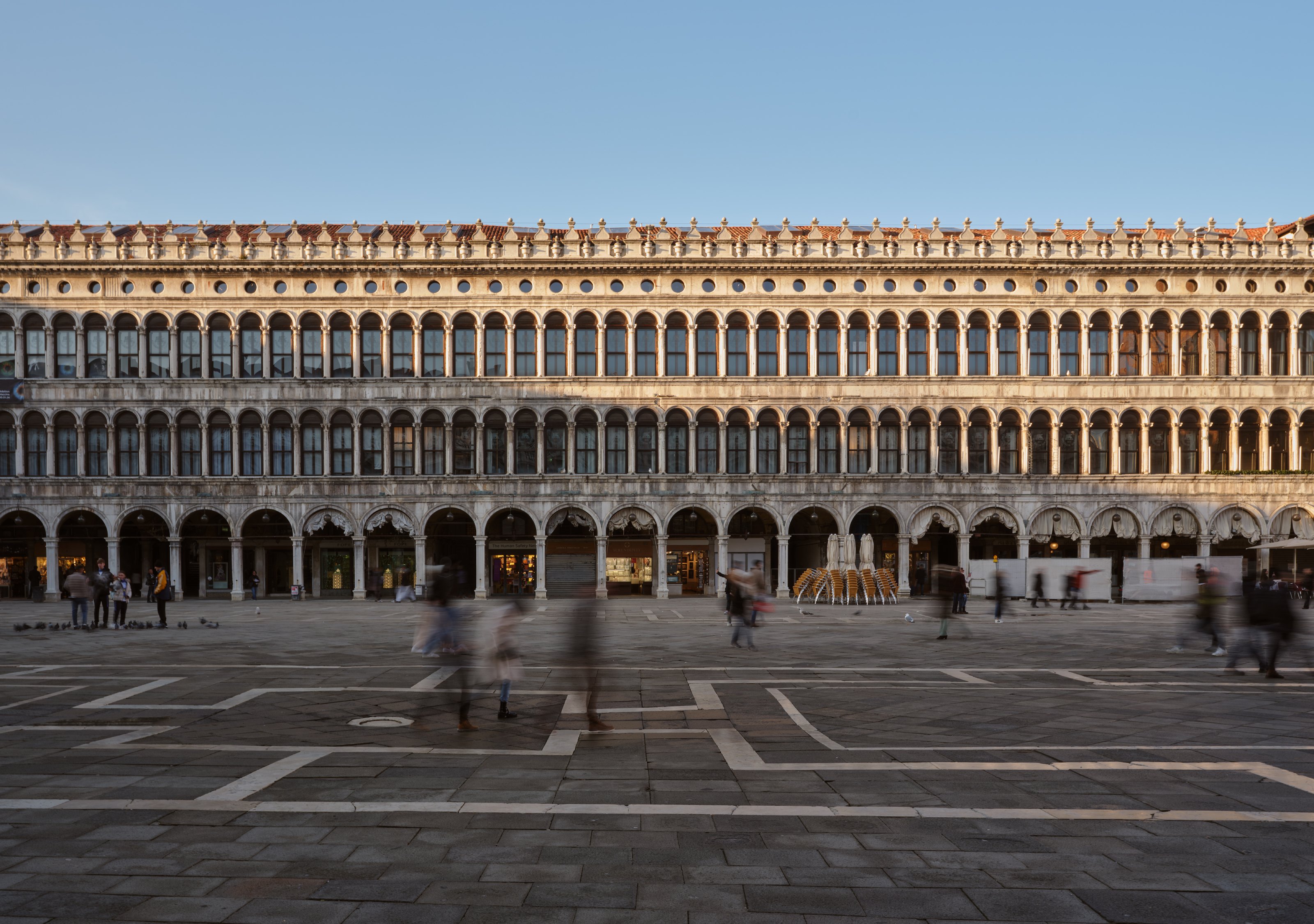
The opening of the San Marco Arts Center (SMAC) after a comprehensive renovation, overseen by the David Chipperfield Architects office, marked a turning point in the city’s cultural and artistic scene. This event clearly contrasted with the widespread presence of old and new pavilions that had spread across several locations such as the Arsenale and the gardens.
This renovation represents a modern model of interaction between heritage and innovation, where the classical architectural character was integrated with contemporary touches that meet the demands of the modern art space.
“For All That Breathes on Earth”: Exploring the Creativity of Jung Youngsoon in Landscape Architecture
The exhibition “For All That Breathes on Earth” is one of the two inaugural shows at the San Marco Arts Center (SMAC) in Venice for 2025, showcasing the life and work of the distinguished architect Jung Youngsoon, who is considered one of the most influential figures in landscape architecture in South Korea.
Jung Youngsoon founded Seo-Ahn Total Landscape (STL) in 1987, and through this exhibition—first presented at the National Museum of Modern and Contemporary Art, Korea (MMCA)—her prolific career, which has not received sufficient attention in the West, is brought to light.
Moreover, the exhibition offers an in-depth perspective on the evolution of the landscape architecture discipline in South Korea, a field that was relatively little understood within Korean society, making this work an important window into the culture of environment and design in the region.
Jung Youngsoon: Pioneer of Land Development Engineering in South Korea
Jung Youngsoon was born in 1941 and distinguished herself as the first Korean woman to earn the title of “Land Development Engineer.” Her encouragement to enter this field came at a critical period in South Korea’s history, as the country was striving to rebuild its infrastructure, economy, and national identity after many years of Japanese occupation and the subsequent civil war with the North.
This historical and political context played a central role in shaping her career path, making her achievement a prominent example of overcoming social and technical barriers during an era that was still witnessing a radical transformation of the nation’s identity and society.
Jung Youngsoon’s Impact on South Korea’s Economic and Cultural Landscape through Landscape Architecture
The exhibition traces the development of Jung Youngsoon’s work within the context of South Korea’s economic and cultural rise, highlighting in particular what is known as the “soft power of landscape architecture.”
Through this lens, one can follow the designer’s contributions to prominent projects, such as the integration of the Athletes’ Village for the 1986 Asian Games and the 1988 Summer Olympics in Seoul. Additionally, Jung organized and coordinated the landscaping surrounding the national pavilions during the 1993 Daejeon Expo, reflecting the importance of environmental design in strengthening national identity and cultural communication.
Archival Materials and Diverse Projects Highlighting the Range of Jung Youngsoon’s Work
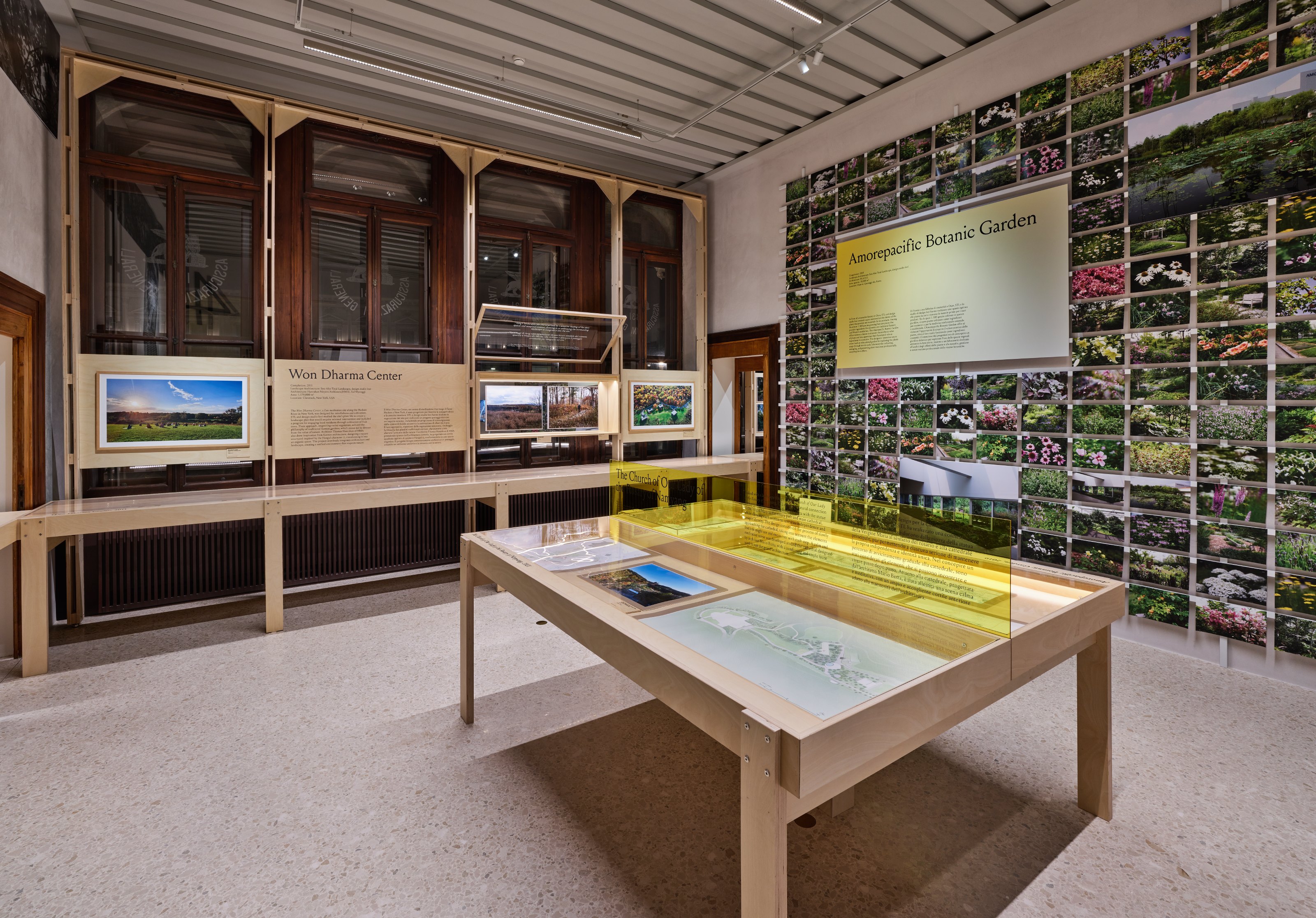
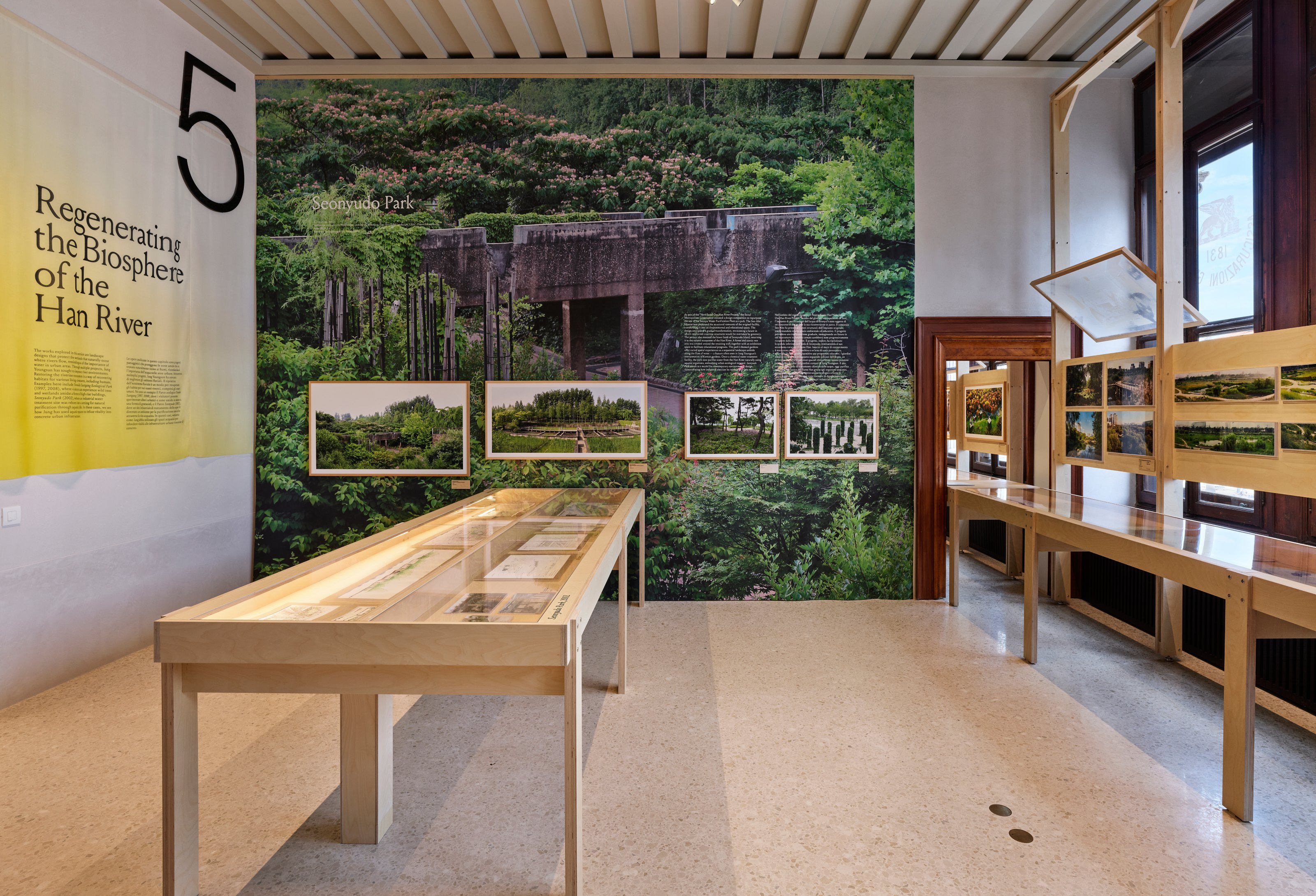
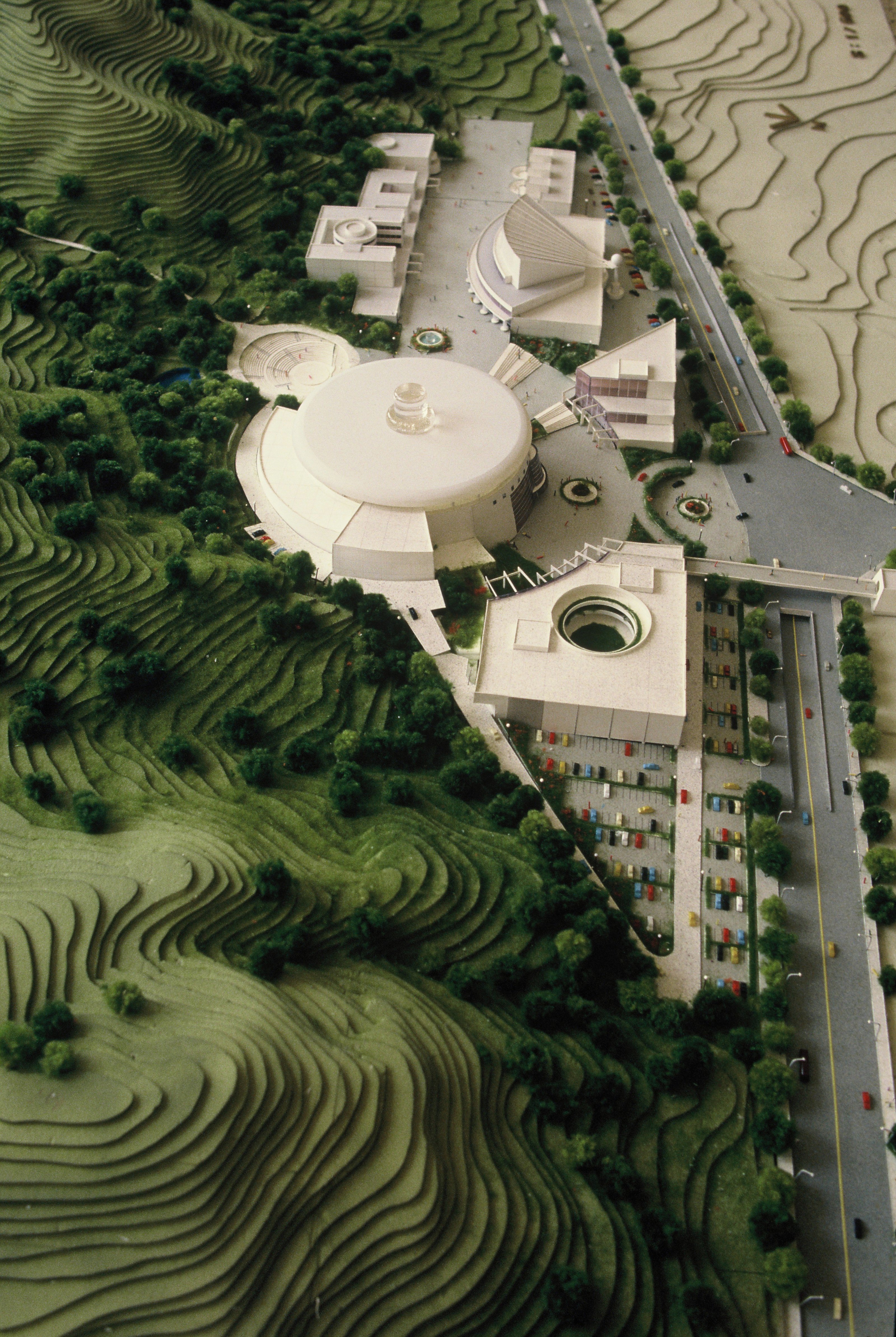
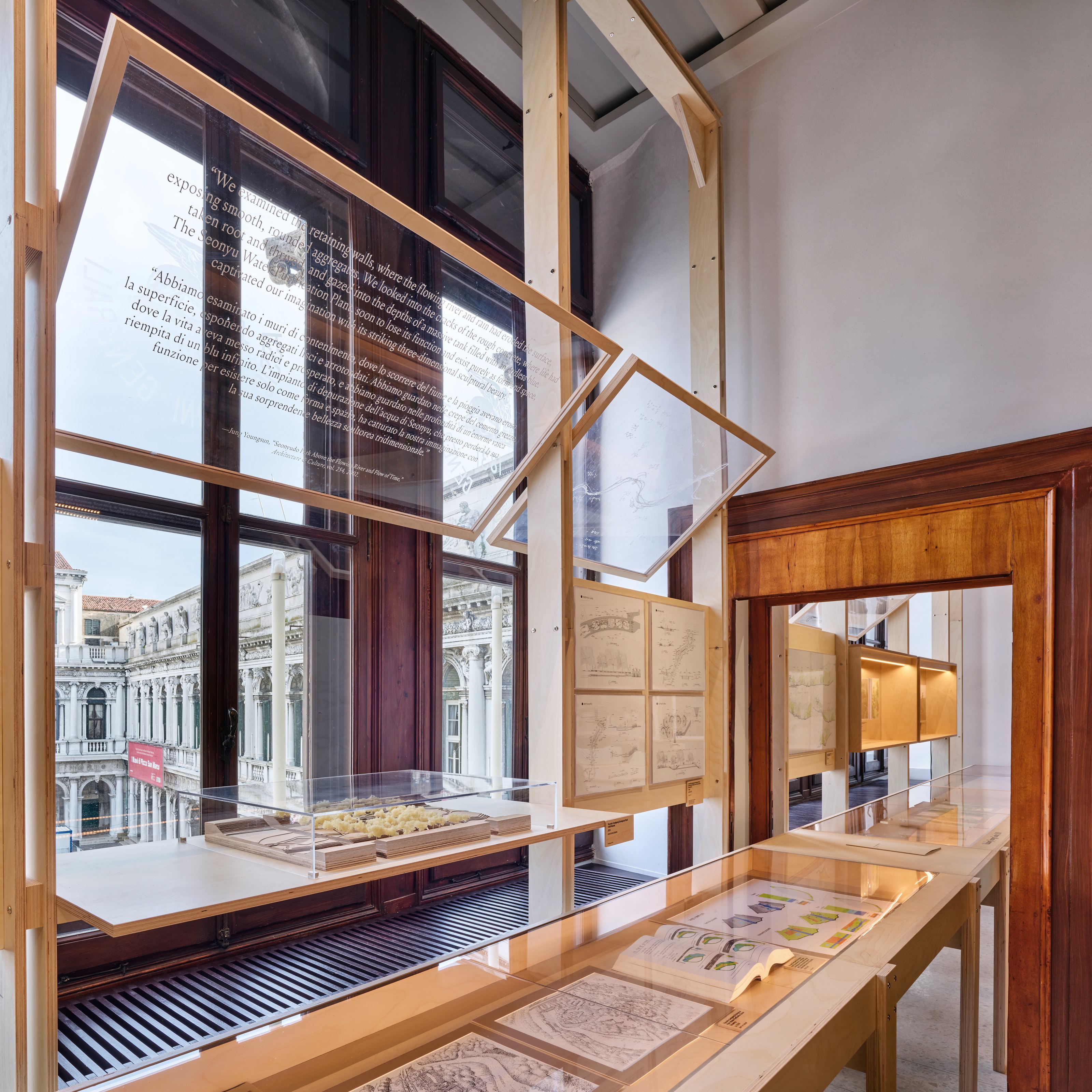
The exhibition includes over 300 archival items, featuring large-scale plans and models, alongside a wide collection of photographs and videos. The display presents 24 diverse projects, ranging from major works such as the Gyeongcheon Line Forest Path (2015–2017), reminiscent of South Korea’s High Line project, to more intimate spaces like the “healing” gardens that provide private areas for patients at the Asan Medical Center.
Korean birch wood was also used in the construction of cabinets and glass facades, which will be repurposed in upcoming SMAC exhibitions. These facades were carefully designed to align with the pathway connecting the various exhibition spaces within this former office building.
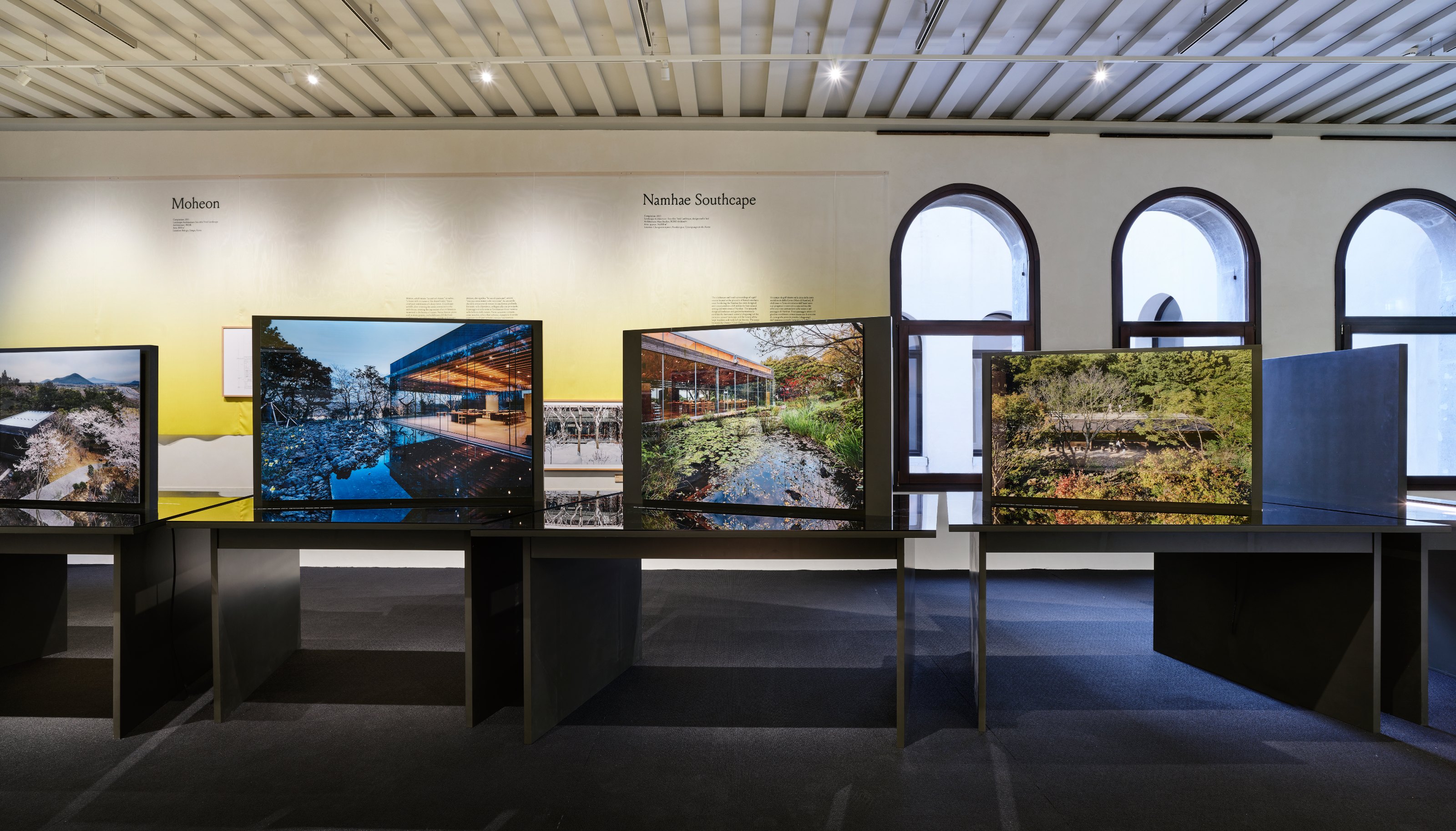
It is also notable that the exhibition information is printed on traditional Korean fabric dyed yellow, a symbolic tribute to the saffron flowers growing in the designer’s own garden, adding a cultural and emotional dimension to the display.
Collaboration with Architects and the Korean Approach to Garden Design
Jung Youngsoon has worked extensively with several renowned architects such as Mario Botta, MASS Studies, Hanrahan Meyers, and David Chipperfield. Among her most notable projects is the collaboration with Chipperfield on the design of the Sky Gardens at Amorepacific’s headquarters in Seoul, where these gardens feature three openings planted with maple trees that distinctly reflect seasonal changes.
Throughout all these projects, regardless of their scale, Youngsoon emphasized adopting an authentic Korean approach to garden design, characterized by being less formal compared to Japanese traditions and more intimate compared to the grand Chinese layouts.
Instead of relying on rigid traditional designs, Youngsoon employs the concept of “borrowed landscapes,” which involves working with the existing environment, enhancing and beautifying it through planting—whether these environments are abandoned industrial ruins, urban gardens, or even small-scale home gardens.
The Healing Power of Nature in Jung Youngsoon’s Vision
Jung Youngsoon and STL stand out with a strong belief in nature’s power to heal and renew. Youngsoon expresses this belief by saying:
“Just as seeing a rainbow in the sky makes our heartbeat quicken, I hope that the gardens we care for, nurture, and tend to become a source of inspiration and a moment of healing and recovery for everyone.”
These words summarize the design philosophy she embraces, where gardens transcend being mere aesthetic spaces to become psychological and spiritual catalysts that enhance human well-being.
Exhibition Continuity and Cultural Significance
The exhibition “For All That Breathes on Earth: Jung Youngsoon and Collaborators” runs until mid-July 2025, providing a broad opportunity to explore the development of landscape architecture in South Korea.
The exhibition serves as a window into understanding how natural designs contribute to strengthening the country’s cultural and economic identity, highlighting the importance of integrating natural elements into modern urban planning.