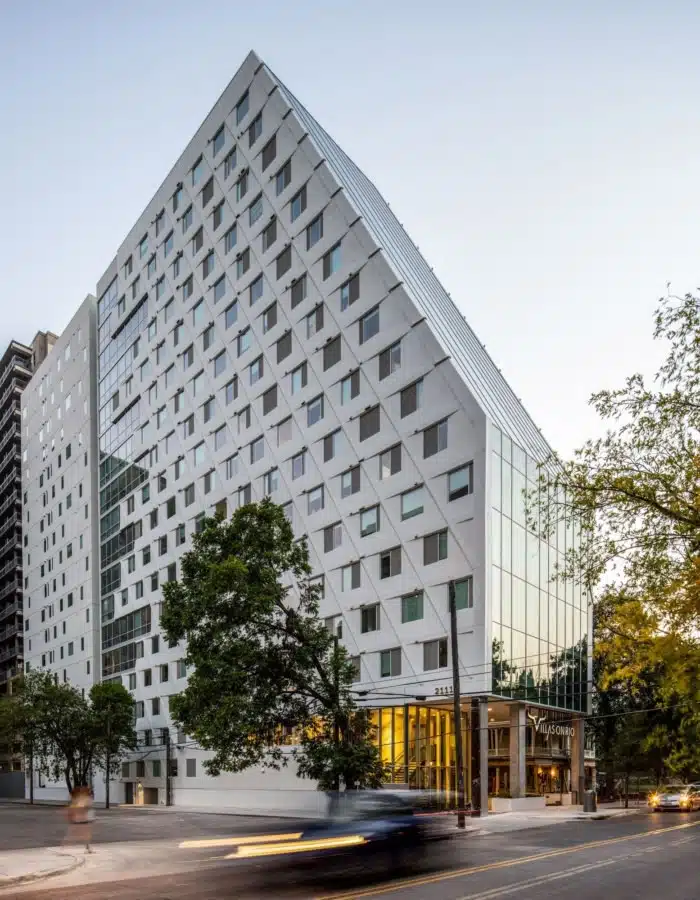
Koreans Living in Japan and the Role of Korean Schools: Bridging Heritage and Community

Koreans in Japan: A Legacy of Resilience
The term Koreans living in Japan (Zainichi Koreans) refers to individuals who migrated from the Korean Peninsula during or after the Japan-Korea Annexation in 1910, as well as their descendants. Despite facing historical discrimination and challenges to cultural preservation, this community has maintained its identity through language, education, and collective solidarity.
Korean Schools: Guardians of Identity
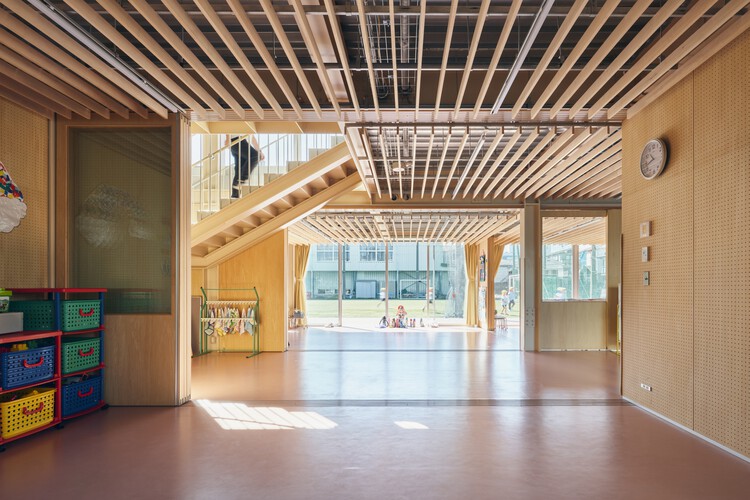
Korean schools serve as vital institutions where young Zainichi Koreans learn about their heritage, language, and history. Currently, 51 Korean schools operate across Japan, acting as cultural anchors. Among them, Kawasaki Korean School (established in 1946) stands as a testament to perseverance, with just 40 students across its preschool and primary divisions.

Innovative Design: Expanding Space Through a Tiered Terrace
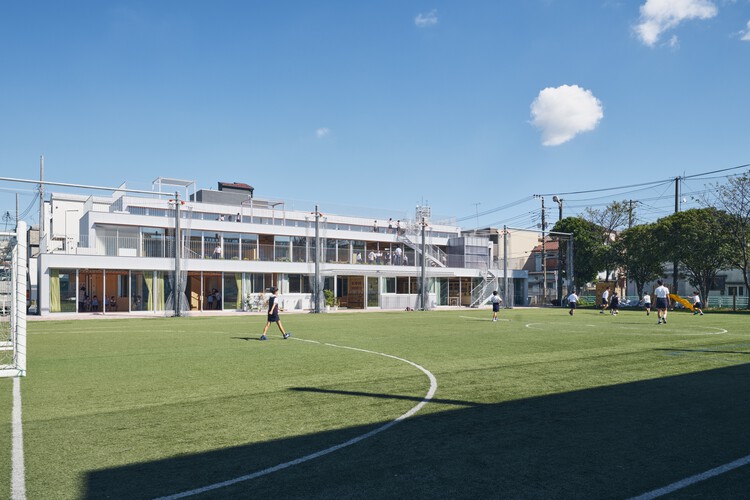
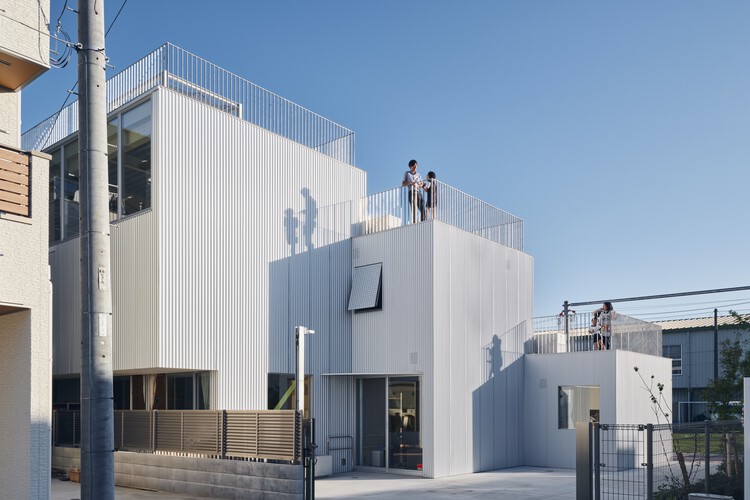
When part of the school’s land was sold to fund a new building, concerns arose about reduced play space for students. The solution? A creative three-tiered terrace that extends the schoolyard vertically. This open, multi-level design not only compensates for lost ground space but also encourages dynamic play and interaction. The terraces blend seamlessly into the school’s daily life, offering a vibrant setting for activities.
A Stage for Community Integration
Historically, Korean schools in Japan have faced isolation due to societal discrimination. This project intentionally reverses that narrative by turning the terrace into a visible, interactive stage for the neighborhood. Children playing on the terraces become part of the local scenery, fostering organic connections with the surrounding community. The design embodies openness, transforming the school into a shared landmark rather than an insular space.
Engineering Ingenuity: Adapting to Challenging Terrain
Located near Kawasaki Port’s reclaimed coastal land, the site sits on ultra-soft ground. Instead of costly deep piling, the team adopted a ground replacement method:
- Excavated soil weight equals the building’s weight to prevent uneven settlement.
- Polystyrene foam beneath concrete slabs adjusts balance, cutting costs.
- A lightweight steel frame minimizes structural load, enabling this approach.
Flexible Spaces for Future Needs
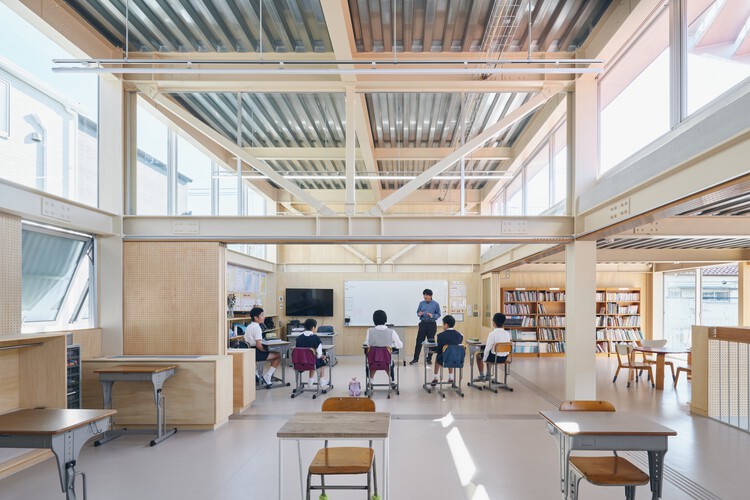
The building uses an open rigid frame structure with strategic bracing, prioritizing adaptability. Key features include:
- Collapsible doors that merge classrooms with common areas.
- Modular spaces to accommodate evolving educational needs.
- A design philosophy that anticipates long-term usability.
A Symbol of Hope and Connection
The tiered terrace is more than architectural innovation it’s a bridge between cultures. By inviting the outside world into the school’s daily rhythm, the project redefines Korean schools as beacons of openness, fostering mutual understanding in a historically divided context.

✦ ArchUp Editorial Insight
This project reimagines the Korean school as a dynamic nexus of education and community, using architecture to confront historical isolation. The terrace brilliantly addresses spatial constraints while symbolizing inclusivity, though the narrative could delve deeper into how students and locals perceive this integration quantifying social impact would strengthen its case. Despite this, the fusion of pragmatic engineering (like the ground replacement method) with symbolic openness sets a bold precedent. It’s a reminder that design can heal divides, turning marginalized spaces into shared sources of pride.
Explore More with ArchUp
ArchUp documents the evolving profession of architects worldwide, from career insights and research to project profilesand industry news. Our editorial team publishes global salary trends, career advice, and opportunities for emerging talents. Learn more on our About page or Contact us to collaborate.