Loft Design: Industrial Charm or Polished Poverty?

Introduction
Loft-style interiors have become a bold, trendy choice in the world of design. Exposed concrete, high ceilings, and visible pipes are now seen as hallmarks of modern sophistication. But is this style a reflection of new-age taste, or are we living in spaces inspired by austerity, now dressed up as high-end aesthetics?
What Exactly Is Loft Design?
Loft design goes beyond decor—it’s a lifestyle expression. It originated in 1960s New York, when artists and creatives began transforming abandoned industrial buildings into open, livable workspaces. They were affordable, spacious, and didn’t follow traditional architectural norms.

Key Features of Loft Design:
| Element | Description |
|---|---|
| Space | Wide open, minimal or no interior partitions |
| Materials | Raw brick, exposed concrete, metal, and natural wood |
| Lighting | Large windows offering plenty of natural light |
| Overall Style | Industrial, minimalist, and often cool-toned or neutral |
From Warehouses to High-End Living
Ironically, the loft—once a low-budget necessity—has evolved into a premium real estate product.
Loft apartments in cities like New York, London, and Berlin are now sold at luxury prices, even though their aesthetic is based on a “raw” and unfinished look.
What was once a creative solution for survival has now become a symbol of urban elegance.

The Design Dilemma: Are We Glorifying Poverty?
At the heart of this design trend lies an important question:
Do we genuinely appreciate the aesthetics of lofts, or are we simply captivated by the romanticized version of industrial poverty?
Some critics argue that the trend beautifies what was once considered bleak or neglected—turning neglected infrastructure into a high-priced fashion statement.
A Table of Contradictions:
| Feature | Originally | In Loft Design |
|---|---|---|
| Exposed Concrete | Unfinished or due to low budgets | A bold and trendy visual choice |
| Visible Pipes | Functional, for easy maintenance | Decorative and intentionally raw |
| No Interior Walls | Cost-cutting necessity | A statement of openness and freedom |

Is It for Everyone?
Despite its appeal, loft-style living isn’t ideal for every lifestyle. Families, for example, might struggle with the lack of private rooms or cozy corners. The industrial aesthetic can also feel cold or impersonal for those who prefer warm, classic interiors.
✦ ArchUp Editorial Insight
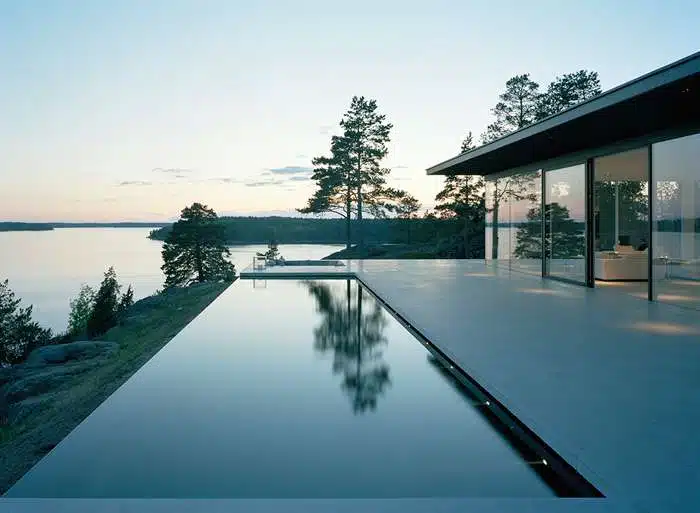
This article examines loft design as a blend of industrial rawness and modern sophistication. The visuals highlight signature elements like exposed concrete, high ceilings, and open-plan spatial layouts—creating a stark yet intentional aesthetic. However, the narrative raises an implicit critique: does this style romanticize poverty by elevating unfinished materials into premium design? While the imagery is conceptually coherent, the spatial function and long-term comfort of such layouts remain underexplored. Still, the article effectively frames loft architecture as a cultural shift—redefining how we perceive luxury through minimalism and spatial openness.
Explore the Latest Architecture Exhibitions & Conferences
ArchUp offers daily updates on top global architectural exhibitions, design conferences, and professional art and design forums.
Follow key architecture competitions, check official results, and stay informed through the latest architectural news worldwide.
ArchUp is your encyclopedic hub for discovering events and design-driven opportunities across the globe.