Luxury Housing Sales Gap Widens Between London and Dubai

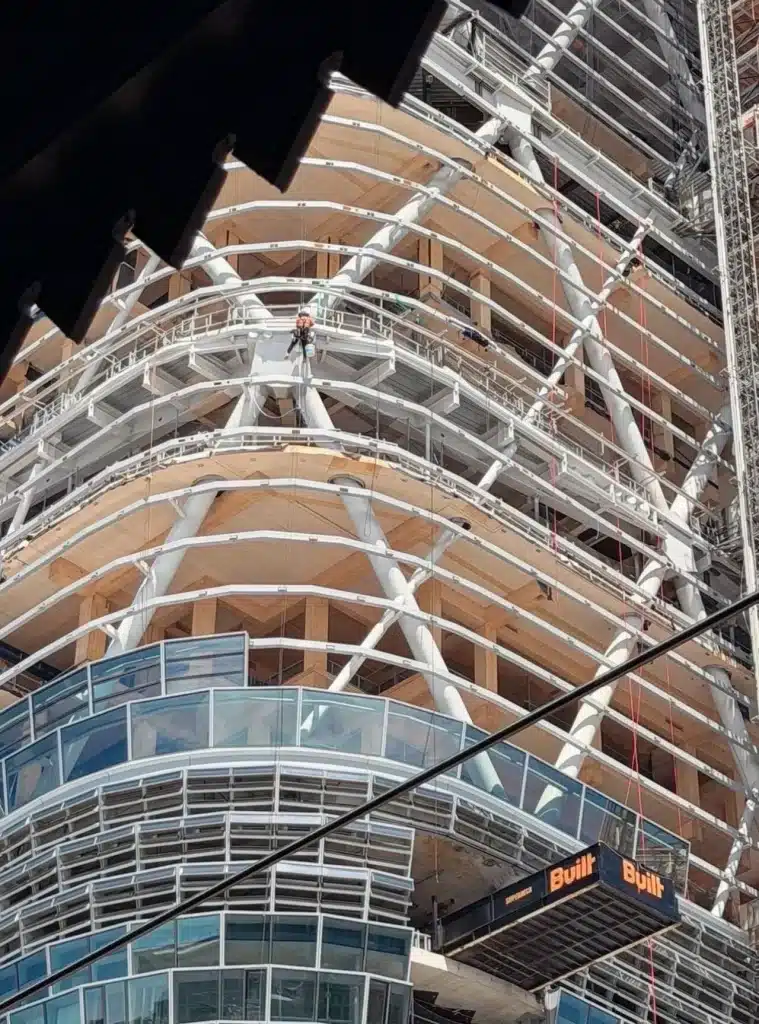
The gap between luxury home sales in London and Dubai has widened this year, with the British capital set to record its worst performance since 2020, while Dubai has already surpassed post-pandemic record levels.
London’s Market Declines
Data from Savills shows that home sales exceeding £5 million in the first nine months of 2025 dropped by 18% compared to the same period last year, putting the market on track for its lowest level since the COVID-19 pandemic.
During this period, around 120 homes worth $10 million or more were sold in London, roughly one-third of the number of deals in Dubai, according to Knight Frank.
Becky Fatemi, Executive Partner at UK Sotheby’s International Realty, said, “The government spent months proposing ideas that worried both buyers and sellers in the upper segment of central London.” She added that London house prices fell for the sixth consecutive month in October, marking the longest decline since the global financial crisis.
A Different Picture in Dubai
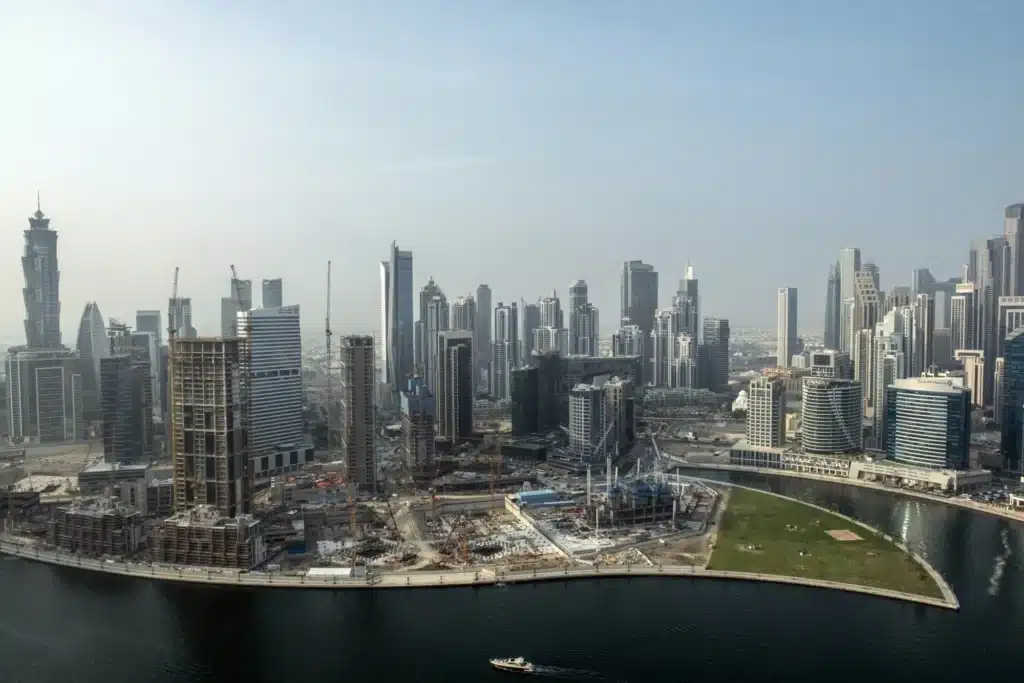
In contrast, Dubai shows a different trend, with luxury residential communities driving price growth. Property values have risen around 70% since the end of 2019. The city’s population reached four million earlier this year and is expected to hit five million by 2030, indicating continued market momentum, according to Savills.
However, industry experts warn of a slowdown after an unparalleled five-year growth period.

Dubai as a Hedge Fund Hub
The inflow of foreign residents fueling Dubai’s property boom is expected to continue. Citadel, led by Ken Griffin, plans to open an office in the city, becoming one of the last major hedge funds to establish a presence in the UAE.
Gerald Bisson, Citadel’s COO, said, “The Dubai office will provide the region’s strong talent base with attractive career development opportunities.” The move will also enhance Citadel’s round-the-clock trading capabilities and deepen relationships with established companies in the Gulf region.
✦ ArchUp Editorial Insight
The contrasting trajectories of London and Dubai’s luxury residential markets reveal divergent approaches to urban development and architectural value in high-end housing. London’s market decline, with an 18% drop in £5 million-plus sales, underscores challenges in maintaining Contextual Relevance and functional resilience within a historic urban fabric constrained by regulatory uncertainty and limited spatial flexibility. Conversely, Dubai’s post-pandemic boom, driven by master-planned luxury communities and robust population growth, exemplifies Contemporary urban expansion emphasizing material expression, scale, and amenity-rich environments. However, such rapid growth invites questions about long-term social integration, environmental sustainability, and the adaptability of architectural forms to market volatility. Ultimately, Dubai’s momentum reflects a deliberate architectural ambition to position the city as a global hub for high-end living and investment.