New Urban Works Revitalize Landmark Marbella Luxury Development

A significant Marbella luxury development is finally advancing after years of delay. This renewed momentum follows the recent municipal approval of a €9 million urbanization contract. The project is set to redefine the city’s eastern landscape. This latest announcement brings a major resort and residential complex back to life, promising a significant transformation of the area. Consequently, the development is once again a focal point of the region’s growth.
A Project Reborn Through Infrastructure
The project, first announced in 2018, faced considerable administrative hurdles. These challenges slowed its progress for nearly seven years. However, the Marbella Town Hall has now approved crucial site work, signaling a fresh start. The approved budget specifically covers extensive construction and urbanization works at the Río Real site. This renewed effort is a key step in realizing a masterplan that integrates high-end tourism with residential living. This ambitious vision for urban planning is crucial for the future of Marbella’s cities.
Architectural Scope and Future Timeline
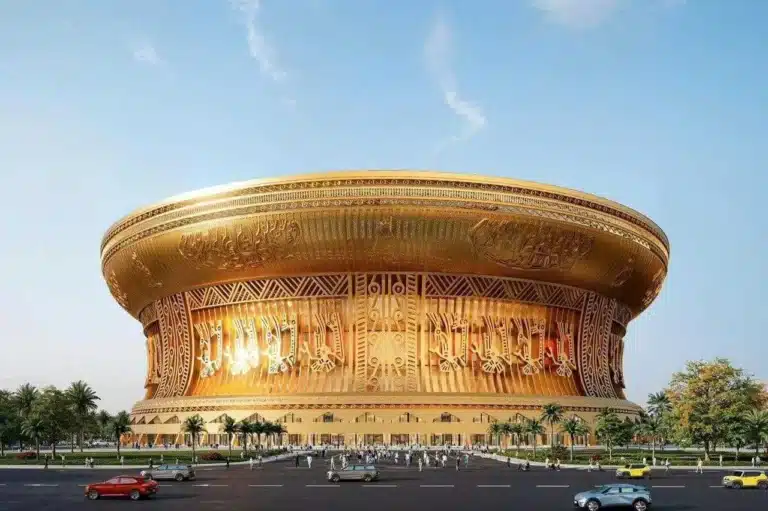
The development’s architectural design is expansive. It covers a total area of 325,000 square meters. The plan includes a five-star hotel with approximately 200 rooms. Additionally, 486 private residential units will be built, with more than half designed as single-family homes. The overall plan allocates over 100,000 square meters to public-use facilities. These will include new parks, sports equipment, and cultural spaces, enhancing the community’s resources. Looking at the timeline, developers expect to launch pre-sales in early 2026. Moreover, they aim to secure building licenses by the end of the year. The first phases of the buildings should be complete by 2028, with the entire project finished by 2031. This timeline suggests a phased approach to both construction and sales, similar to other large-scale past projects.

Enhancing Connectivity and Public Space
The urbanization plan includes major upgrades to local infrastructure. Planners have designed sound barriers to be installed along both sides of the A-7 motorway. A new pedestrian bridge will also improve access near Teniente Riera street. Furthermore, the plan features a service road extension, a new north-south underpass, and a modern roundabout. These improvements aim to manage traffic flow effectively. The resort itself will feature world-class restaurants, a beach club, and wellness facilities. The new interior design will set a benchmark for luxury. It will also provide state-of-the-art conference spaces, adding a valuable asset to east Marbella. This focus on integrated design and sustainability is a core part of the global architecture platform.
This ambitious project will create thousands of direct and indirect jobs during its construction and operational phases.
What impact will this large-scale Marbella luxury development have on the region’s architectural identity?
A Quick Architectural Snapshot
This expansive 325,000-square-meter site in east Marbella dedicates 220,000 square meters to a luxury hotel and 486 residential units. The masterplan includes over 100,000 square meters for public amenities, featuring new roads, parks, and cultural facilities, fundamentally reshaping the local urban fabric with significant new construction.
✦ ArchUp Editorial Insight
The seven-year administrative delay, followed by the approval of a €9 million urbanization contract, signals a common pattern in high-value coastal development. The total projected cost of €650 million necessitates a financial model that mitigates long-term risk. Consequently, the pairing of a hotel with 486 private residential units is a decision driven by capital, not concept. Pre-selling residential units de-risks the significant upfront investment in hotel and infrastructure construction.
This economic framework makes a specific architectural outcome highly probable: a phased, large-scale masterplan optimized for speed of delivery and sales absorption. The resulting form is the physical manifestation of a risk-averse financial strategy operating within a slow-moving regulatory system. The architecture itself is the final, logical step in a process dominated by economic and administrative pressures.