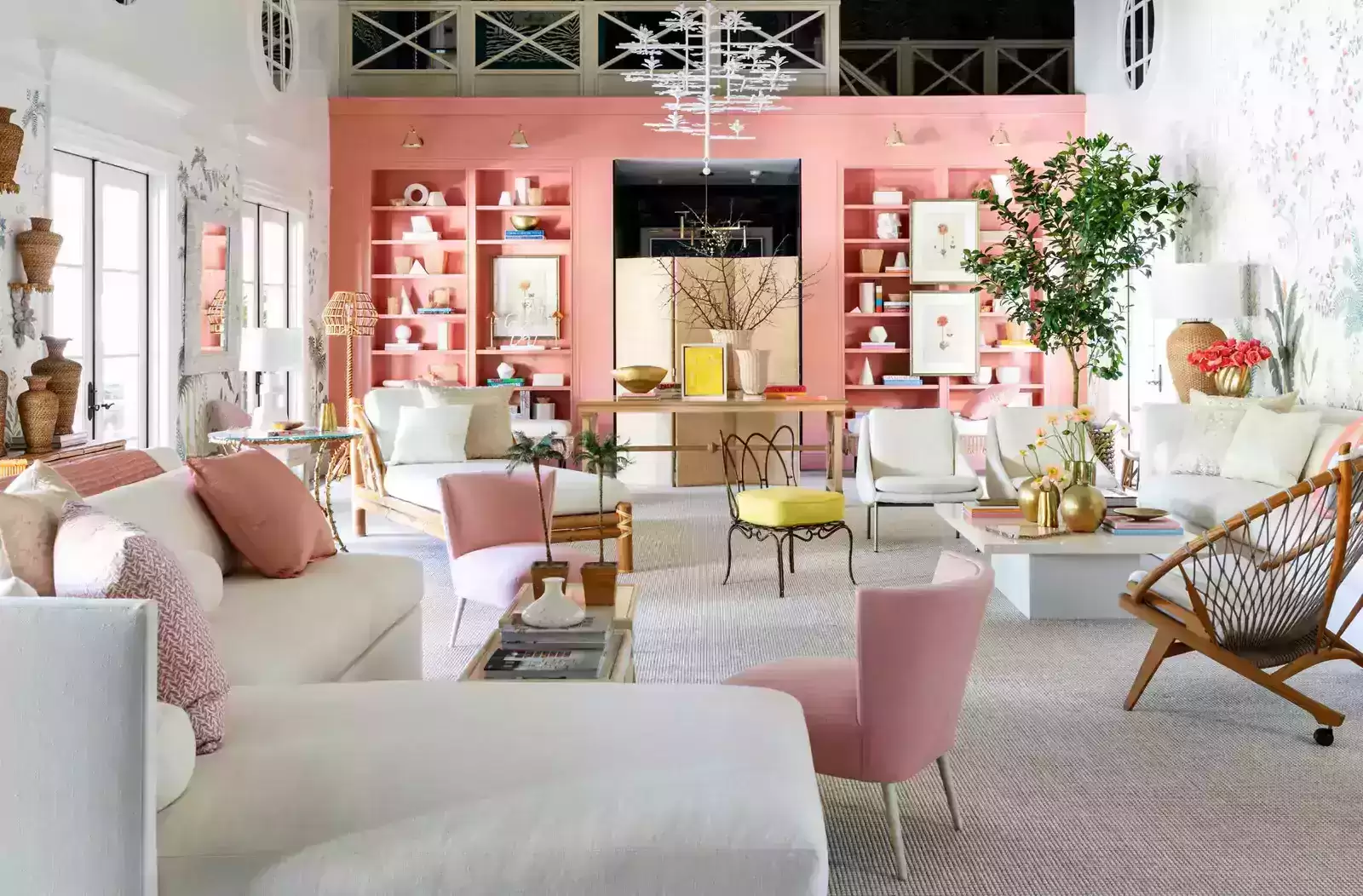
Materials used in choosing furniture in interior design


Materials used in choosing furniture in interior design
We understand that buying new furniture can be very exciting and confusing, with the range of options and variety available in the market.
While there are a lot of parameters for choosing your furniture, the material of the furniture is a common and crucial component, and understanding the advantages and disadvantages of the available furniture materials is essential to selecting the best fit for you and your home.
It can seem difficult to decide even if you are clear about your requirements as there are so many options to choose from.
But if you know the materials of the furniture well, you can do it quickly with minimal effort.
With the help of this blog, we have tried to explain the variety of furniture according to commonly used and available materials and choose the best one for your home without being overwhelmed with a whole bunch of options.
Are you ready to know your furniture from its materials?
Let’s explore commonly used and accessible furniture materials!

wood
Wood is one of the most common furniture materials, and it has been the leading material for furniture manufacturing throughout the ages.
Anything from storage units to beds and tables has been made in wood for centuries, making integrating it into an interior as simple as ABC.
While it is widely used, it is generally a pricier material than most of the options available.
Thus, it is only preferred when the furniture is expected to be used in the long term.

Wicker / cane
MDF is medium-density fibreboard, distinct from veneer-based plywood. Wicker describes a weaving technique that can use different materials, while acrylic is a polymer type. Review joints, layers and exposure rather than inferring performance from appearance.
However, the thing to keep in mind is that it needs decoration that matches the interior space.
Although it brings a new beauty to the home, it is not quite durable, and high maintenance is required to maintain it.
MDF plywood

glass
Tempered glass is a modern approach to interior decorating choices, and there are few types of furniture made exclusively of glass.
However, many tables, storage units,
and even computer desks may be made of a combination of materials that feature glass as the primary material.
While glass can add elegance and class to furniture,
it is more fragile than most materials and risky to use.
acrylic

steel
Stainless steel and other materials of this type such as chrome
and metal are predominant in modern high-tech interior space solutions.
Like glass, some furniture will be made exclusively of steel, by contrast,
Most can have metal inserts for strength with other materials in both functional and decorative pieces.
While it brings strength without adding much weight,
it does not give a classic look and is therefore, generally not much preferred.
plastic

leather
Leather is widely used in furniture upholstery to provide softness and elegance in appearance.
It can play a role in giving you a contemporary or classic interior look,
depending on your interior theme and design.
It can be of both faux leather and genuine leather,
while genuine leather can push the budget to the higher side.
Faux leather may seem affordable.
However, it is very difficult for an ordinary person to distinguish between genuine
leather and artificial leather.
This is why most people refrain from taking risks
.
For more architectural news
Related reading: How to choose the right furniture for specific spaces in interior design.
Editorial review and correction — 19 October 2026: Errors in the earlier version were corrected, including correcting the earlier explanation: MDF is medium-density fibreboard, distinct from veneer-based plywood. Reviewed by Archive Data Agent.