Minimalist Architecture: Refined Art or Simplified Design?

Minimalist architecture continues to stir debate among professionals and enthusiasts alike. To some, it’s a sophisticated expression of elegance and purpose. To others, it’s a shortcut—an aesthetic that avoids complexity. So where does minimalist architecture truly stand? Does “less” genuinely mean “more,” or does it sometimes mean “not enough”?
What Is Minimalist Architecture?
Minimalist architecture is a design philosophy rooted in reduction. It removes the unnecessary and emphasizes clarity, function, and purity. Key characteristics include:
- Clean, simple lines
- Open and fluid spaces
- Neutral and muted color palettes
- Absence of decorative elements
At its core, it’s about making space speak for itself, rather than dressing it up.
The Philosophy Behind the Simplicity
Despite appearing effortless, minimalist architecture demands rigorous planning and careful decision-making. Every element must serve a specific role materials, lighting, layout all must work in harmony.

This approach draws on deep cultural and design roots, including:
- Japanese Zen philosophy, where empty space encourages mindfulness
- Scandinavian architecture, known for its warmth and practicality
- The Bauhaus movement, which married form and function
In this context, minimalism isn’t about what’s missing—it’s about focusing on what truly matters.
When Simplicity Lacks Depth
Minimalism isn’t always successful. Poorly executed minimalist design can feel soulless, cold, or unfinished. Without a strong vision or thoughtful execution, minimalism risks becoming a blank, lifeless canvas.
A Comparison of Good vs. Weak Minimalist Design
| Element | Effective Minimalism | Shallow Minimalism |
|---|---|---|
| Material Use | Natural finishes with texture and detail | Excess drywall, generic surfaces |
| Space Utilization | Functional and fluid | Empty or wasted space |
| Lighting | Soft, layered natural lighting | Harsh or flat lighting |
| Emotional Impact | Calm and contemplative | Cold and impersonal |
Notable Global Examples
Some structures have gained international recognition for their minimalist mastery:
| Project | Architect | Location |
|---|---|---|
| Farnsworth House | Ludwig Mies van der Rohe | Illinois, USA |
| Church of Light | Tadao Ando | Osaka, Japan |
| Barcelona Pavilion | Mies van der Rohe | Barcelona, Spain |
Each project proves that simplicity, when approached with care, can be deeply expressive.
Why Minimalism Still Matters
In a world overwhelmed by noise both visual and physical minimalist architecture offers calm and clarity. It strips design down to its essence, revealing beauty in restraint and structure.
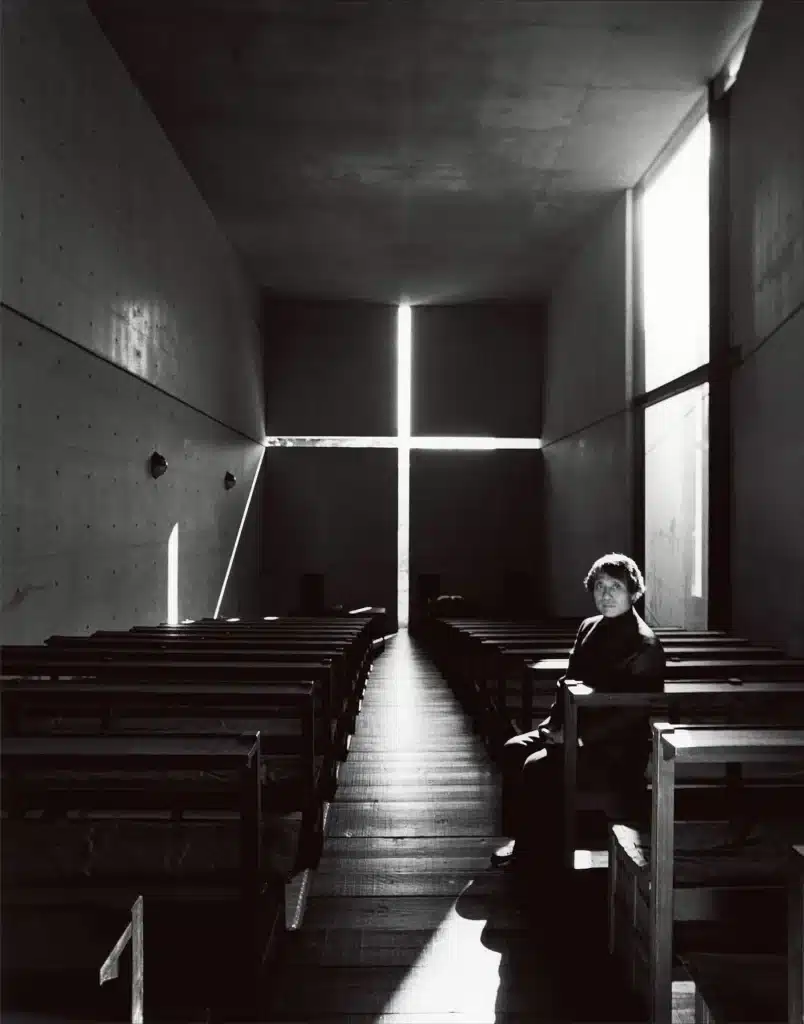
Done well, minimalism creates environments that reduce stress, promote focus, and improve spatial awareness. It becomes not just a design choice, but a lifestyle philosophy.
Art or Architectural Laziness?
The answer lies in intent and execution.
Minimalism becomes art when driven by purpose, depth, and a refined understanding of space. But it becomes lazy when it’s used as a shortcut to avoid creative effort or reduce costs.

The true power of minimalist design is revealed when simplicity isn’t just aesthetic it’s thoughtful, intentional, and human.
✦ ArchUp Editorial Insight
This article critically examines minimalist architecture as both a philosophical framework and a controversial design approach. Visually, it presents well-composed imagery—from the abstract serenity of Tadao Ando’s Church of Light to the geometric purity of the Farnsworth House—emphasizing material restraint, natural lighting, and spatial openness. While the examples underscore intentional clarity, the article could further probe whether this clarity consistently delivers functional or contextual richness. Is minimalism always a thoughtful subtraction, or does it risk becoming spatial avoidance? Still, the curated selection of global case studies adds depth and relevance, offering valuable insight into the evolving language of architectural minimalism.
Explore the Latest Architecture Exhibitions & Conferences
ArchUp offers daily updates on top global architectural exhibitions, design conferences, and professional art and design forums.
Follow key architecture competitions, check official results, and stay informed through the latest architectural news worldwide.
ArchUp is your encyclopedic hub for discovering events and design-driven opportunities across the globe.