

Red Leather Seats at the National Gallery: Between Heritage and Controversy Over Renovation

Comprehensive Reorganization of Seating at the National Gallery
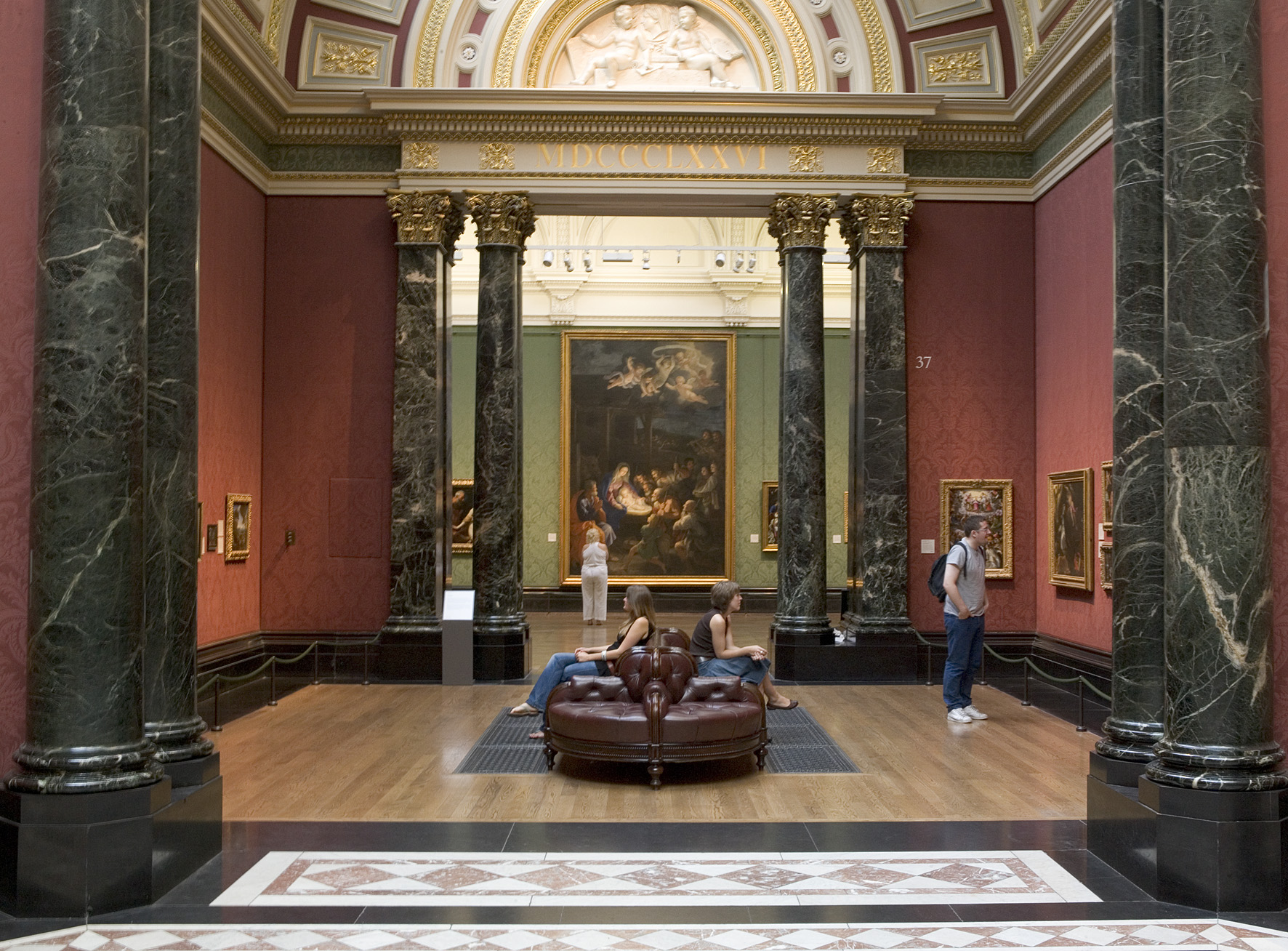
This month, the National Gallery is offering its famous red leather seats for sale through Bellmans auction house, in a move that forms part of an extensive assessment process that has lasted over a year.
The aim of this process is to reorganize seating within the galleries to better suit visitor flow and diverse needs. The assessment included studying the distribution of seats, ease of access, as well as examining their durability, safety of design, and compliance with modern standards for gallery refurbishment.
Victorian-Inspired Seats
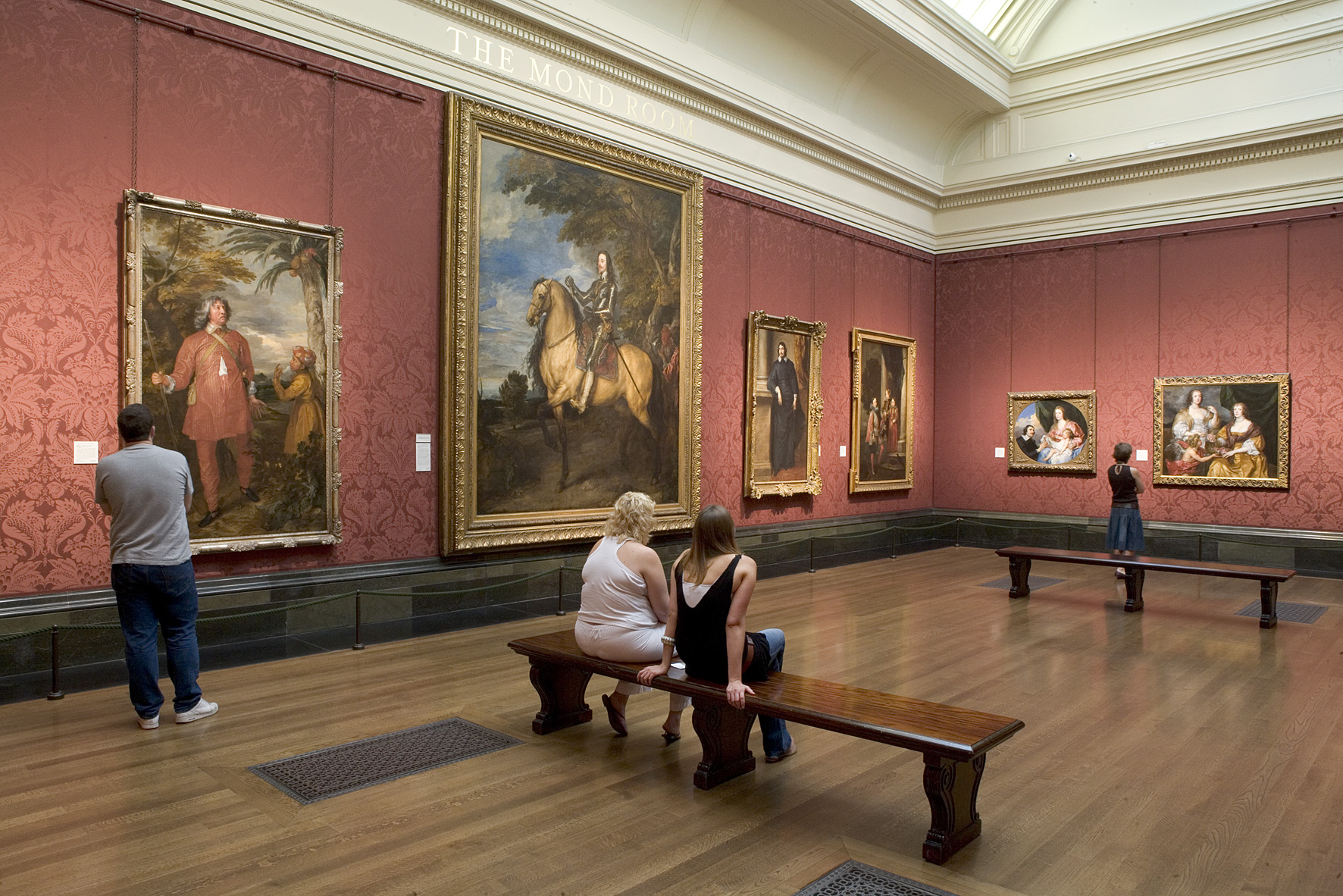
The collection includes eleven red leather seats, designed as replicas inspired by the Victorian era, mostly crafted during the 1980s and 1990s.
Each seat is estimated to sell for up to £1,200, reflecting both its historical and aesthetic value.
A Step Within a Comprehensive Development Project
This step comes as part of the National Gallery’s ongoing development project, which includes enhancing the visitor experience and refurbishing interior spaces.
Among the key phases of the project is the reopening of the “Sainsbury Wing” following its renovation by Selldorf Architects, alongside future plans to acquire additional modern and contemporary artworks, in an effort to merge classical heritage with current artistic trends.
Debate Over Replacing the Old Seats
Although the refurbishment took place within the framework of a comprehensive development, the decision to replace the old leather seats sparked minor controversy on social media. Several visitors and art enthusiasts expressed regret over losing the seats, which had been part of the gallery’s identity for many years, considering them to carry a special historical and emotional significance.
A Critical Perspective on Museum Spaces
In this context, art historian and curator Isabel Kent offered a deeper perspective, arguing that the issue goes beyond merely replacing old furniture with new.
Kent says:
“This change reflects a much deeper problem regarding how we perceive museum spaces. Museums are not just functional places you visit to look and leave; they are spaces for relaxation, enjoyment, discovery, or simply being. The essential purpose of museums is lost when these spaces no longer provide the sense of comfort that should define them.”
Between Modernity and Cultural Identity
Kent’s words highlight a fundamental question about balancing modernity with cultural identity. While museums strive for continuous renewal and to enhance the visitor experience, maintaining the human and intimate character of the space remains as important as aesthetic or functional considerations.
A New Design Balancing Form and Safety
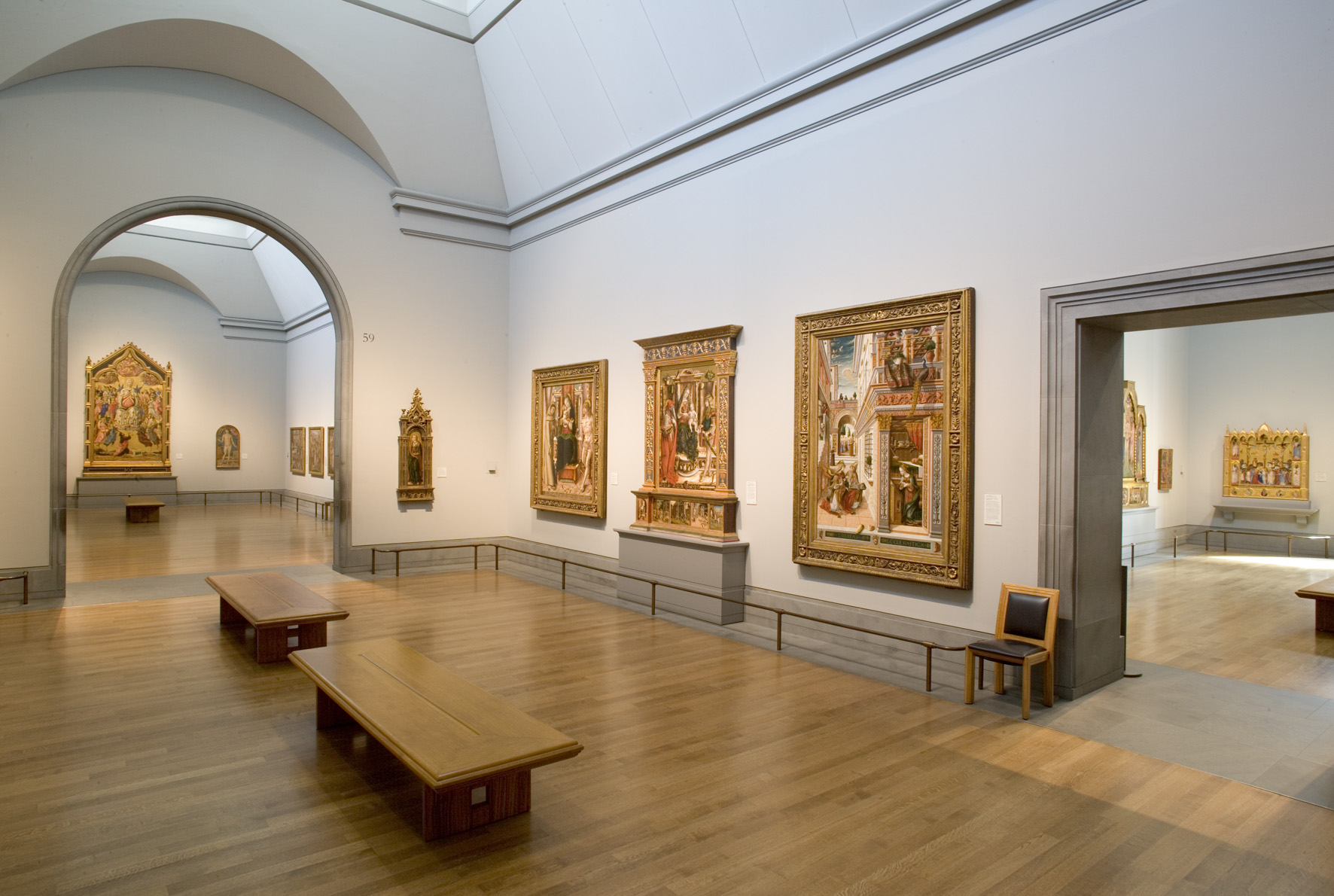
The new oak seats feature a simpler, more streamlined design and come without backrests. This change is partly in response to health and safety requirements, as the old wooden and leather seats were difficult to clean and could attract pests, potentially posing a risk to the displayed artworks.
A Multi-Dimensional Evaluation of the New Seats
According to Tracy Jones, Head of Communications at the National Gallery:
“The seats were evaluated based on historical information, ease of access, their impact on visitor flow, sustainability standards, storage and transport possibilities, as well as their future suitability and timeless character.”
Jones explains that the old seats, made from the mid-1980s to the early 1990s, were not originally part of the gallery and therefore do not form part of its original heritage.
Balancing Comfort with Practical Considerations
This change demonstrates the gallery’s effort to strike a balance between aesthetic and historical value and practical safety requirements. The new seats not only provide a safe and low-maintenance seating experience, but also aim to adapt the gallery’s interior spaces to modern visitor flow and sustainability standards, while maintaining a simple elegance that aligns with the overall character of the museum.
The Historical Evolution of Furniture
Tracy Jones further explains the historical context of furniture at the National Gallery:
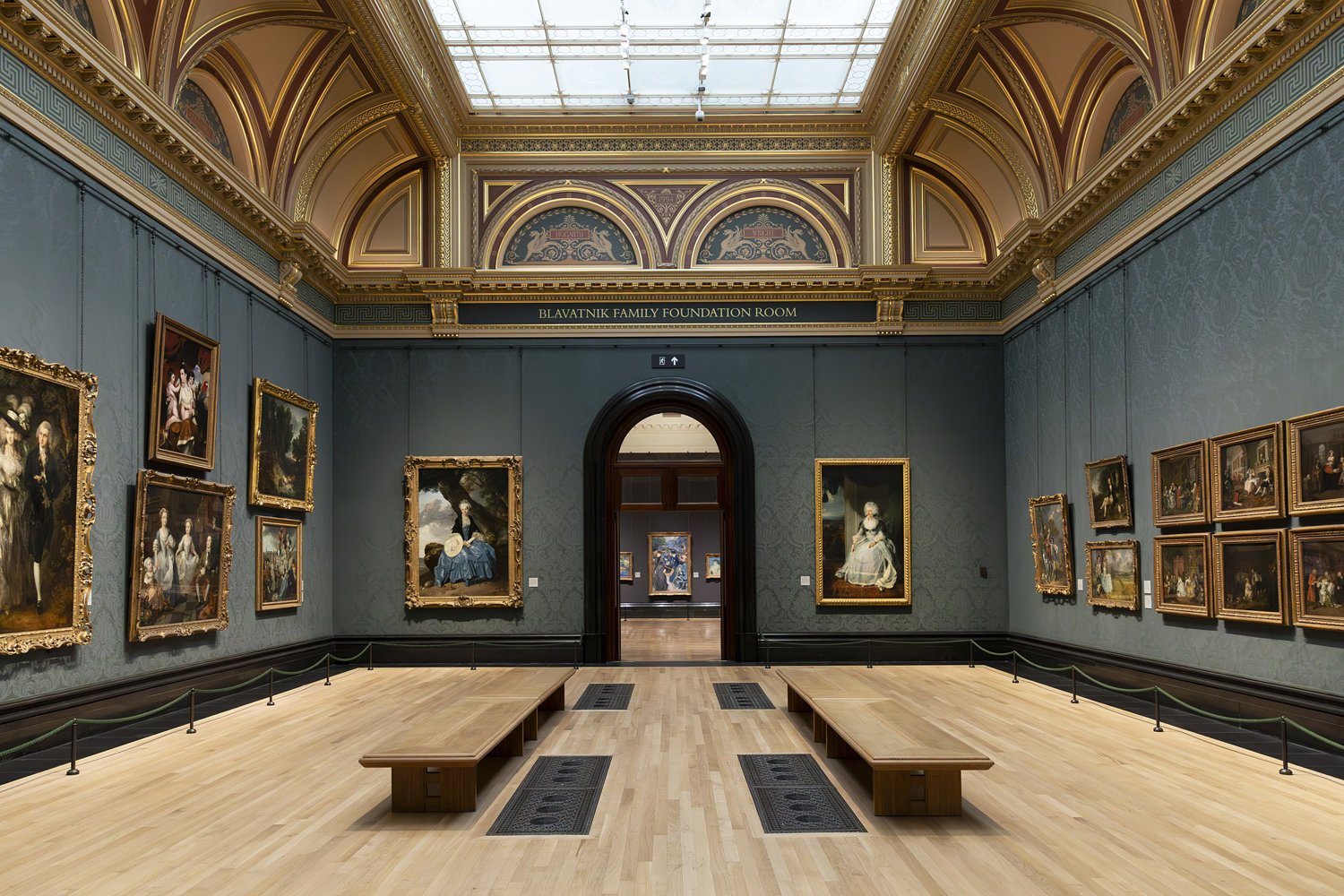
“We understand that visitors have grown accustomed to seeing these seats in the gallery halls and may assume they are original, but when the gallery first opened at its Trafalgar Square location in 1838, it contained no furniture. Later, chairs and various types of furnishings were added, and these designs have changed significantly over the years.”
This statement reflects the dynamic evolution of interior design within the museum, indicating that the concept of furniture in the gallery has never been fixed, but has continuously adapted to visitor needs, safety considerations, and the overall experience.
It also highlights the historical understanding of furniture, distinguishing between what is original to the gallery and what was later added to enhance the practical and aesthetic functions of the interior spaces.
Debate Over Accessibility and Comfort
Despite the online debate between supporters of the new minimalist design and those accustomed to the old seats, what concerns art historian Isabel Kent and others is the reduced accessibility of the new seating.
Kent explains:
“The old seats were excellent for people with mobility difficulties or back pain, as they had armrests and backrests. The new seats, however, are completely unsuitable. They are inherently ‘repelling’ pieces of furniture, designed to make you leave.”
Modern Museums Between Inclusivity and Practical Reality
Kent continues in her critical analysis:
“Ironically, the prevailing discourse about museums today focuses on inclusivity and ease of access. Yet, the modern, globalized nature of museums, with their rigid, uncomfortable designs, creates environments that are hostile to anyone with disabilities or mobility challenges.”
Many visitors have responded to Kent’s observations, sharing personal experiences regarding the difficulty of accessing exhibition spaces, whether using wheelchairs or facing general mobility challenges.
This debate highlights that the visitor experience is not only about aesthetics and contemporary design but also encompasses considerations of comfort, inclusivity, and accessibility for all.
The National Gallery’s Response to Accessibility Concerns
In response to concerns regarding accessibility, the National Gallery issued a statement clarifying that many of the previous seats lacked armrests or backrests, making them less inclusive for visitors.
The statement noted that the new seats, which have been in place for six months, complement the gallery’s collection of 29 oak seats in the Sainsbury Wing, taking into account the size and shape of the galleries so as not to obstruct sightlines when viewing artworks.
Arrangement and Design to Enhance Visitor Experience
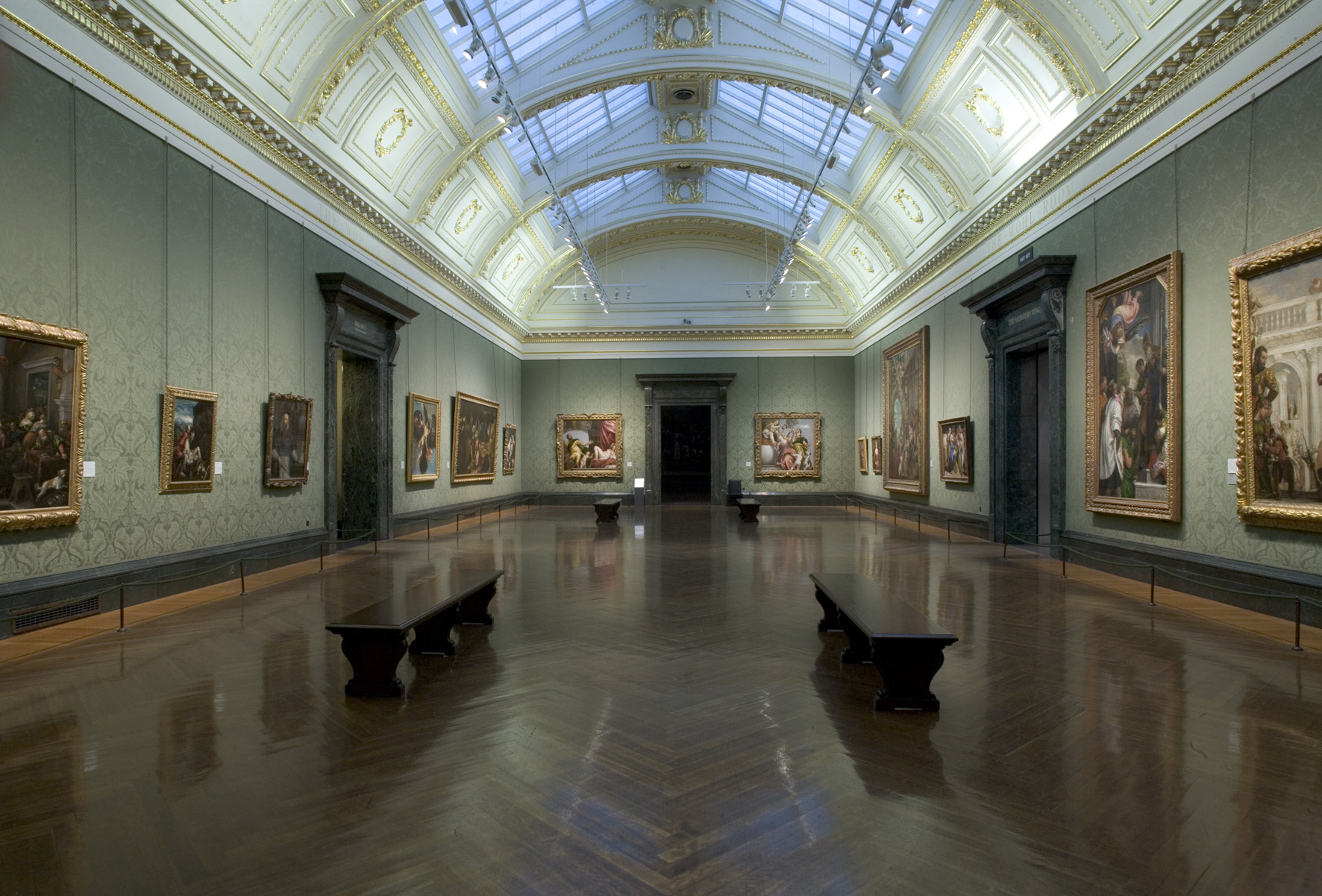
The statement explained that the new low-profile seating is arranged in quarters within the larger galleries, aiming to provide an ideal space for relaxation, contemplation, and engagement with the art collection.
This approach demonstrates that furniture design was not limited to aesthetic considerations but also addressed practical functions and the overall visitor experience, taking into account movement within the galleries and unobstructed sightlines.
Preserving Heritage and Reproducibility
Tracy Jones emphasized that the gallery maintains detailed photographs and design plans of the red leather seats in its archives, enabling future reproduction if needed, reflecting an awareness of the importance of documenting heritage while balancing modernity and authenticity.
✦ ArchUp Editorial Insight
The National Gallery’s seating reorganization project can be viewed through a lens that balances both advantages and reservations. On the positive side, the project demonstrates a clear focus on health and safety, with careful planning of seat distribution to maintain unobstructed sightlines within the galleries and to facilitate general visitor movement. The simple wooden design adds a contemporary touch that aligns with the overall character of the interior spaces and reduces the maintenance challenges associated with the old leather seats, an important factor in modern museum management.
However, when examined from an architectural and user experience perspective, several reservations emerge that merit attention. First, the absence of backrests and armrests significantly reduces visitor comfort, especially for those needing additional support or facing mobility challenges, raising questions about the inclusivity of the design and its responsiveness to all visitor groups. Second, the connection between modernity, simple aesthetics, and the historical authenticity of the space appears limited, as the loss of familiar elements may erode the sensory identity of the galleries, which is an integral part of the museum experience beyond mere functionality.
From an architectural standpoint, the project serves as an important example of integrating safety and maintenance requirements into museum interior design, showing how seating areas can be made more flexible for human flow while preserving sightlines. At the same time, it underscores the importance of balancing renovation with comfort and historical identity, ensuring that new elements do not become mere functional pieces at the expense of the overall visitor experience.
In summary, the project offers practical solutions and important organizational improvements, yet it also raises real challenges regarding comfort, accessibility, and emotional connection to the space, opening the door for a more comprehensive review of interior design in museums whenever furniture or used spaces are reorganized.
Prepared by the ArchUp Editorial Team
Don’t miss the chance to explore more from Architecture, Architecture Competitions, and Interior Design on the ArchUp website.


