

A Brazilian Project Exploring Sustainable Construction with Compressed Earth and Modular Design

Piracaia Eco-Village: A Living Example of Sustainable Architecture
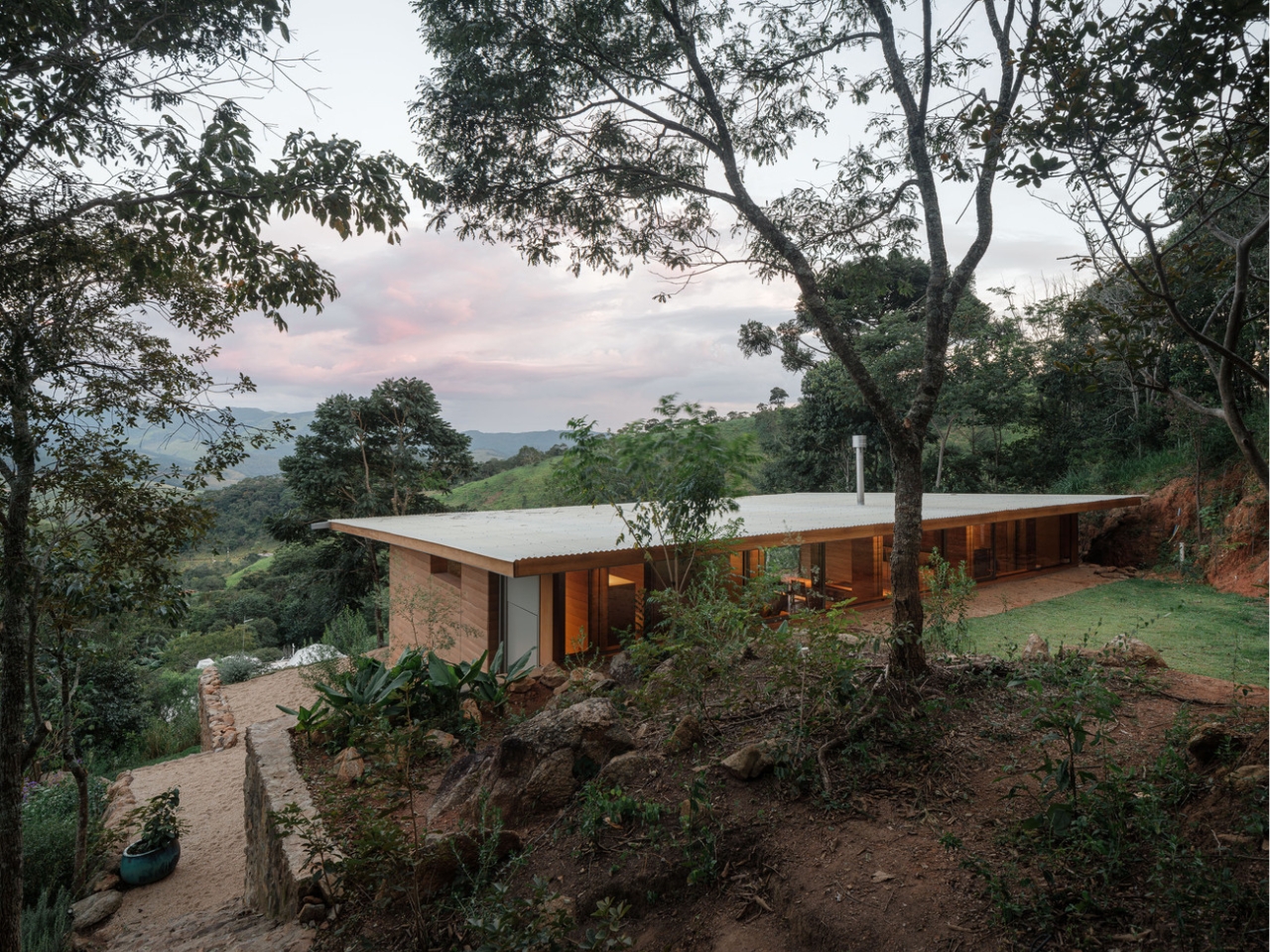
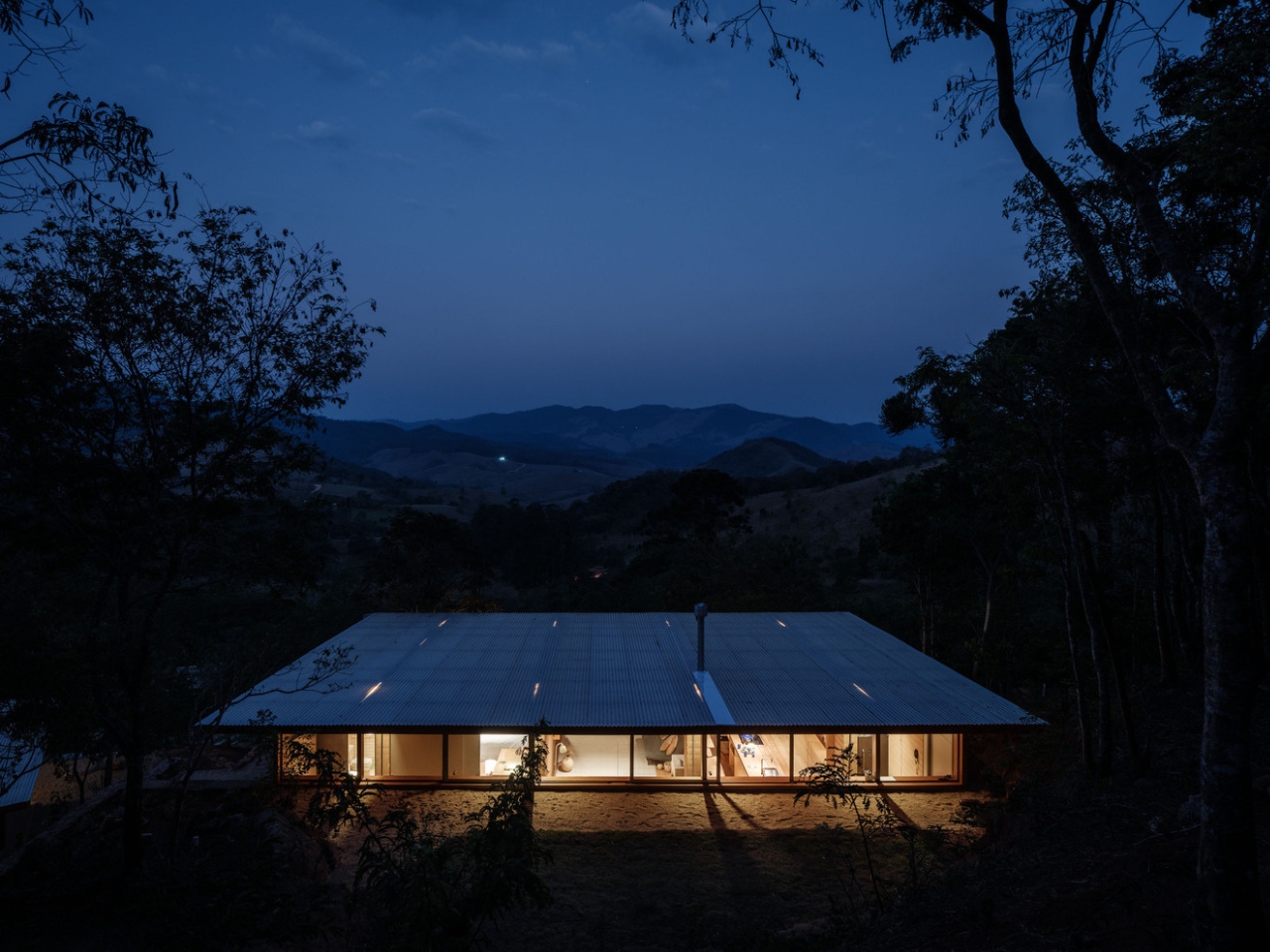
Imagine walls made of compressed earth, windows framing the Brazilian hills, and a roof that collects rainwater just as nature intended. It may seem like something out of a utopian novel, but Arquipélago Arquitetos transformed it into reality with the Piracaia Eco-Village.
Location and the Importance of Sustainability
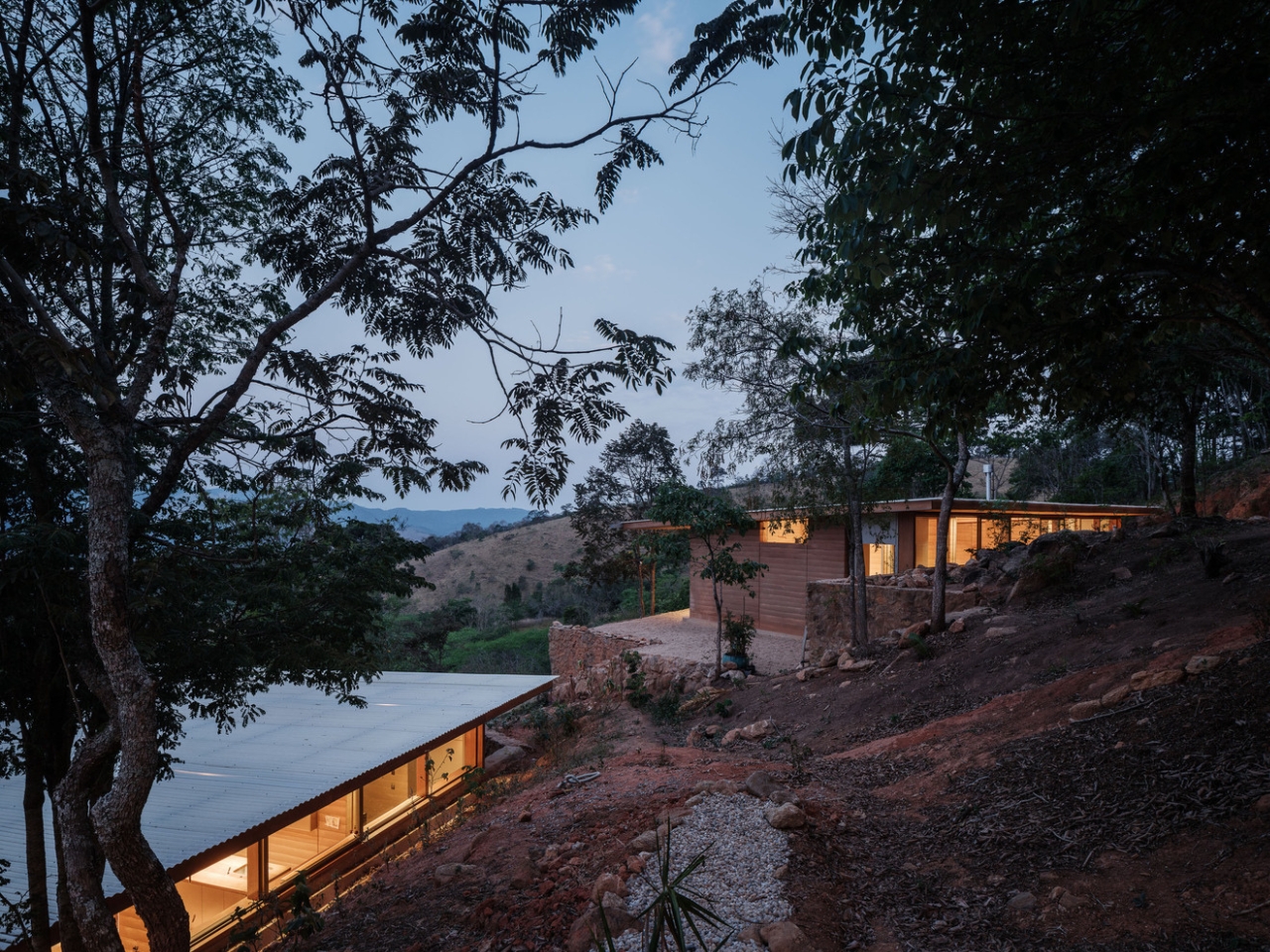
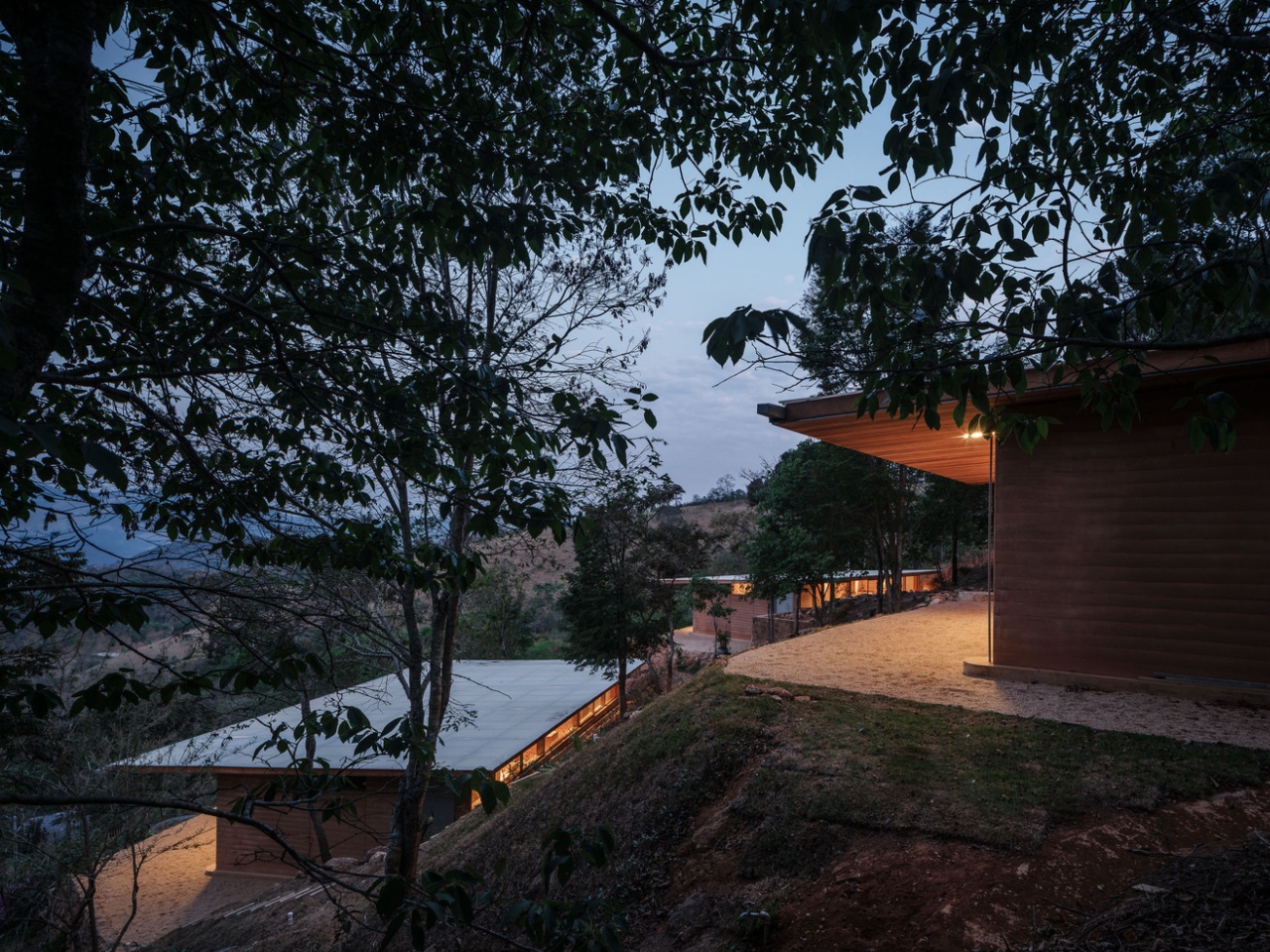
The project is located about two hours from São Paulo, and it is more than just an eco-friendly house talking about sustainability, it consists of three distinct residences built innovatively, blending the old with the modern. These homes demonstrate how architecture can be sustainable, functional, and visually appealing at the same time.
Compressed Earth Technique
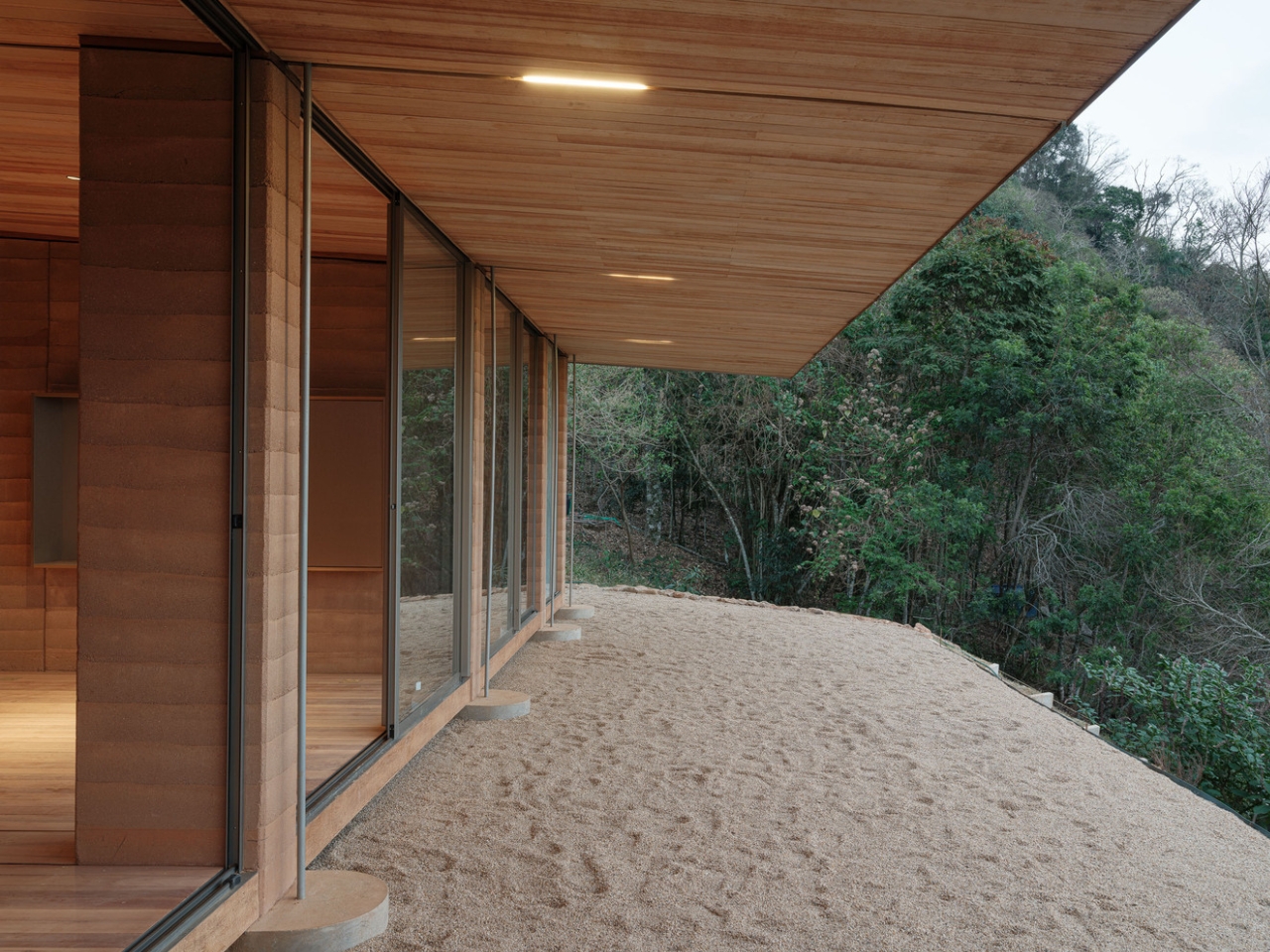
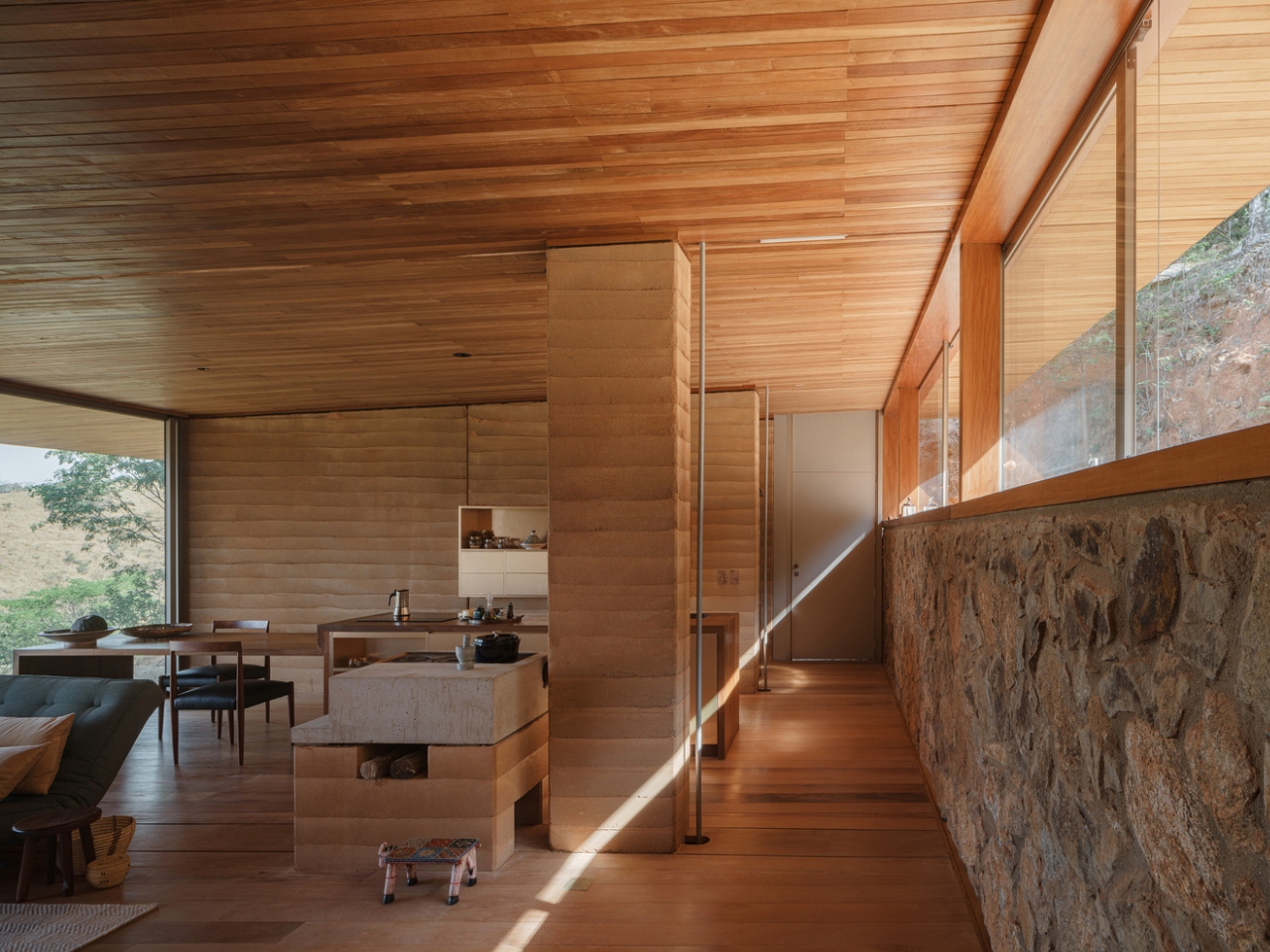
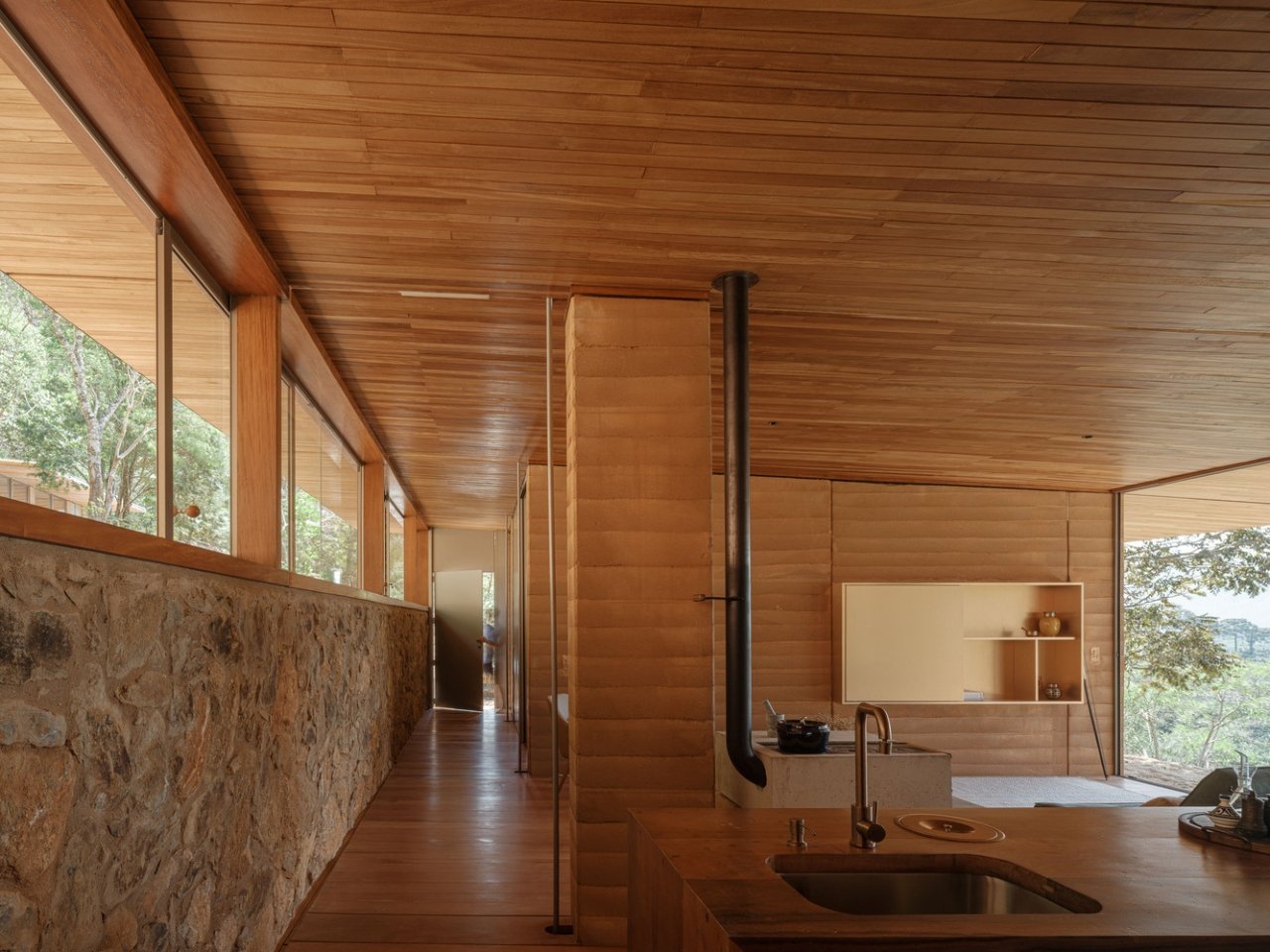
These residences rely on the compressed earth technique, an ancient construction method making a comeback in modern architectural projects. The concept involves compressing soil within wooden frames to form strong, load-bearing walls. This method not only provides high durability but also gives the buildings a natural beauty that harmonizes with the surrounding environment.
The Modular Approach to Sustainable Construction
The genius behind Arquipélago Arquitetos’ design lies in developing a modular system that makes sustainable construction easily scalable and adaptable. This approach focuses not only on aesthetics but also on flexibility and functional usability.
Multi-Purpose Building Units
Three different residential spaces were created using the same basic building units:
- A studio of approximately 50 square meters
- A one-bedroom apartment of approximately 100 square meters
- A two-bedroom apartment of approximately 116 square meters
These units can be likened to architectural LEGO blocks, except that the materials used here are entirely natural. Traditional plastic or brick is replaced with compressed earth and wood, making the structures environmentally friendly and in harmony with the natural surroundings.
Advantages of the Modular System
With this approach, units can be easily replicated to create larger or smaller spaces as needed, while maintaining the same aesthetic and structural standards. This model reflects how modern architecture can combine innovation and sustainability in practical and flexible ways.
Innovation in the Compressed Earth Technique
What sets these homes apart is not only the use of eco-friendly materials, but also the replicability and adaptability developed by the architecture firm. The designers managed to create a method that makes the compressed earth technique easily scalable to meet the diverse needs of residents.
Wooden Frames as a Reusable Foundation
The system relies on the repeated use of wooden frames to construct foundations and walls. With each new design plan, additional rooms can be added without compromising the building’s stability or aesthetic appeal.
A Balance Between Beauty and Strength
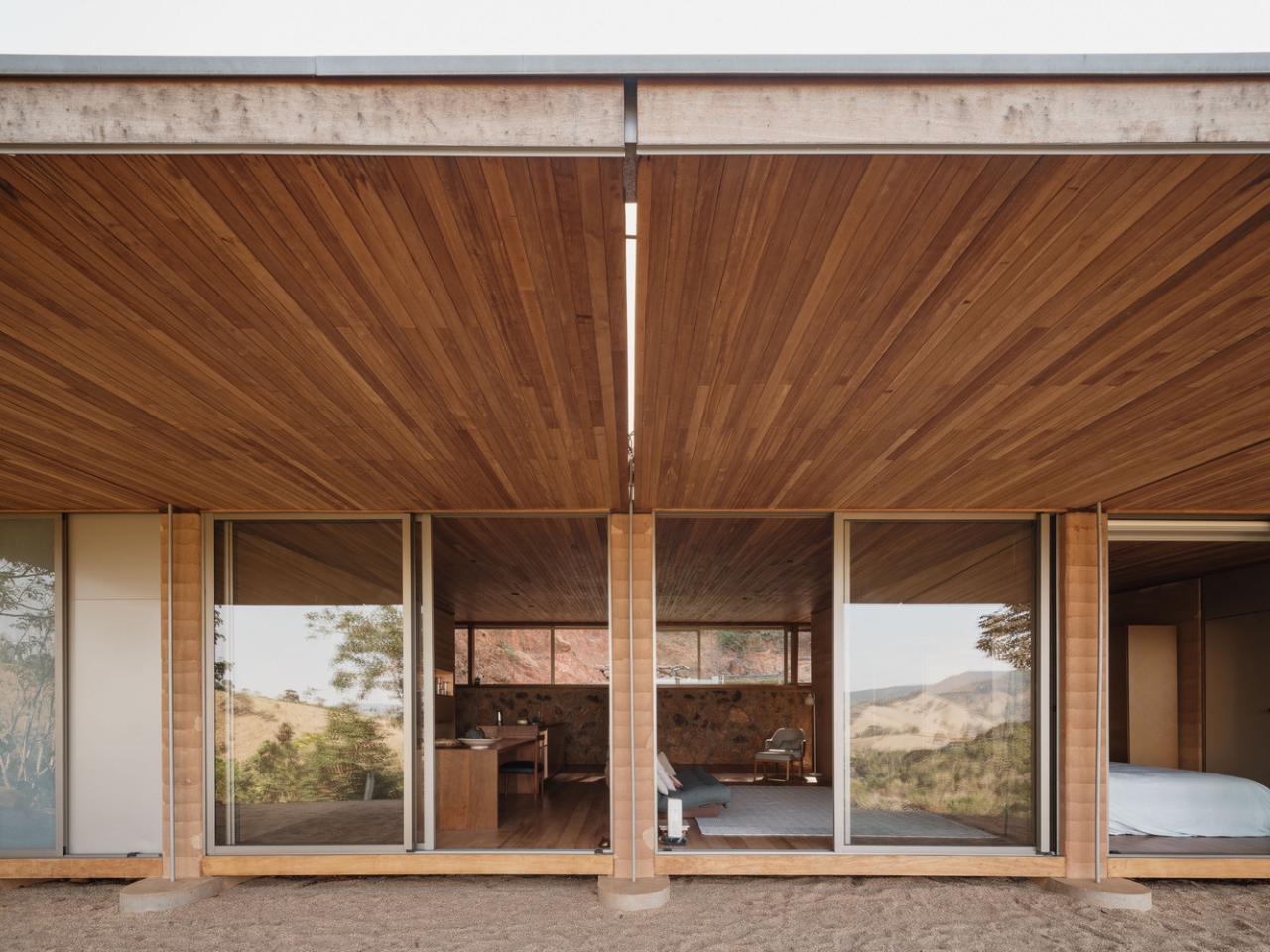
Walls made of compressed earth not only provide a natural and visually pleasing appearance but also serve as the main load-bearing element supporting the wooden roof panels through compression. Forces are distributed through iron rods that connect the roof to the foundations, ensuring the building’s stability under various conditions.
Integration of Design with Nature
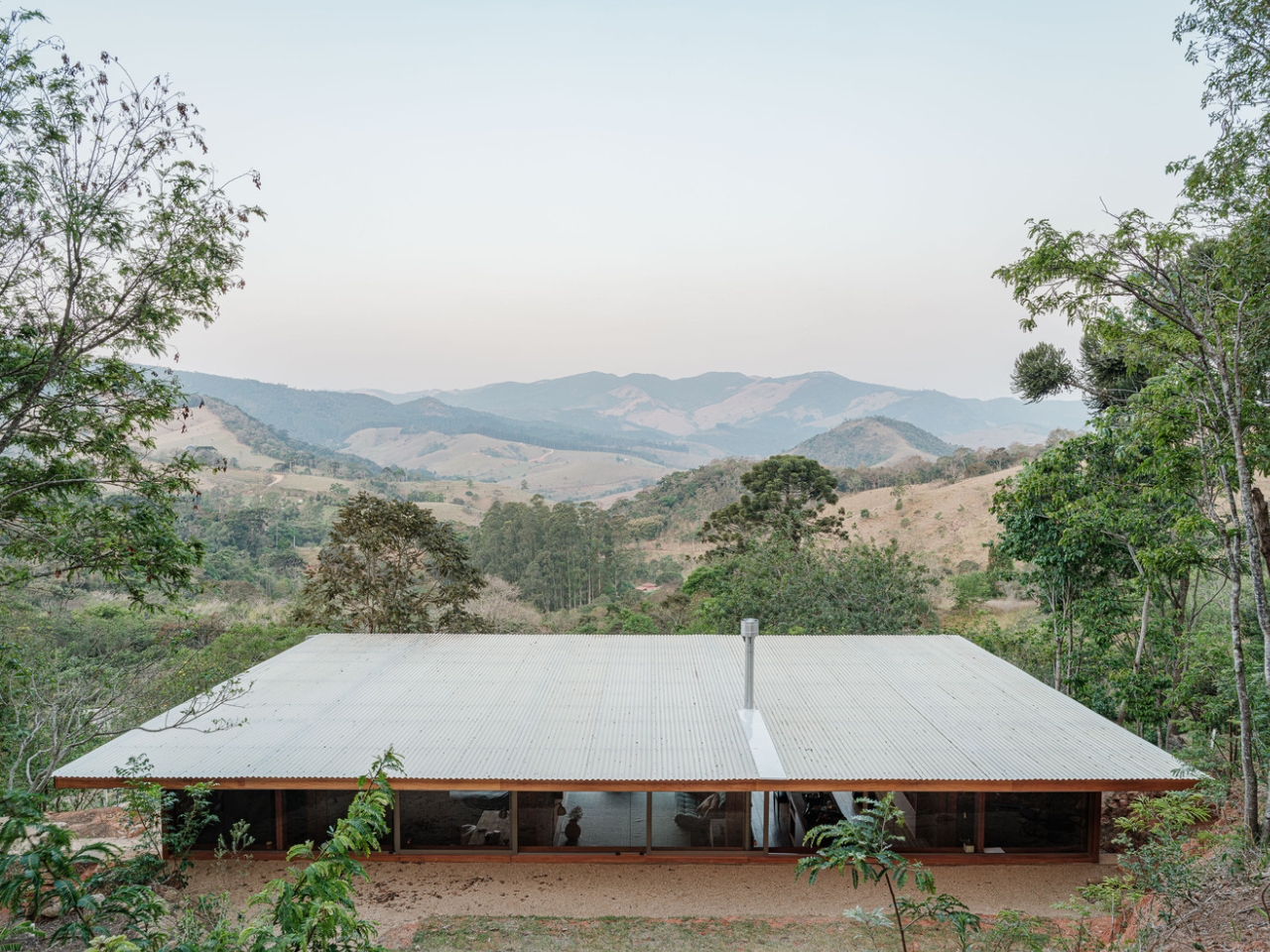
These homes are positioned on the hillside in a way that takes full advantage of the natural terrain. Their design includes a series of high-level rear windows that allow natural light to enter efficiently while maintaining privacy, creating a bright and comfortable interior environment without relying heavily on artificial lighting.
Multi-Functional Roofs
The aluminum roofs are designed to serve two complementary functions simultaneously: they protect the homes from weather conditions and collect rainwater for household use. This approach reflects the idea of smart design, where form and function are integrated. It’s not just about visual appeal or functionality separately; their combination adds real value in terms of sustainability and comfort.
The Personal Beginnings of the Project
The Piracaia Eco-Village project began in a personal and inspiring way. A psychologist named Lia, living alone in São Paulo, watched a documentary on Netflix about compressed earth homes. At that moment, she thought, “This is it. This is what I want.” Her goal was not merely to escape the city’s hustle and bustle, but to connect her daily life with nature in a meaningful way.
The Relationship Between Humans and Nature
Through her psychological experiences and professional work, Lia deepened her understanding of humans’ connection to the natural environment. This awareness drove her to seek a living space that embodied this connection, a pursuit that merges sustainable design with the psychological well-being of residents.
From a Single Home to a Sustainable Community
Lia did not stop at building a home for herself; she added two more homes for sale to individuals who shared her vision. In doing so, the idea evolved from a personal retreat into an eco-village founded on shared values, where architecture becomes a means of creating a cohesive community in harmony with nature.
Meticulous Construction Process
The construction process at Piracaia Eco-Village showcases another aspect of engineering innovation. Artesania Engenharia and engineer Alan Priat provided specialized consultancy on compressed earth works, helping to transform local soil into strong, sustainable walls that can endure for generations.
Collaboration Between Engineering Teams
The wooden structures were designed by Stamade Estruturas, while Jarreta Projetos handled the precise installations to ensure the buildings’ stability and optimal functionality. This collaboration among specialized teams highlights the importance of meticulous engineering coordination in achieving sustainable, high-quality architectural projects.
Interaction with Nature
Pedro Cook’s photographs capture the beauty of these earthen structures, illustrating how they appear to grow organically from the landscape rather than imposing themselves upon it. This approach enhances harmony between the building and its surroundings, creating a seamless visual and natural experience.
Sustainability Without Sacrificing Beauty
What is striking about Piracaia Eco-Village is how it challenges our assumptions about sustainable living. We often think that adopting an eco-friendly lifestyle means compromising on beauty or comfort, but these homes prove the opposite.
Natural Materials and the Living Experience
Natural materials such as compressed earth and wood create warm, vibrant living spaces, far from the coldness or formality sometimes associated with sustainable design. This enhances residents’ sense of connection with nature and promotes psychological well-being.
Replicability and Scalability
The modular design reflects the approach’s ability to be replicated in other locations, provided suitable soil conditions exist. This demonstrates that sustainable architecture is not merely an individual experiment—it can become a practical model applicable on a broader scale.
Sustainable Architecture in the Contemporary Context
Projects like Piracaia Eco-Village hold particular significance in our current era, marked by climate anxiety and increasing housing crises. They demonstrate how sustainable architecture can be both practical and visually appealing without being expensive, complicated, or unattractive.
Innovative Solutions Using Local Materials
Sometimes the solution is literally beneath our feet: carefully compressed earth, arranged to highlight its natural beauty. Arquipélago Arquitetos applied this traditional technique, integrating modern engineering principles, to create buildings that feel both timeless and urgently necessary in terms of sustainability.
Blending the Old with the New
The project embodies the idea that the past can inspire the future, where traditional building techniques meet contemporary innovation, resulting in designs that balance beauty, sustainability, and practical value simultaneously.
✦ ArchUp Editorial Insight
Piracaia Eco-Village can be viewed as a model exploring the potential of sustainable construction using local materials and traditional techniques, while employing modular design to allow flexible use. On the positive side, the project demonstrates how the natural environment can be integrated with modern architecture, enabling buildings to harmonize with the terrain, benefit from natural lighting, and collect rainwater, an important factor in reducing environmental impact and optimizing resource efficiency.
However, from an architectural and technical perspective, the project remains limited in its broader applicability. The compressed earth technique requires high expertise and specific local materials, and it may face challenges under different climatic or geographical conditions. Additionally, long-term maintenance of these structures demands careful monitoring to prevent soil erosion or foundation issues. Furthermore, although modular design provides flexibility, it may constrain architectural diversity or the project’s ability to respond to larger populations or varying functional needs.
The Piracaia experience can serve as a valuable reference in architectural research or educational projects, illustrating how sustainability can be integrated with traditional construction techniques. Nevertheless, it does not necessarily represent a ready-made model for commercial or large-scale urban application without careful adjustments and local condition assessments.
Prepared by the ArchUp Editorial Team
Don’t miss the chance to explore more from Architecture in fields like Buildings and Building Materials on the ArchUp website.


Piracaia Eco Village embodies a contemporary vision of rural Brazilian architecture—one that transforms sustainability from a checklist into a living culture. Set within the lush landscapes of São Paulo’s countryside, the project relies on locally sourced materials such as timber, adobe, and rammed earth, not as nostalgic gestures but as active climate mediators. The layout reflects an ecological rhythm: homes breathe through shaded verandas, shared gardens blur private boundaries, and rainwater systems trace the choreography of tropical storms. What distinguishes Piracaia is its social sustainability—the way it cultivates community resilience through shared infrastructure and self-sufficient living. In doing so, it reframes eco-villages from alternative experiments into legitimate prototypes for future rural development.