Recycled Building Materials: Seaweed and Demolition-Waste Bricks

Recycling building materials can reduce demand for new raw resources and give discarded materials another use. Two examples—bricks made with sargassum seaweed and bricks made with construction waste—show how recovered materials can become part of a building.
Returning materials to use
A circular economy aims to keep materials in use by recovering them and returning them to production. In construction, this includes finding applications for waste that would otherwise be discarded. Bricks offer one way to incorporate recovered ingredients into a familiar building product.
Building with sargassum seaweed
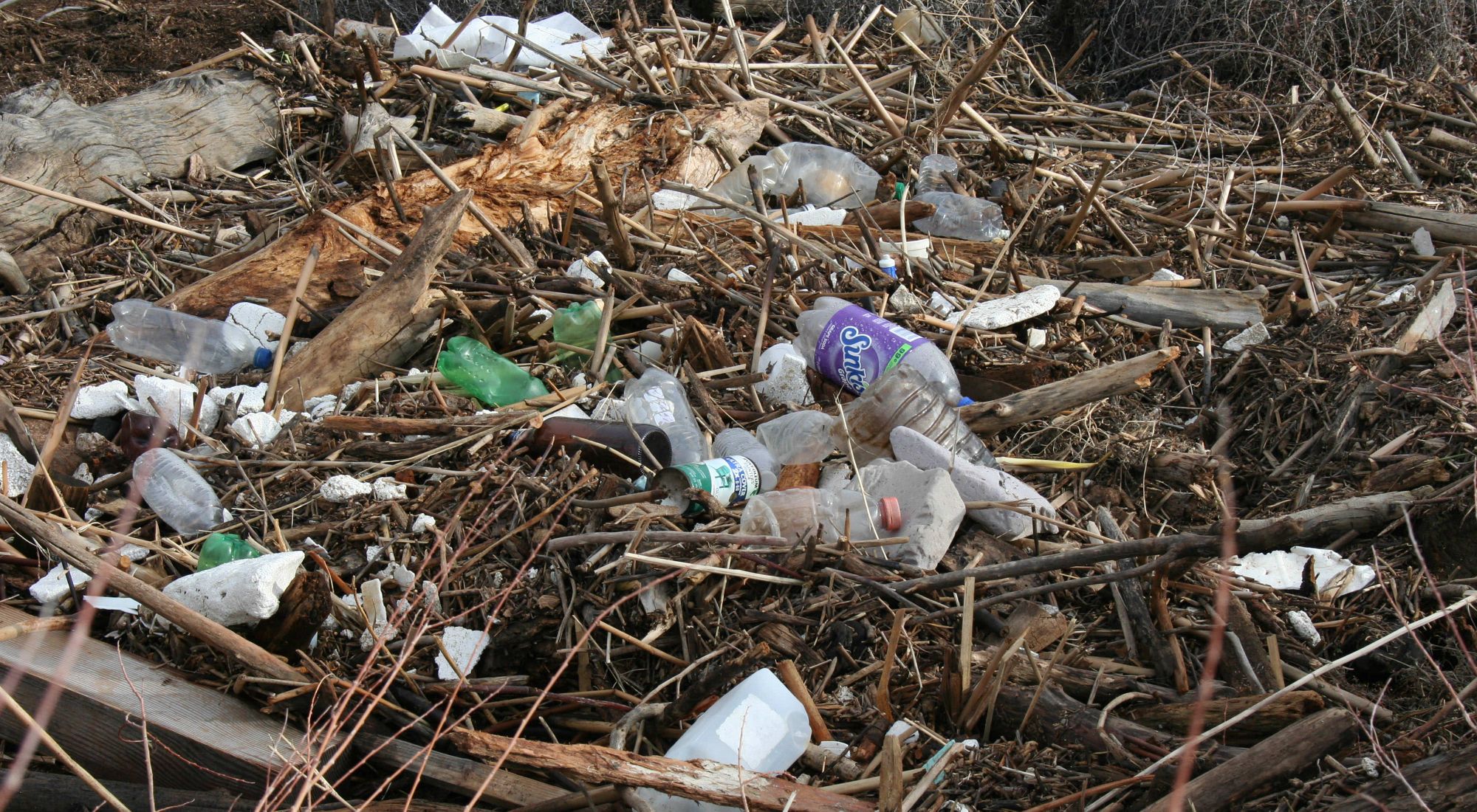
In Puerto Morelos, Mexico, accumulations of seaweed prompted local beach clean-ups. Omar Vázquez Sánchez, the founder of Blue-Green, saw an opportunity to use the collected material in construction.
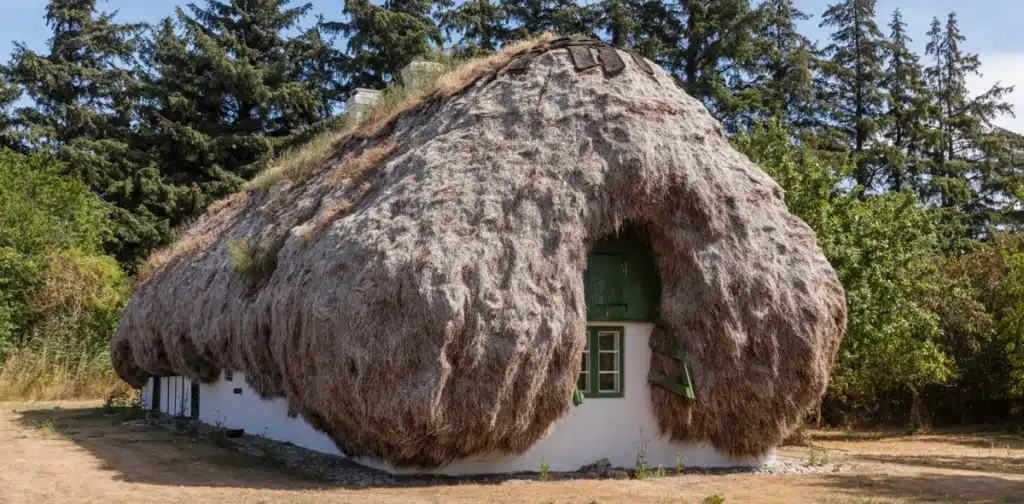
After several years of experimentation, he used seaweed and earth to build a small house. The project explored a second use for material removed from beaches, with affordable housing among its intended applications.
The suitability of seaweed-based bricks for a particular building depends on the mix, testing and construction system. Claims about resistance to earthquakes or hurricanes require evidence for that system; they cannot be assumed from the inclusion of seaweed alone.
Construction waste for a museum facade
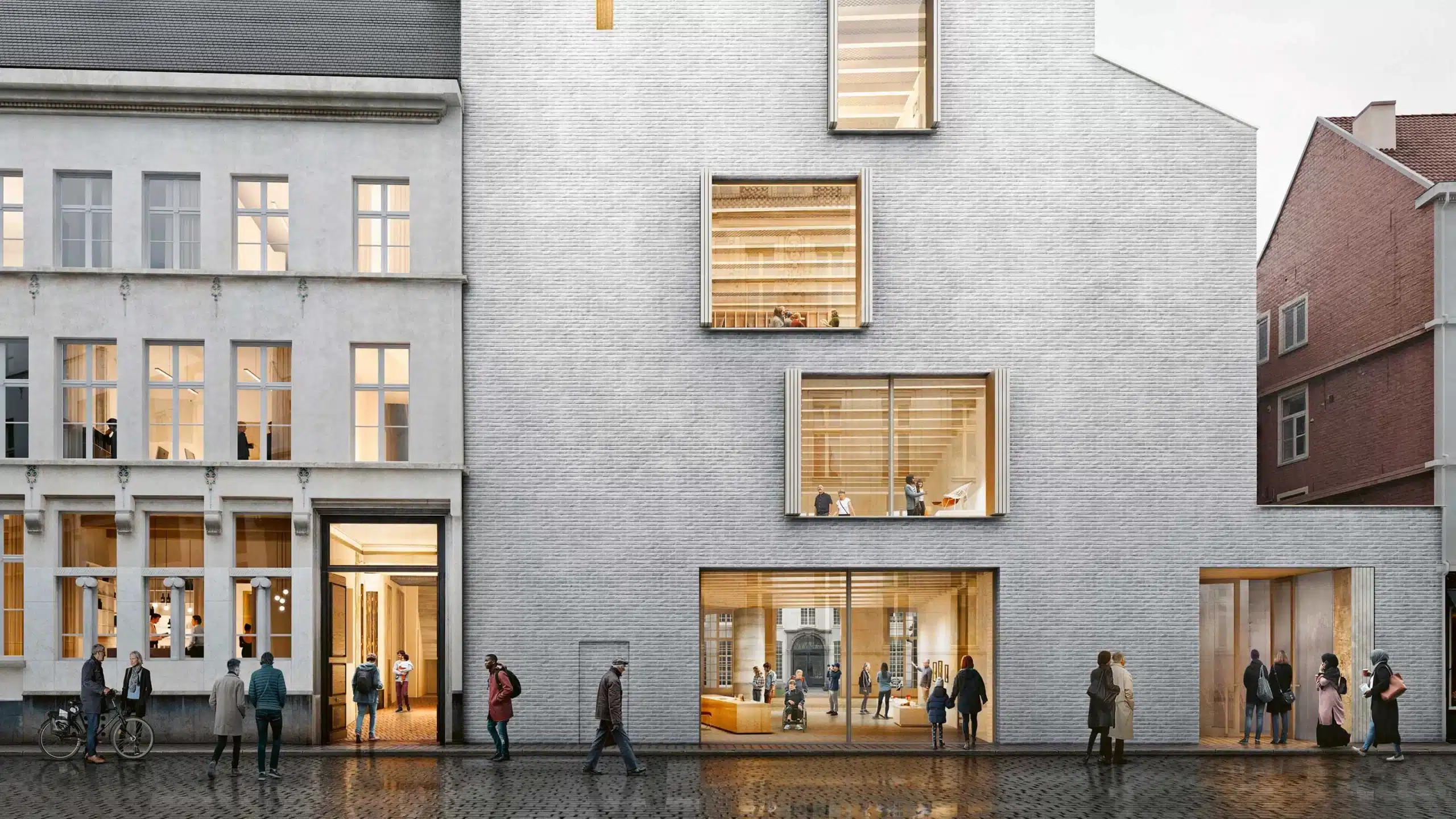
Gent Waste Brick was developed for the Design Museum Gent extension, bringing recovered concrete and glass into a new facade material. The project involves Carmody Groarke, TRANS Architectuur, Local Works Studio and BC Materials.
The process combines ground construction waste with lime to produce bricks that cure without conventional kiln firing. This approach changes both the source of the ingredients and the manufacturing process.

It is another application of recovered concrete, alongside its reuse in other construction products. Comparisons with conventional bricks should distinguish manufacturing emissions from the carbon content of the material and use a consistent assessment boundary.