

Redefining Architectural Design Education in the Age of AI and Computation

Introduction: The Design Studio of the Future
When you step into a contemporary design studio today, you won’t see students hunched over traditional drafting tables or immersed in static digital modeling. Instead, you’ll witness real-time evolving systems, AI-generated renderings, parametric engineering constraints, and ideas unfolding through code. Here, design is no longer a solitary act—it’s a dynamic dialogue between creative intuition and advanced technology, between art and computation.
If the goal of education is to prepare designers for the future, it must reflect this radical shift. Yet, many architecture and design programs remain stuck in outdated curricula, focusing on documentation rather than equipping students with the tools driving modern practice. The result? A growing gap between graduates’ skills and industry demands, between visionary thinking and traditional execution.
To bridge this gap, design education must go beyond knowledge transfer—it must become adaptive, dynamic, and deeply technological, not just in form, but in the very way of thinking.
Technology: The New Collaborative Partner in the Studio
From Tools to Co-Creators: AI and Computational Design
Architecture has always evolved alongside its tools. But today, these tools are no longer just aids—they are collaborators in creativity. AI and computational design are rewriting the rules, not by replacing the designer, but by expanding the horizons of what’s possible.
- Platforms like Midjourney and Stable Diffusion don’t just generate random images—they allow designers to collaborate with algorithms capable of analyzing thousands of visual variations in seconds.
- Software like Grasshopper 3D isn’t just for static models—it’s used to build intelligent systems that adapt to every adjusted parameter, opening doors to data-driven, dynamic design.
These tools create a new relationship between aesthetics and data, where form and function become fluid entities rather than fixed endpoints. To prepare students for this reality, coding, algorithmic scripting, and simulation must become as fundamental to education as hand-drawing once was.

Creativity Is No Longer a Moment—It’s an Iterative Process
From Form to System: How the Concept of Creativity Is Changing
In traditional studios, creativity typically begins with formal composition and contextual understanding. Today, it starts at the level of logic and algorithms, where ideas are translated into code and data. Creativity is no longer an isolated event—it’s a layered process unfolding through continuous iteration, shaped by variables and human-machine interactions.
When observing students trained in computational workflows, you’ll notice their creativity isn’t just in what they draw, but in how they build systems to explore what can be drawn. They don’t design a single building—they construct a framework that can generate hundreds of possibilities, then analyze and optimize them based on performance and data.
If design is to remain a process of discovery, it must be taught as such—in an environment where experimentation isn’t just encouraged but expected, where tools are embedded in the thought process, not tacked on as accessories.
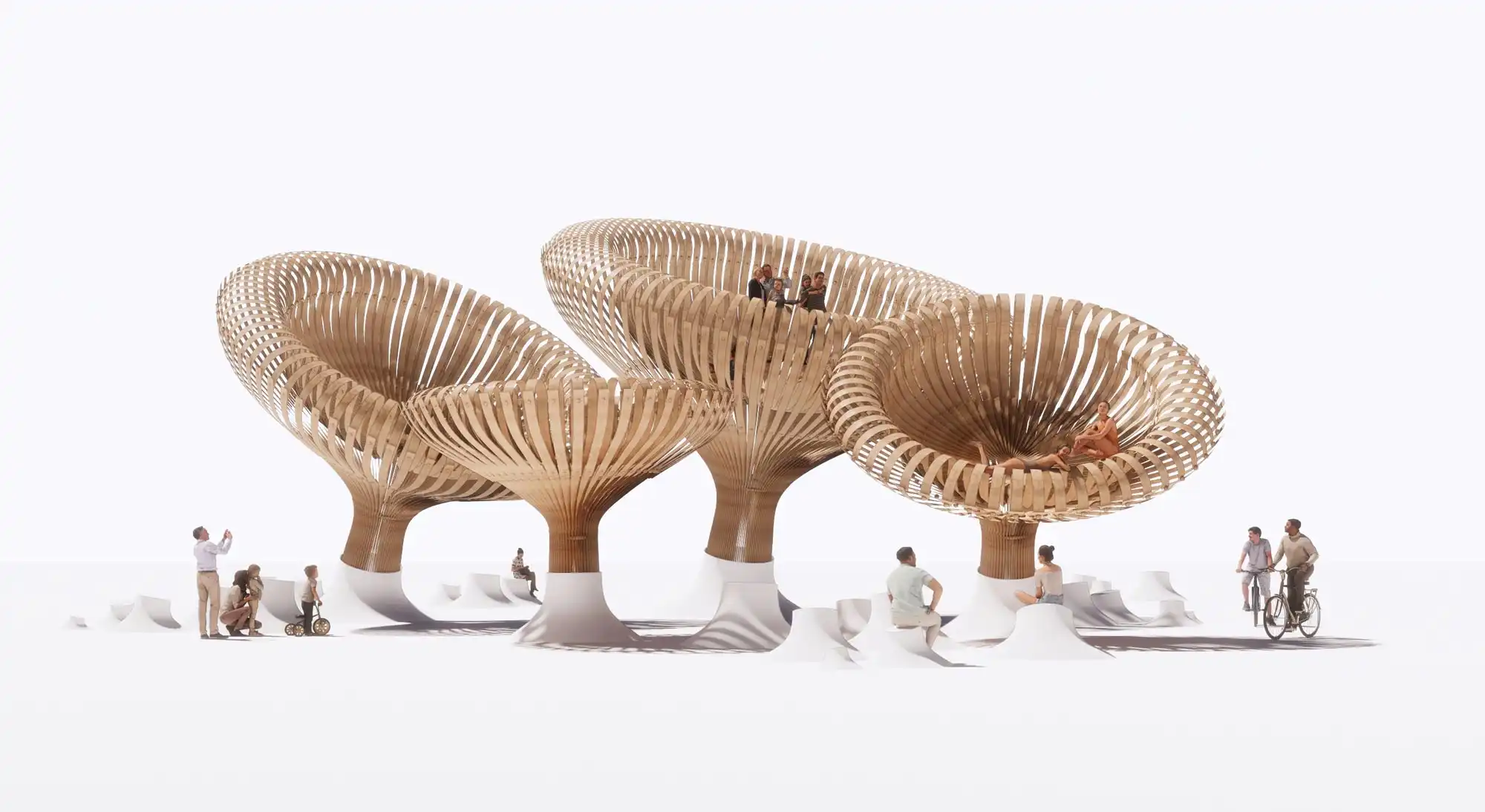
Design Schools and the Dangerous Resistance to Change
Why Is Academia Falling Behind Industry?
Despite the rapid evolution of design tools and techniques, many architecture schools remain stuck in outdated teaching models. Courses and studios often follow the same structures from decades ago, leaving students at risk of graduating with skills that don’t meet current industry demands.
Industry expectations have shifted:
- Parametric modeling is now essential.
- Building Information Modeling (BIM) is no longer optional.
- AI in design is transforming project presentation.
- Data-informed performance solutions are becoming the new standard.
If education doesn’t adapt, graduates will find themselves unprepared for a rapidly evolving profession. Worse, their creative potential will be constrained by old methodologies, limiting their ability to innovate.
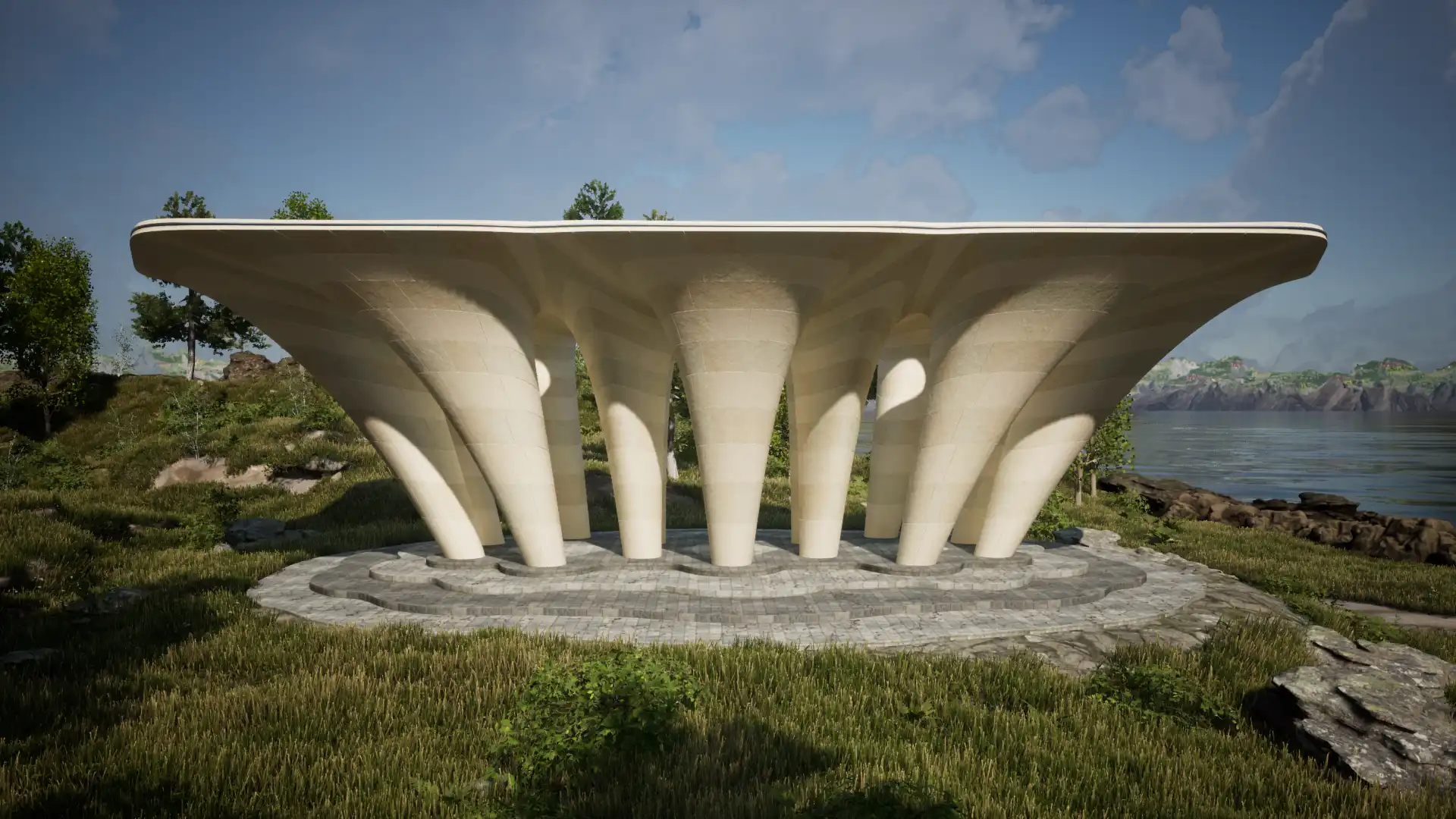
The Future Is Already Here What’s Next?
The Need for New Educational Models
The pace of change in architecture is undeniable, yet many academic institutions remain trapped in rigid systems, hindered by high costs, bureaucracy, and slow adaptation. For working professionals, returning for a master’s degree to learn AI or computational design isn’t a practical option.
If schools continue to lag, the burden shifts to the private sector, where designers must seek flexible, affordable alternatives aligned with real-world innovation. This is where platforms like Paacademy emerge, offering specialized courses in:
- Parametric design
- AI in generative architecture
- Responsive environmental structures
- Computational thinking in design
These programs don’t replicate traditional universities—they focus on current tools and challenges, serving as a vital bridge between academic education and modern industry needs.
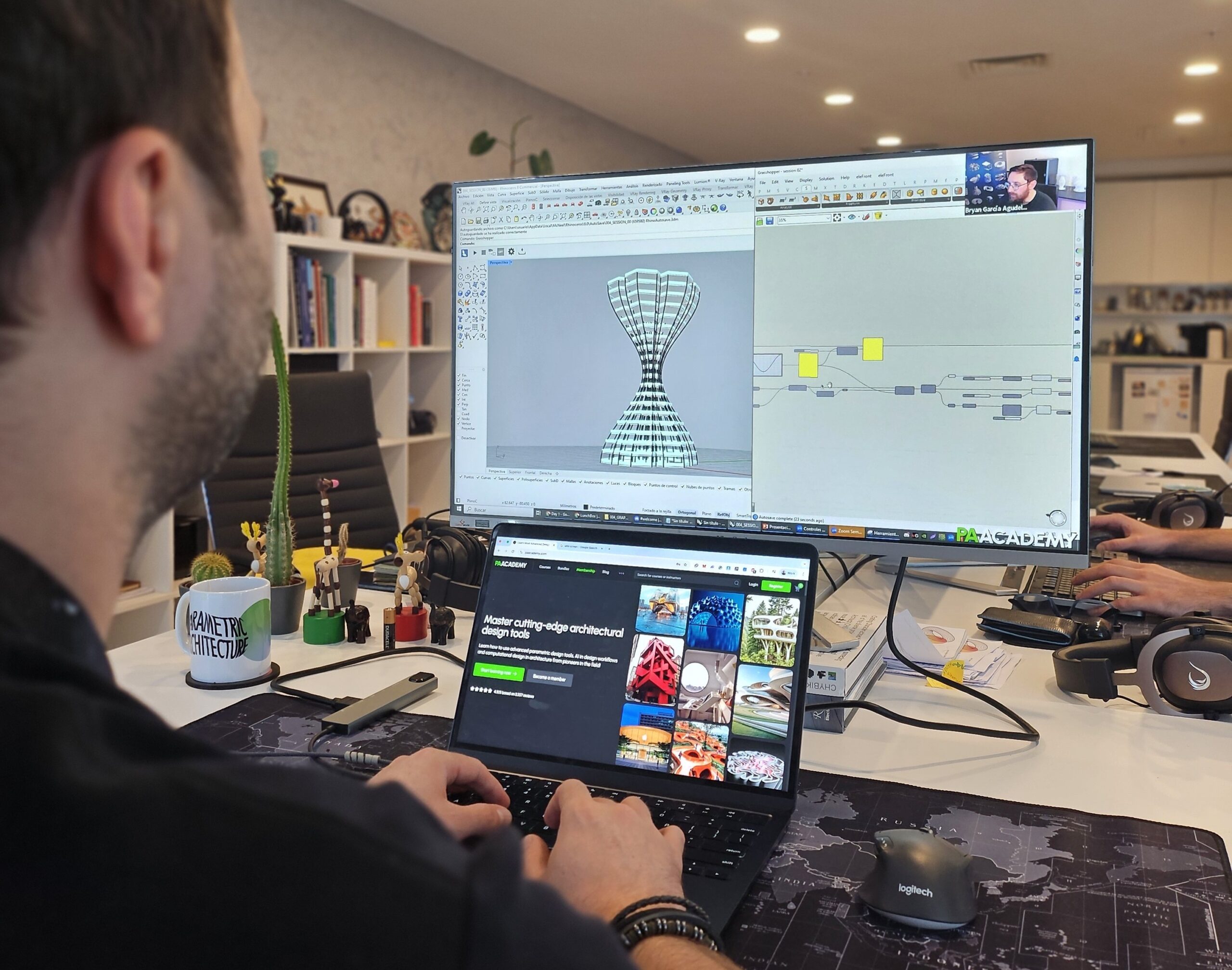
Conclusion: Smart Design Requires Smart Learning
Architecture today demands more from designers than ever before:
✔ Understanding complex systems
✔ Working with big data
✔ Collaborating with AI
✔ Designing with sustainable efficiency
If AI is advancing rapidly, and computational design is becoming fundamental to architectural practice, then education must evolve at the same pace. The future isn’t waiting—it’s being built now.
“The success of the next generation of architects won’t be measured by their ability to repeat the past, but by their courage to explore the unknown.”
To stay ahead, we must embrace flexible learning platforms like Paacademy, which integrate modern tools with strategic thinking, empowering designers to shape the future rather than just chase it.
✦ ArchUp Editorial Insight
The article explores how AI and computational tools are reshaping architectural education, emphasizing adaptability and innovation. The design image uses cool blues and grays, highlighting a modern, digital aesthetic with layered geometric forms that suggest complexity and flexibility. A key strength is the clear presentation of how technology enhances creative learning. However, the reliance on automation raises concerns about diminishing critical, independent thinking. This balanced perspective encourages readers to reflect on both the opportunities and challenges of integrating advanced technology into architectural education
Explore More with ArchUp
ArchUp documents the evolving profession of architects worldwide, from career insights and research to project profilesand industry news. Our editorial team publishes global salary trends, career advice, and opportunities for emerging talents. Learn more on our About page or Contact us to collaborate.


