Redefining Parking Structures: How Architects Are Transforming Functional Spaces into Architectural Marvels

From Functional to Aesthetic: The Evolution of Parking Structures in the Modern Era
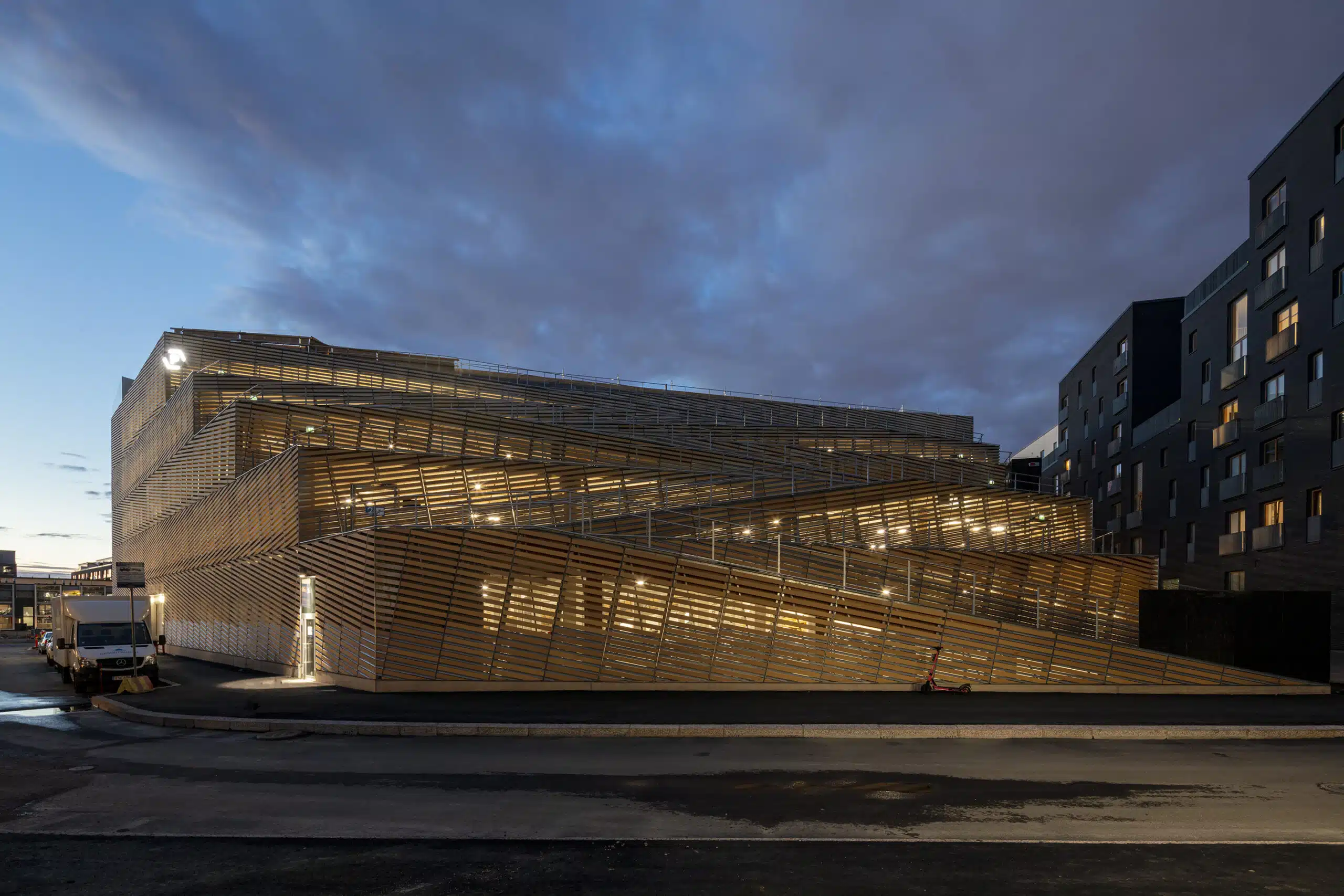
Parking structures have long been viewed as mundane, purely functional necessities concrete eyesores that lack architectural creativity. However, the 21st century has witnessed a radical transformation in their design. While some urban planners advocate for their complete removal in favor of car-free cities, others are reimagining them as opportunities for architectural innovation and urban sustainability.
Why Are Parking Structures Being Reinvented Today?
- Urban Sustainability: With a growing focus on reducing carbon footprints, modern parking structures now incorporate solar panels, green spaces, and designs that promote natural ventilation.
- Community Integration: No longer just places to park cars, they have become social hubs that enhance urban life through pedestrian pathways, seating areas, and even cultural spaces.
- Smart Technology: Many now feature intelligent systems like EV charging stations, real-time parking availability apps, and automated lighting.
Notable Contemporary Parking Structure Projects Around the World
1. Saukonlaituri Parking Facility Helsinki, Finland
Design: ALA Architects
Key Features:
- A central courtyard doubling as a stormwater basin and natural light well.
- A stepped façade transforming into a public park, seamlessly connecting street level to rooftop.
- Materials inspired by Helsinki’s traditional brickwork, ensuring harmony with the surroundings.

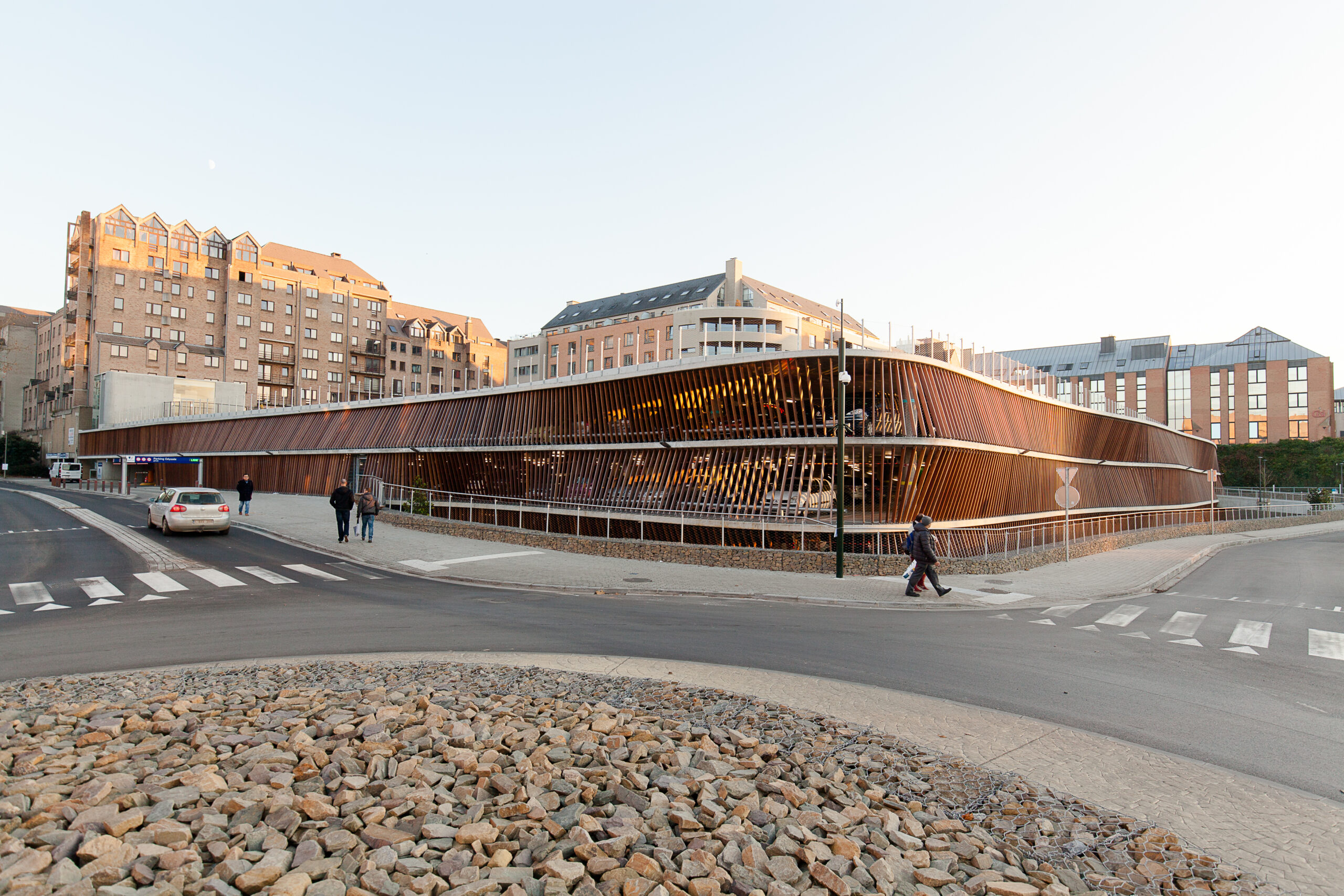
2. Cliniques Universitaires Saint-Luc Parking Garage Brussels, Belgium
Design: Gortemaker Algra Feenstra + Modulo Architects
Key Features:
- FSC-certified timber façades enhancing warmth and sustainability.
- A green roof linking the hospital to adjacent residential areas.
- Generous natural lighting for a user-friendly experience.
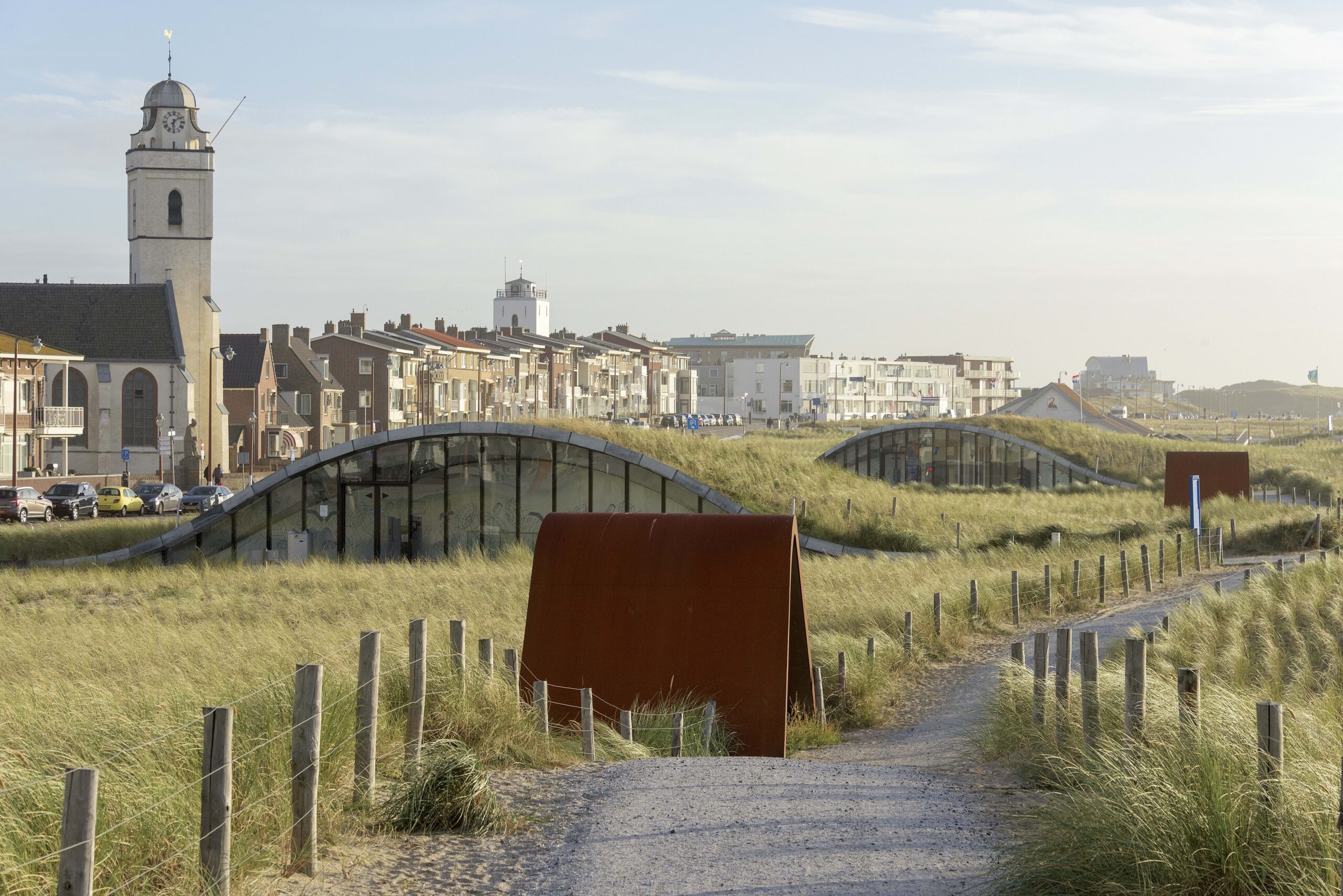
3. Kustwerk Katwijk Parking Garage Netherlands
Design: ZJA Architects
Key Features:
- Built into coastal dunes to protect against sea-level rise.
- Blends functionality with aesthetics by merging into the natural landscape.
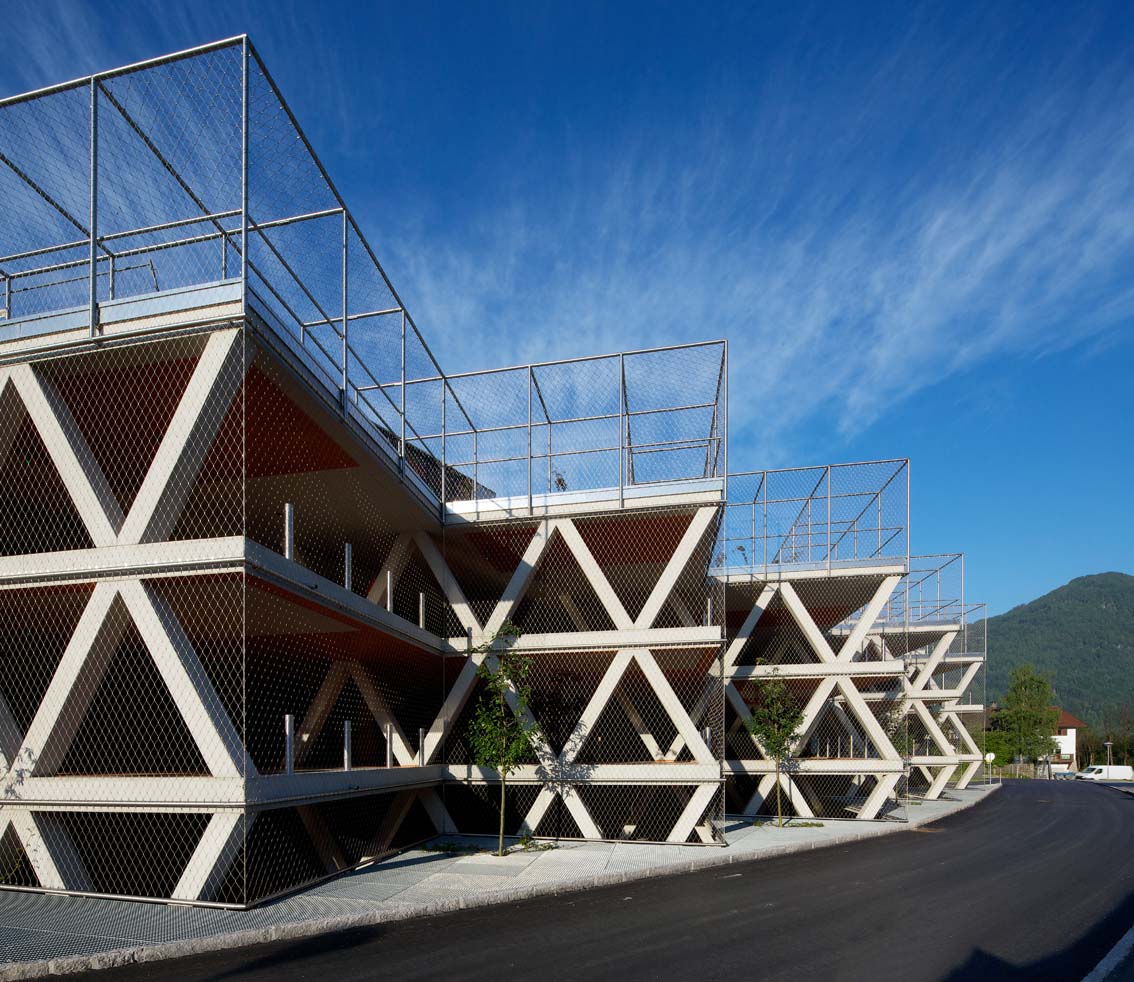
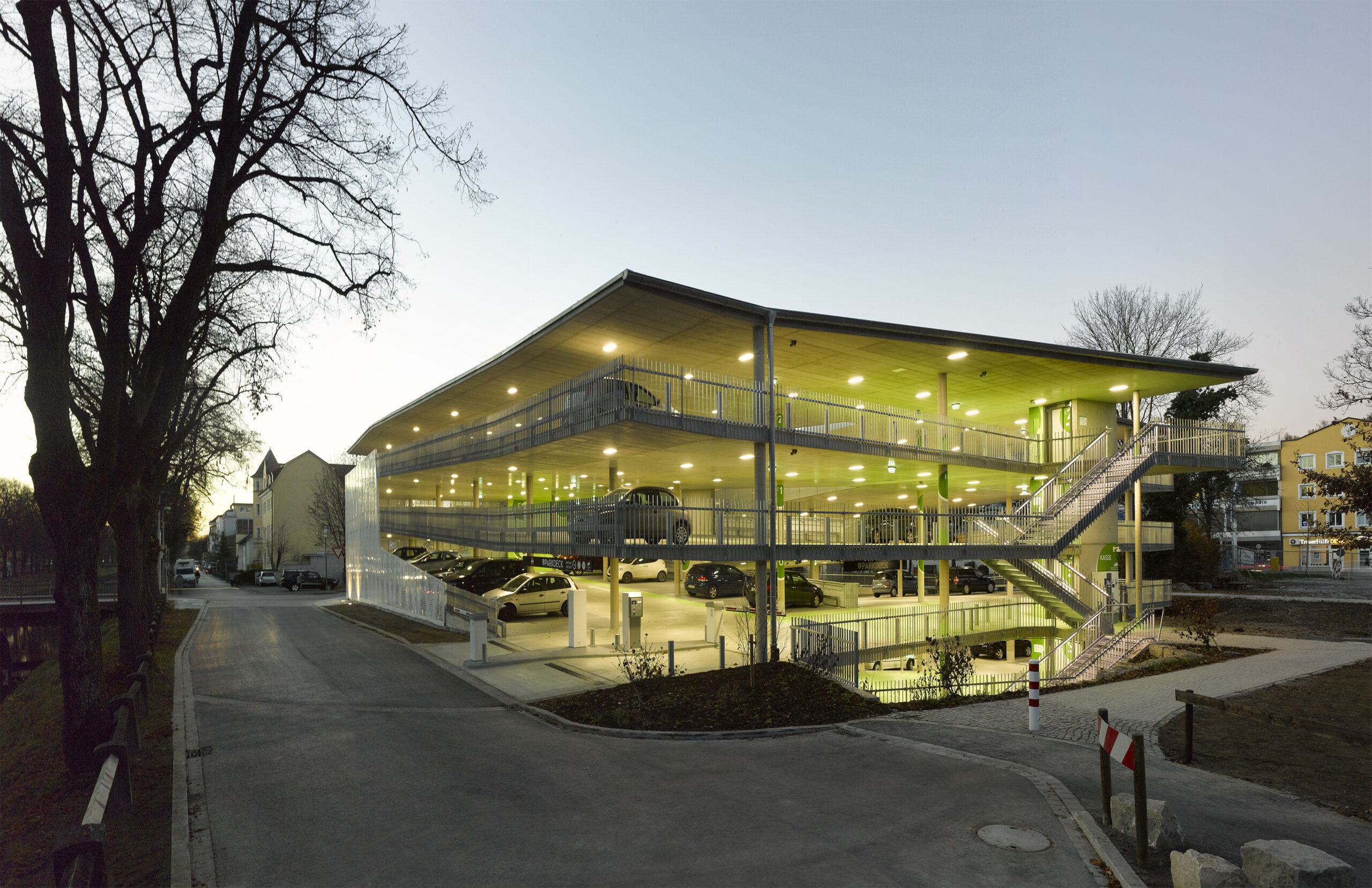
4. Kolbermoor Parking Structure Germany
Design: Behnisch Architects
Key Features:
- Perforated metal façades allowing light and airflow.
- Pedestrian pathways connecting city hall and a nearby park.
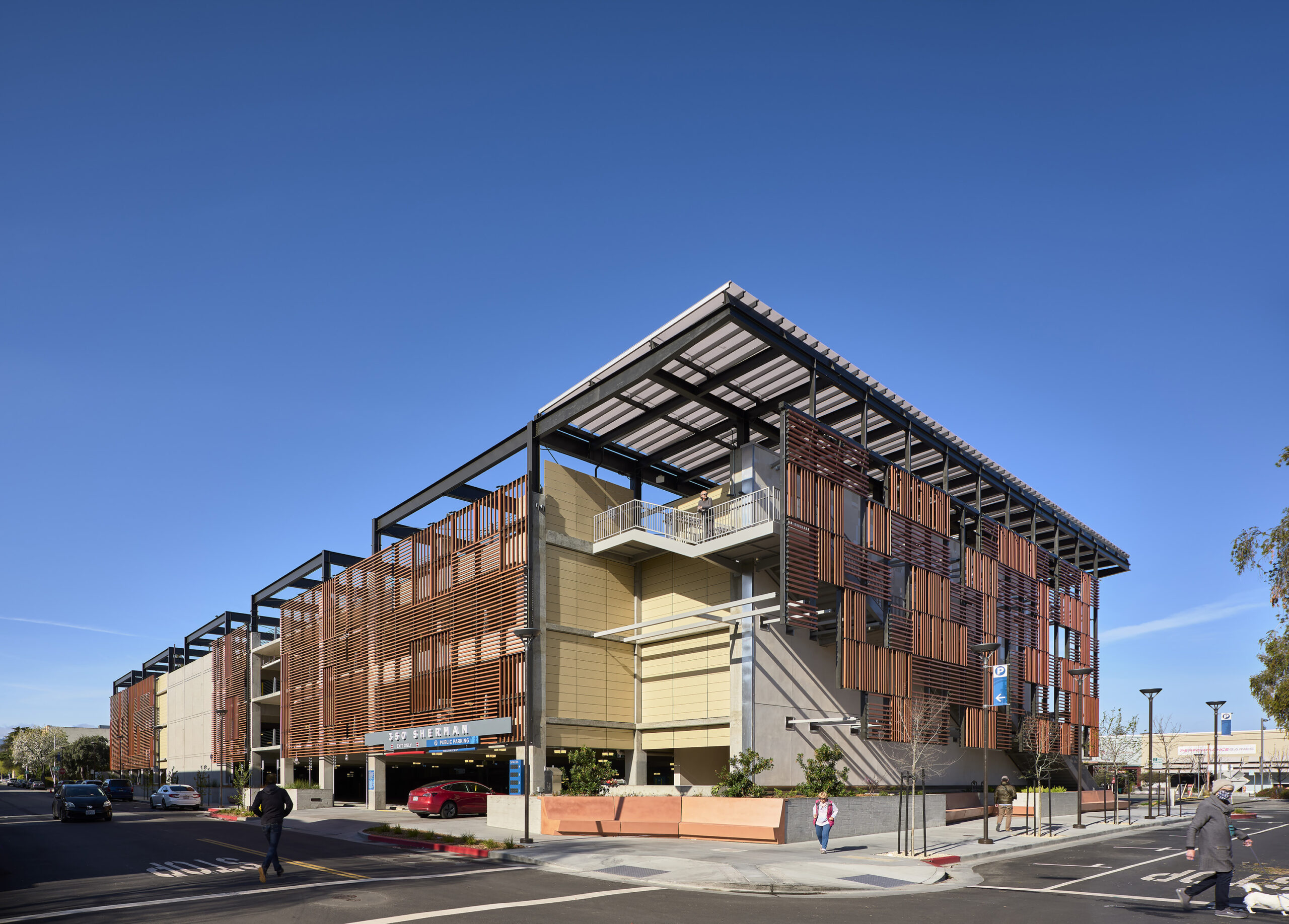
5. Piteå Parking House Sweden
Design: Henning Larsen
Key Features:
- A multi-functional roof: a lush amphitheater in summer, a ski slope in winter.
- Transforms a utilitarian space into a vibrant social attraction.
Key Takeaways: How Can Parking Structures Enhance Urban Identity?
- Local Materials: Use sustainable, context-sensitive materials to blend with the environment.
- Multi-Functionality: Integrate public plazas, green roofs, or retail spaces to encourage social interaction.
- Technological Innovation: Smart parking systems, EV infrastructure, and seamless transit connections.
✦ ArchUp Editorial Insight
The reinvention of parking structures reflects a broader architectural shift where utility and artistry converge to create sustainable, community-driven spaces. These projects debunk the myth that infrastructure must be uninspiring, proving even parking garages can become civic landmarks. However, some designs risk favoring form over function, potentially complicating user navigation. Despite this, the emphasis on green technology, renewable energy, and social engagement sets a new benchmark for urban planning. By treating parking facilities as canvases for innovation, architects are not just solving logistical challenges but actively enhancing the urban fabric, proving that every structure can contribute to a city’s vitality.
Explore More with ArchUp
ArchUp documents the evolving profession of architects worldwide, from career insights and research to project profilesand industry news. Our editorial team publishes global salary trends, career advice, and opportunities for emerging talents. Learn more on our About page or Contact us to collaborate.