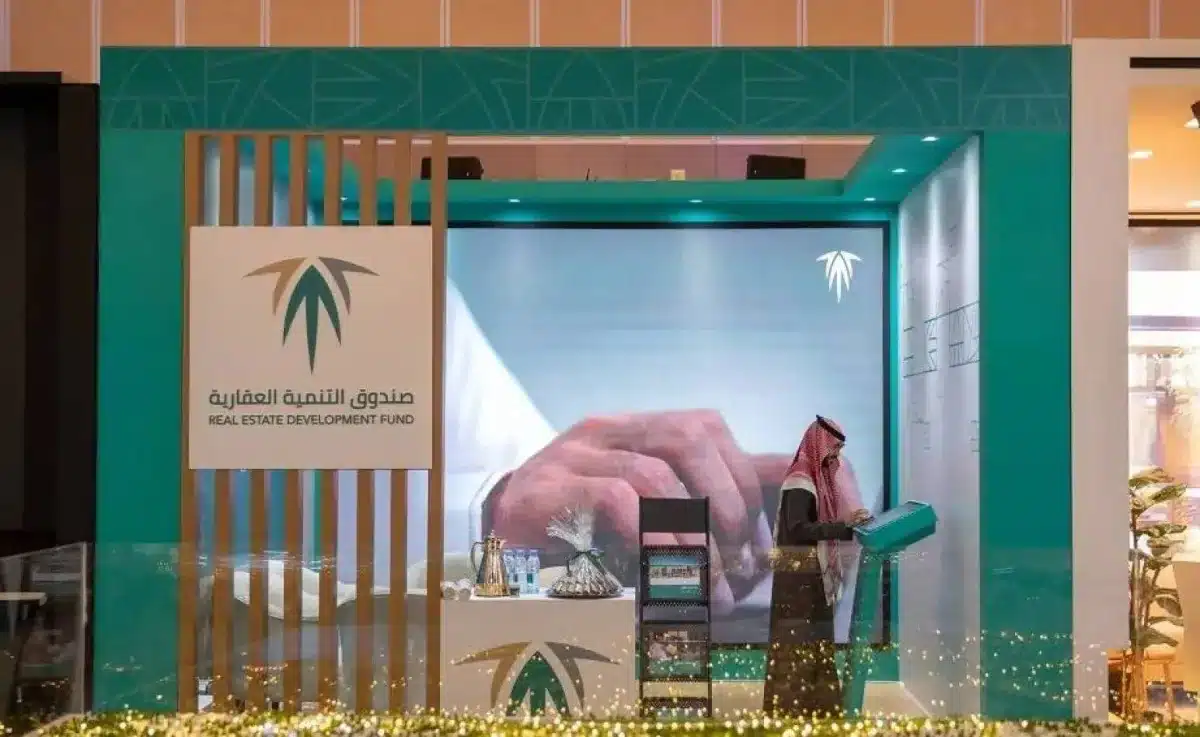
Real Estate Development Fund Deposits SAR 1.034 Billion for Housing Support Beneficiaries

The Real Estate Development Fund (REDF) announced on Wednesday that it has deposited SAR 1.034 billion into the accounts of beneficiaries of the Housing Support Program, operated by the Ministry of Municipalities and Housing and the REDF, for December 2025.
Support for Housing Finance Programs
The Fund stated that the total amount allocated for December was directed toward supporting profit payments for various housing finance programs, as part of efforts to enhance beneficiaries’ ability to own homes, in line with the objectives of the Housing Program, one of the key initiatives under Saudi Vision 2030.

Total Deposits Since January 2025
According to the Saudi Press Agency (SPA), the REDF noted that total deposits made into beneficiaries’ accounts from January 2025 through December 2025 reached approximately SAR 12.4 billion.
Expanding Financing Solutions
The Fund reaffirmed its commitment to developing innovative financing solutions, in cooperation with financial institutions and real estate developers, to facilitate the homeownership journey and expand access to suitable housing and financing options, within its strategic pillar of sustainable homeownership for future generations.

Longstanding Role in Housing Development
Established in 1974, the Real Estate Development Fund continues to play a key role in enabling Saudi families to own suitable housing, through the provision of innovative and sustainable housing and financing solutions.
✦ ArchUp Editorial Insight
The Real Estate Development Fund’s December 2025 disbursement situates Saudi housing policy within a Contemporary welfare-oriented development model, where financial instruments directly shape residential production and access. By channeling support toward profit payments rather than direct construction, the approach foregrounds functional resilience in housing delivery, relying on market mechanisms to translate policy into built form across the urban fabric. However, this finance-led strategy invites critical reflection on contextual relevance: does sustained liquidity alone ensure spatial quality, affordability, and long-term community cohesion, or does it risk reinforcing standardized housing outcomes detached from local needs? Conversely, the Fund’s emphasis on innovative financing partnerships suggests an evolving material expression of policy, where architecture is indirectly curated through economic levers. Ultimately, the initiative reflects an architectural ambition centered less on iconic form and more on structuring a sustainable ecosystem for homeownership under Vision 2030.