Reversible Destiny Lofts Mitaka: Tokyo’s ‘House to Not to Die’ Turns 20

Tokyo’s Reversible Destiny Lofts Mitaka**—one of the world’s most radical architectural experiments—celebrates its 20th anniversary in 2024. Designed by **Shusaku Arakawa and Madeline Gins, this nine-unit residential complex defies conventional living spaces with its bold philosophy: a house that actively fights stagnation and mortality by stimulating the body and mind.
A Visionary Architectural Experiment:-
Completed in 2005, the Reversible Destiny Lofts were conceived as a built manifesto of Arakawa and Gins’ “procedural architecture”**—a theory that environments can reshape human behavior and longevity. Inspired by **Helen Keller’s resilience, the lofts challenge occupants through:
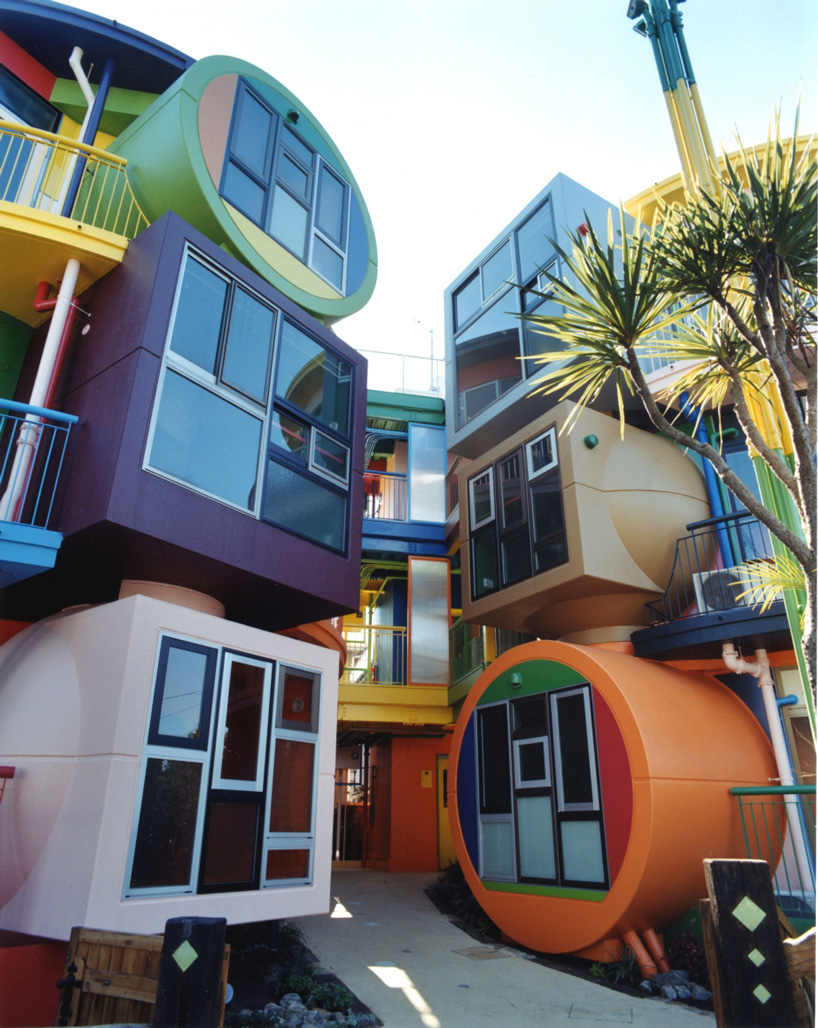
– Geometric irregularity: Cubes, spheres, and tubes stacked in disorienting configurations.
– Sensory overload: 14 vibrant colors coating walls, ceilings, and floors.
– Physical engagement: Uneven floors, sudden drops, and vertical poles forcing adaptive movement.
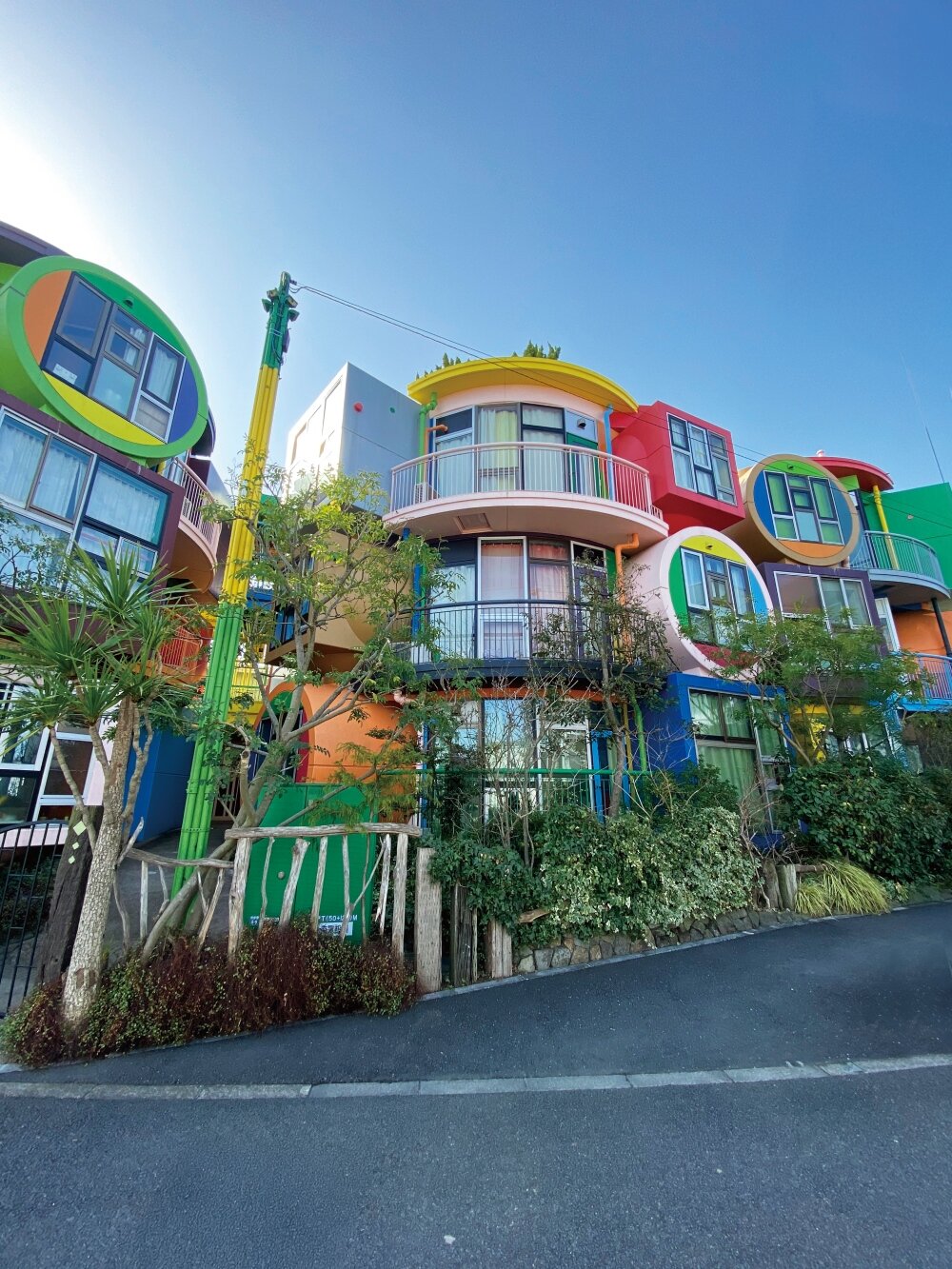
Inside the Lofts: A Playground for the Senses:-
The lofts reject architectural neutrality, instead promoting **”reversible destiny”**—the idea that space can rewrite life’s trajectory. Key features include:
– Multi-level floors – Encouraging climbing and balancing.
– Varied ceiling heights – Disrupting spatial predictability.
– Color-saturated surfaces – Stimulating visual perception.
From Residences to Cultural Landmarks:-
Originally a residential project, the lofts now serve as:
– Short-term rentals (bookable via **Airbnb**).
– Educational spaces for architecture and philosophy workshops.
– Cultural venues, with a 20th-anniversary exhibition showcasing their legacy.
For more inspiring articles and insights, explore the archives.
Note: This article has been reviewed and edited by the archup editorial team to ensure accuracy and quality