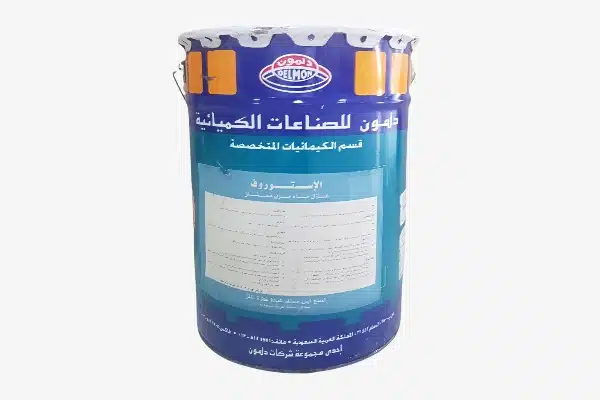
Roof waterproofing membranes are protective layers applied to building rooftops to prevent water penetration, leaks, and moisture accumulation. These membranes come in various forms—bituminous rolls, liquid coatings, or synthetic sheets—and are critical for preserving the structural integrity of roofs.
Main Uses
Waterproofing residential and commercial rooftops
Protecting concrete roof slabs from rainwater infiltration
Preventing water leakage in flat and sloped roofs
Enhancing insulation when used with thermal layers
Ideal for new construction and renovation projects
Types of Roof Waterproofing Membranes
Type
Description
Bituminous Membrane
Roll-based sheets made from bitumen and polymers, often torch-applied
Liquid Applied Membrane
Coating brushed or sprayed directly on roof surfaces, forms seamless waterproof layer
PVC/TPO Membrane
Synthetic single-ply sheets with high flexibility and UV resistance
Polyurethane Coating
Durable, liquid-applied material suitable for complex roof shapes
Technical Specifications (Typical for Bituminous Membrane)
Property
Value
Thickness
3–5 mm
Base Material
Modified Bitumen with SBS or APP polymers
Reinforcement
Polyester or fiberglass mat
Tensile Strength
≥500 N/5cm
Elongation
≥30%
Water Tightness
100% up to 10 bar
UV Resistance
Medium to high (depends on coating type)
Installation Temperature
+5°C to +45°C
Application Method
Torch-on, cold adhesive, or mechanical fix
Advantages
Provides long-term protection against water and moisture
Resists UV radiation, weathering, and temperature variations
Easy maintenance and repair
Suitable for various roof types: concrete, metal, wood
Reduces energy loss when paired with insulation
Cost-effective waterproofing solution
Application Areas
Flat roofs of residential buildings
Commercial and industrial roofs
Roof gardens and terraces (with protection layer)
Car parking roofs
Metal roofs requiring weatherproofing
Renovated old rooftops prone to leaks
Installation Tips
Surface must be clean, dry, and free of dust or grease
Apply primer if required before membrane placement
For bituminous membranes, ensure proper overlap and torch application
Inspect for air pockets and ensure full adhesion
Protect with tiles, screed, or insulation if exposed to traffic
Schedule annual inspection for optimal performance
Baidaa Nouri, a writer passionate about architecture and architectural competitions. She specializes in analyzing groundbreaking projects and exploring the latest innovations in design and construction. Her work aims to inspire readers and enrich their architectural knowledge.