

Scarab 2.0: Design and Performance Analysis of Everyday Carry Knives

Common Challenges of Everyday Carry (EDC) Knives
The main issue with most everyday carry (EDC) knives is that they are often either aesthetically pleasing or practically functional, but rarely both. Cheap materials can make knives appear low-quality, while complex or rigid mechanisms may make them cumbersome to use. Moreover, blades tend to lose their sharpness quickly, reducing their effectiveness in daily tasks. As a result, users are often forced to choose between appearance and performance, limiting the overall experience.
A New Approach in Design
To address these challenges, some designers have adopted a different approach aimed at enhancing both aesthetics and functionality simultaneously. Instead of compromising quality to reduce costs, high-performance materials such as aviation-grade titanium and carbon fiber are employed, alongside blades made from M390 steel, renowned for its durability and long-lasting sharpness.
Combining Beauty and Functionality
The result is a tool that blends visual appeal with practical capability, offering daily durability and comfort without sacrificing either aspect. This analytical approach highlights how intelligent design can solve traditional usability problems and emphasizes the importance of selecting appropriate materials and technologies to meet users’ everyday needs.

Design and Materials: Balancing Beauty and Functionality
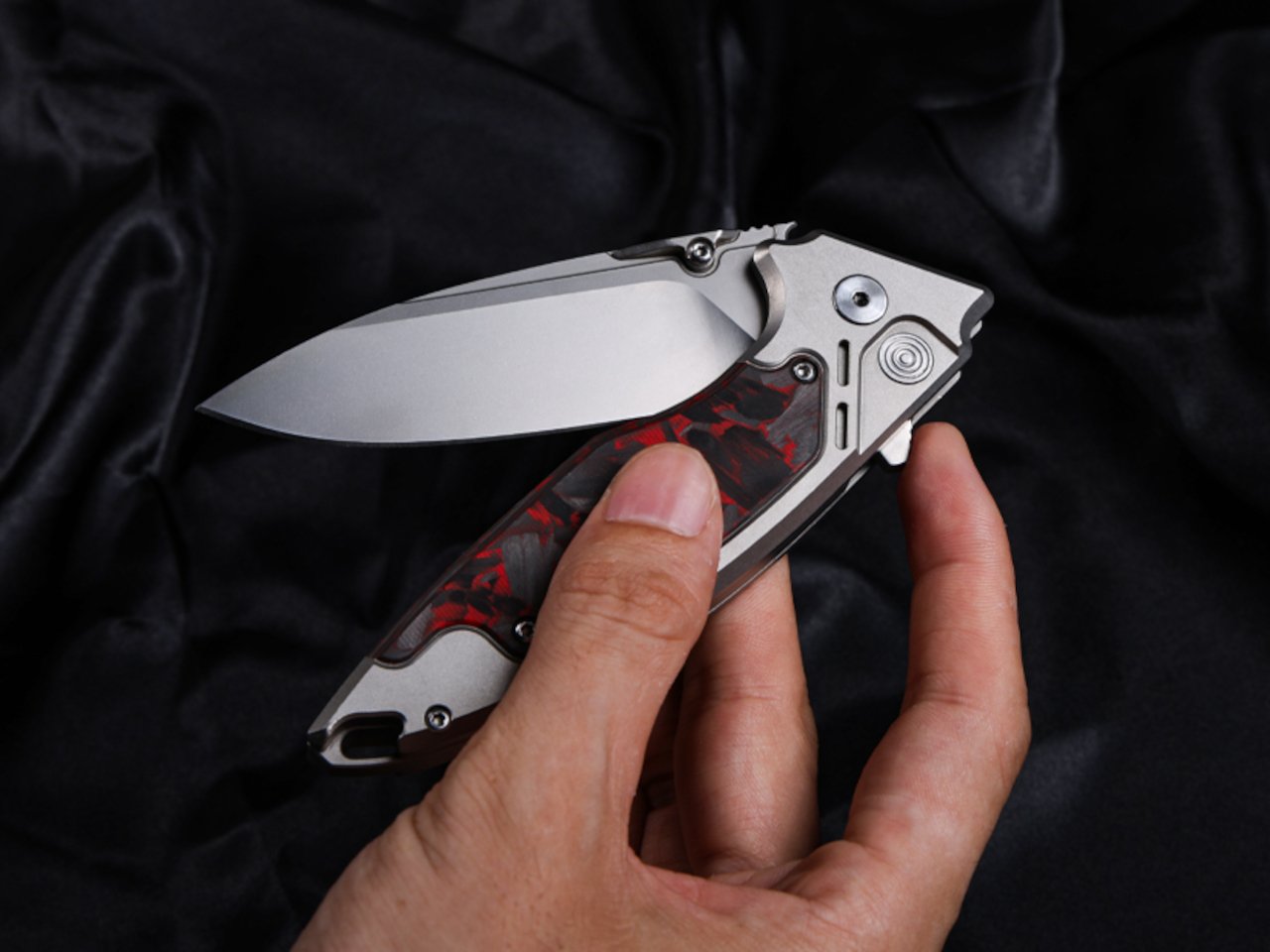
The Scarab 2.0 catches the eye from the very first glance, thanks to the careful selection of materials and attention to design details. Carbon fiber inserts in red or black reflect light strikingly, highlighting the tool’s technical structure.
Industrial Elegance and Its Impact on Use
Additionally, the precisely crafted titanium frame provides a balance between durability and visual appeal, a goal that many luxury knives strive for but rarely achieve. This combination of materials not only enhances appearance but also elevates the user experience; the knife feels stable and controlled in hand, demonstrating how aesthetic design can harmonize seamlessly with practical performance.
Ease of Opening and Handling Daily Challenges
Opening a knife under challenging conditions, such as cold hands, humidity, or fatigue, can be extremely frustrating when using many traditional knives. Therefore, ease of opening is a critical factor in assessing the efficiency of any everyday tool.
Variety of Opening Mechanisms
The Scarab 2.0 addresses this issue by offering three different blade-opening methods: a thumb stud, a button lock, and a flipper mechanism. This variety allows users to choose the most suitable method according to the circumstances, without encountering difficulty or frustration.
Smooth Operation and Precision
Furthermore, the roller bearing system ensures that each opening method is smooth and reliable, minimizing the rough or stiff movements commonly experienced in many other knives. This demonstrates how intelligent design can tangibly enhance the daily user experience.

Durability and Long-Lasting Sharpness of the Blade
What truly sets this knife apart is its blade made from M390 steel. While many traditional knives tend to lose their sharpness after just a few weeks of regular use, this steel allows the edge to retain its sharpness for months of continuous daily use.
Precision Cutting and Control
Moreover, the 15-degree edge angle contributes to clean and precise cuts every time. Whether used for opening boxes or preparing food outdoors, the blade’s precise design minimizes errors caused by inaccurate cutting, highlighting the importance of material selection and edge geometry in meeting the demands of daily tasks.

Handle Design and Its Impact on Performance
The handle of the Scarab 2.0 goes beyond aesthetics to become a key element in performance. The GR5 titanium frame, the same metal used in aircraft components, provides exceptional strength without adding weight, enhancing the knife’s durability and resilience.
Secure and Comfortable Grip
Additionally, the textured carbon fiber offers a stable and secure grip, even when using the knife with wet hands or while wearing gloves. This attention to design details ensures optimal comfort and control for the user, demonstrating how the right materials and design approach can significantly improve the daily user experience.
Practical Features and Storage
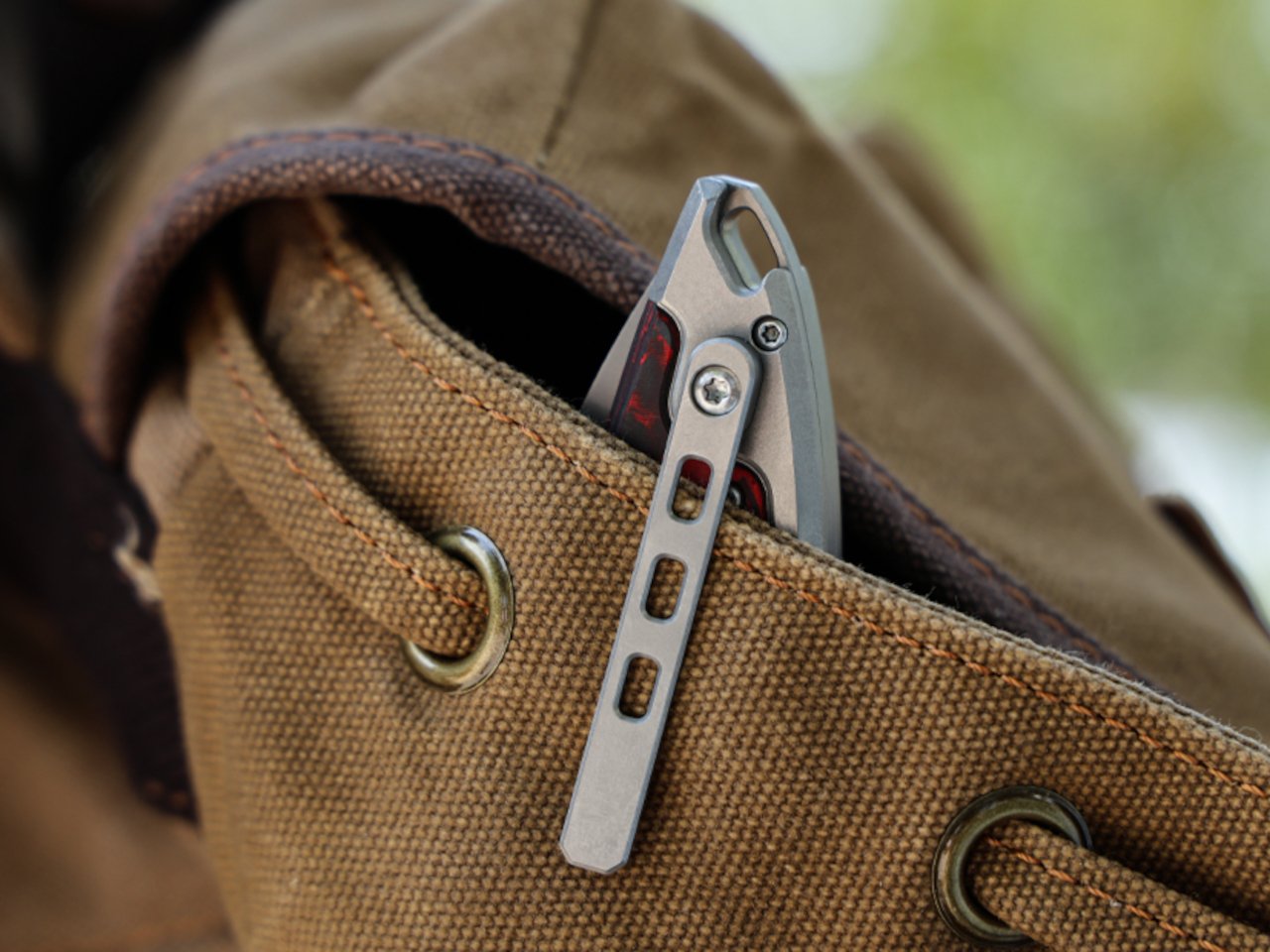
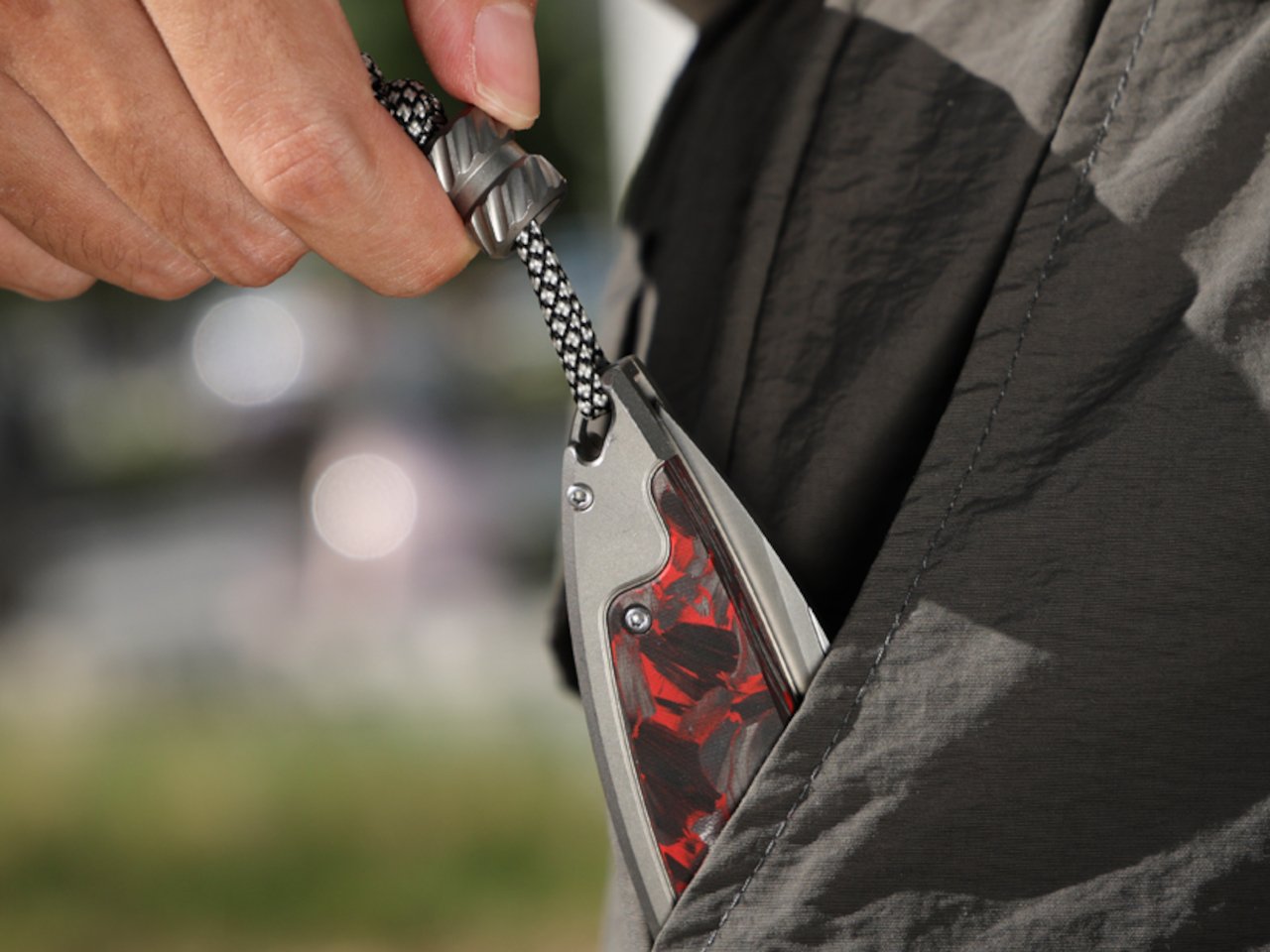
The Scarab 2.0 demonstrates how practical features can enhance the efficiency of an everyday carry tool. The deep carry clip keeps the knife securely in the pocket, while the lanyard hole offers additional carrying or attachment options according to the user’s needs.
Visibility and Appropriate Size
Additionally, the knife features four tritium vials compatible with luminous tubes, making it easy to locate in low-light conditions. With a length of 4.59 inches when folded, the knife combines compact size with ease of carry, without compromising the practical capabilities required for daily tasks.
Durability and the Impact of High-Quality Materials
The durability of the Scarab 2.0 goes beyond merely choosing premium materials for its construction. The titanium frame and M390 steel blade resist sweat, rain, and humidity, ensuring consistent performance under various conditions. The carbon fiber components add extra rigidity while keeping the overall weight low at 2.9 ounces, highlighting the importance of material selection in enhancing durability and everyday usability.
Sustainability in Manufacturing
Even the manufacturing process reflects a focus on sustainability. Titanium components are recyclable, while precise CNC machining reduces material waste. This approach demonstrates how long-lasting tools can be designed with environmental impact in mind, adding an analytical dimension to evaluating quality and durability in everyday products.

Merging Aesthetics and Functionality
The Scarab 2.0 illustrates how a design that balances aesthetics with practical functionality can enhance the daily user experience. It delivers consistent performance across various conditions, whether during office work or outdoor activities and adventures, emphasizing the importance of an integrated design that meets multiple user needs.
Moving Beyond Compromises Between Form and Performance
Instead of compromising between visual appeal and actual performance, this design demonstrates how everyday tools can effectively combine both aspects. This provides an analytical perspective on how knife design can be reimagined to deliver practical and aesthetic value simultaneously.
✦ ArchUp Editorial Insight
When looking at the Scarab 2.0 from a broader perspective, several notable strengths in its design can be appreciated, such as the combination of high-quality materials and durability, and the harmony between form and performance. This kind of attention to detail can serve as inspiration in designing tools and small architectural components that require integrating aesthetics with practical functionality, such as door handles or movable elements in interior spaces.
However, several reservations arise when attempting to directly apply this concept to the field of architecture. The technology and materials used, while highly effective in a small tool, do not easily translate to larger or more complex projects, where factors such as cost, project scale, and safety standards come into play. Additionally, focusing on exceptional durability and advanced materials may overshadow other important architectural priorities, such as overall sustainability, environmental integration, and long-term maintenance ease.
Furthermore, the knife’s design centers on individual, daily use, whereas architecture requires collective consideration and adaptation to diverse users and spaces, limiting the direct applicability of its principles. Nevertheless, this analysis can inform architectural practice by emphasizing careful material selection, studying the balance between aesthetics and functionality, and adopting a design approach that considers comfort and practical usability, even if applied on a smaller scale or in specific details within a project.
Prepared by the ArchUp Editorial Team
Don’t miss the chance to explore more from Architecture, Archive, and Buildings on the ArchUp website.


