

Semi Transparent Solar Panels Open New Possibilities for Building Facades

Lead
A new generation of semi transparent solar panels can be integrated directly into building facades and roofs, offering architects innovative tools to harness natural light and generate energy without compromising interior spaces or the overall aesthetic of the building.

Article Body
Integrating Energy into Design
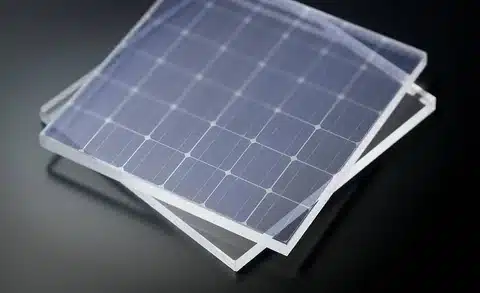
These panels mark a significant step toward sustainable architecture, turning facades into electricity sources while allowing daylight to illuminate interior spaces. Their high transparency enables architects to control natural lighting, while thermal layers reflect excess heat, reducing its impact on the building.

Material Innovation
The panels use ultra thin films, less than a micron thick, combined with multi layered transparent electrodes. This approach maintains the building’s appearance and allows architects to incorporate solar technology into designs without altering the color, shape, or overall aesthetic.
Benefits for Architects
The technology opens new design opportunities, allowing facades to function both as an architectural feature and as a power source. Architects can now explore energy generating facades that maintain open, naturally lit spaces, enhancing user experience while increasing building sustainability.

Experimental and Practical Phase
Although the panels are currently being tested for performance and durability, results suggest they can be applied in both residential and commercial buildings. This allows architects to consider integrating solar energy into their future projects more seamlessly.
Conclusion
This technology represents a meaningful step toward combining sustainability and renewable energy with architecture, giving architects new ways to rethink building facades in both functional and aesthetic terms.
✦ ArchUp Editorial Insight
This emerging technology of semi transparent solar panels demonstrates the potential of integrating energy generation directly into building facades while allowing natural light to permeate interiors. Analytical visuals highlight multi layered transparency and thermal reflective surfaces that balance daylight. Yet, while visually coherent, the impact on interior heat distribution and occupant experience remains limited, raising questions about efficiency in larger or complex structures. Nevertheless, the technology presents architects with a valuable opportunity to rethink facade design sustainably, combining solar energy functionality with architectural expression.
Explore the Latest Architecture Exhibitions & Conferences
ArchUp offers daily updates on top global architectural exhibitions, design conferences, and professional art and design forums.
Follow key architecture competitions, check official results, and stay informed through the latest architectural news worldwide.
ArchUp is your encyclopedic hub for discovering events and design-driven opportunities across the globe.


