
Soudah Development Commissions Major Power Infrastructure for Mountain Resort Destination

The SAR 1.3 billion agreement aims to establish a comprehensive electrical grid to support the vertical development of Saudi Arabia’s highest peak.
Soudah Development, a Public Investment Fund (PIF) company, has signed a significant agreement with the National Grid SA to develop the essential electrical infrastructure for the Soudah Peaks project. Valued at SAR 1.3 billion (approximately $346 million), the deal marks a critical phase in the construction of the luxury mountain destination located in the Aseer region. The initiative focuses on establishing a reliable energy network capable of supporting the high-altitude development, which sits 3,015 meters above sea level.
This infrastructure package is a prerequisite for the broader realization of the Soudah Peaks master plan. By securing a high-capacity power supply, the developers aim to overcome the logistical challenges posed by the rugged terrain. The project is positioned as a key component of the national tourism strategy, requiring robust utilities to support a mix of hospitality, residential, and commercial functions in a remote location previously defined by limited accessibility.
Under the terms of the agreement, the National Grid SA—a subsidiary of the Saudi Electricity Company—will design and construct a fully integrated electrical network. The scope of work includes the erection of a central transmission station and two additional substations. These facilities will serve as the backbone for the development, distributing power across the various zones of the resort. The timeline and execution of these works are critical to keeping the wider projects within the destination on schedule.

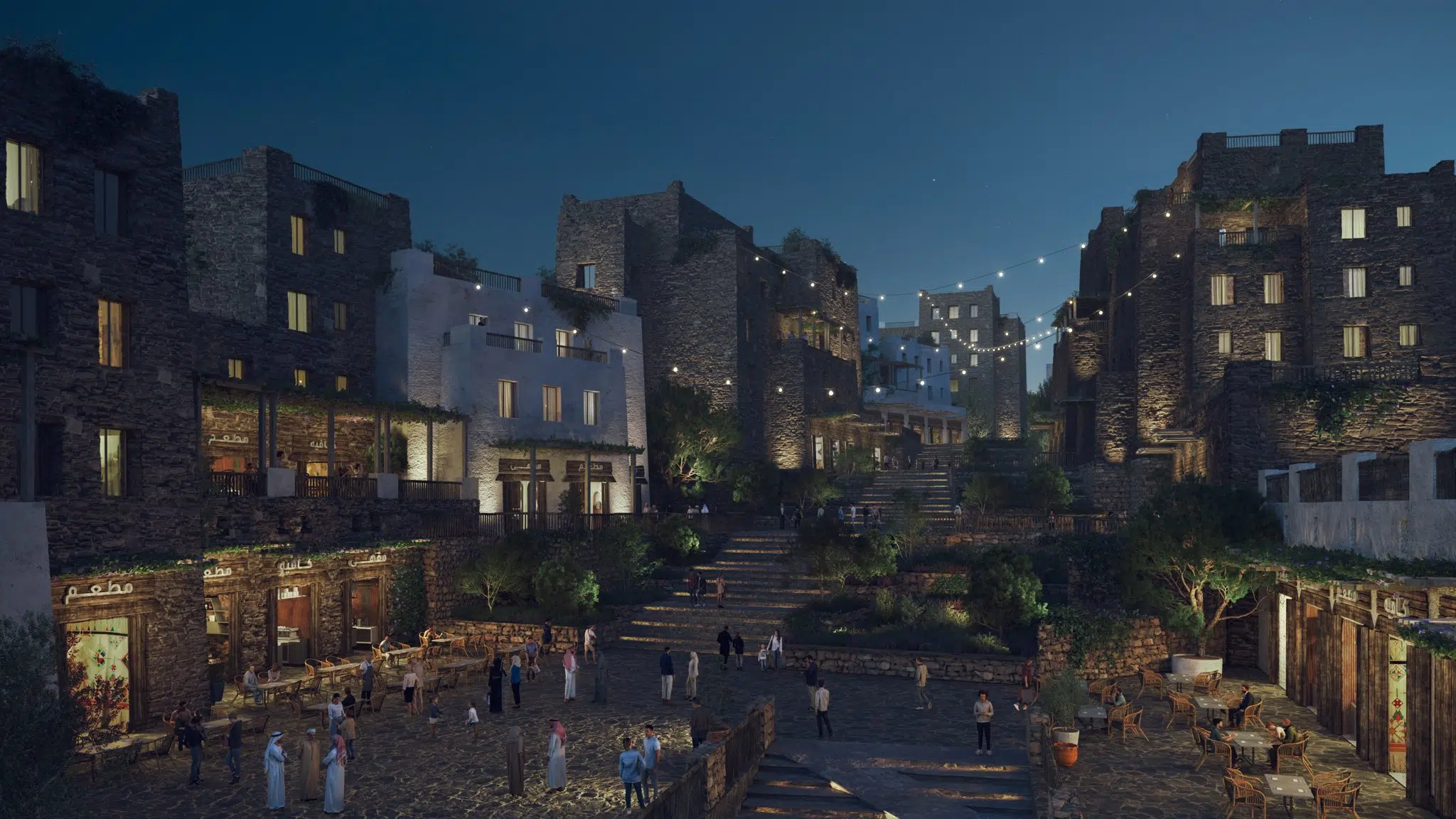
The grid is designed to power a diverse architectural program that includes luxury hospitality assets, second homes, and public entertainment spaces. Given the remote nature of the site, the reliability of the energy supply is paramount for maintaining the operational standards of high-end facilities. The infrastructure must also integrate with the site’s topography, minimizing visual impact while ensuring that energy reaches the dispersed building clusters planned for the mountain slopes.
From a technical standpoint, building high-voltage infrastructure at an altitude exceeding 3,000 meters presents specific engineering challenges. The low air density and rugged geography require specialized design considerations for insulation and transmission efficiency. This project will likely serve as a case study in high-altitude infrastructure development, potentially influencing future architectural research regarding construction methods in extreme environments.
The development of Soudah Peaks aligns with broader trends in creating self-sustaining tourism hubs outside of major urban centers. As Saudi Arabia continues to expand its cities and leisure destinations, the demand for advanced utility networks has grown. This agreement ensures that the site will have the capacity to support not just the initial phases, but also long-term growth and potential future expansions of the built environment.
ArchUp Perspective
The establishment of a heavy-duty power grid in such a sensitive ecological and topographical context fundamentally changes the possibilities for architecture on the mountain. Reliable electricity allows for advanced climate control, automation, and lighting systems that were previously unfeasible in this vernacular context. For the future users and residents, this means the seamless integration of modern comfort with the raw experience of nature. However, the challenge remains in masking this heavy infrastructure to ensure it does not compromise the visual serenity that defines the destination.
The partnership represents a foundational step in transforming the conceptual vision of Soudah Peaks into a physical reality. With the energy backbone secured, subsequent phases of vertical construction and sustainability implementation can proceed, moving the region closer to becoming a fully operational year-round destination.
✦ ArchUp Editorial Insight
The article highlights the Soudah Development’s commitment of SAR 1.3 billion toward heavy power infrastructure, a crucial foundational step for the Soudah Peaks resort, which blends traditional Aseeri stone architecture with contemporary luxury. The project presents immense structural challenges due to its 3,000-meter altitude and rugged topography. However, the critique must question the environmental feasibility of relying on a conventional high-voltage grid in such a sensitive ecological area; will this heavy infrastructure compromise the visual serenity and sustainability of the mountain’s natural context, or will advanced engineering successfully mask the facilities? Nevertheless, securing this robust energy backbone is a vital functional prerequisite for ensuring the high operational standards and long-term viability required for a global mountain destination, demonstrating a deep commitment to the region’s ambitious tourism strategy.


