
Strangeways Manchester Regeneration Plan A Sustainable Urban Transformation for the City’s North

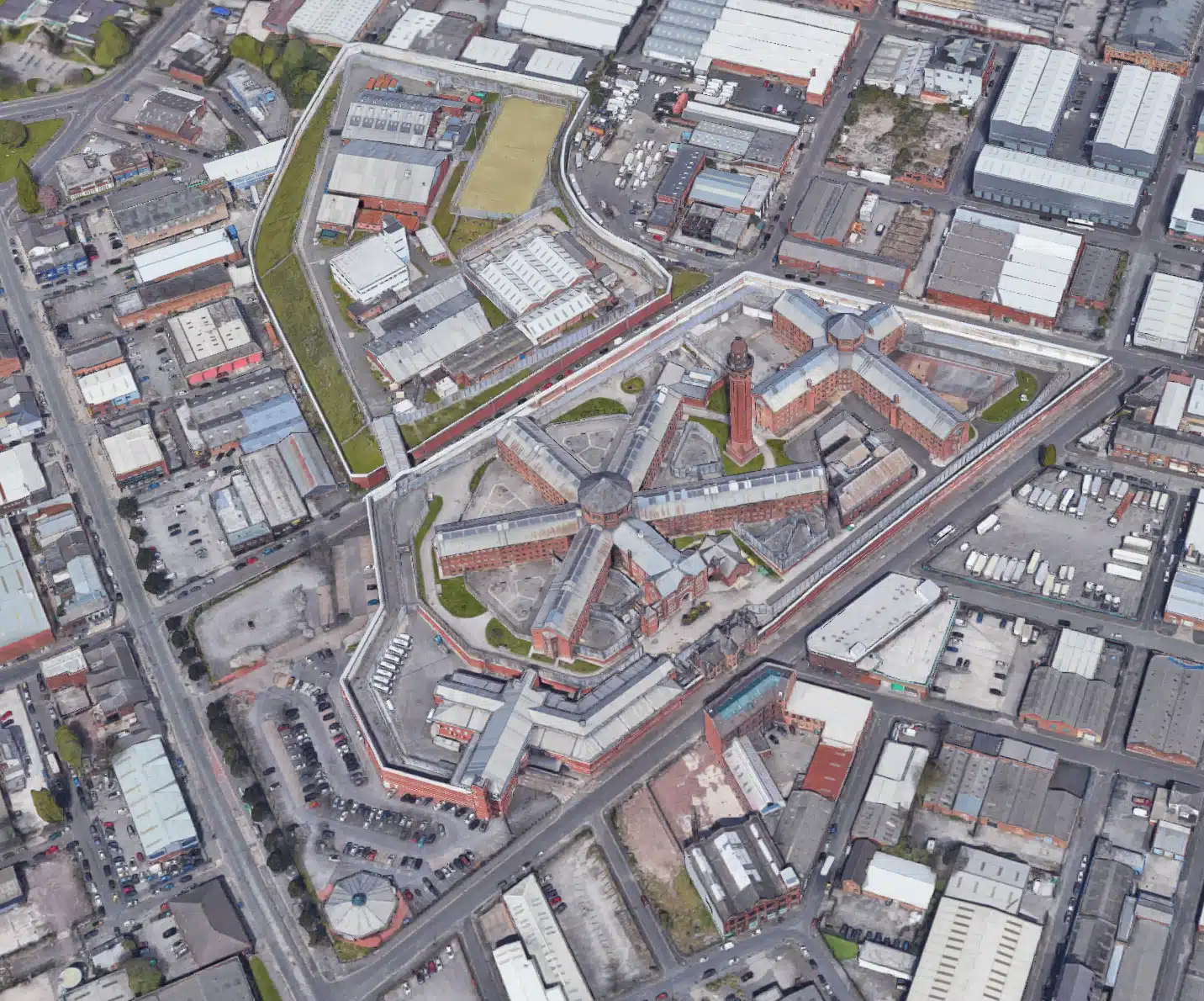
In the heart of Manchester’s northern districts, the Strangeways Manchester Regeneration Plan offers a visionary framework to reshape the urban landscape. It transforms a former industrial zone into a sustainable, human-centered district that integrates housing, work, and green spaces. Covering over 130 hectares, the plan proposes a network of interconnected neighborhoods and green corridors. This approach positions the project as one of the most ambitious examples of contemporary urban renewal in northwest England.

An Urban Vision Balancing Function and Life
The Strangeways Manchester Regeneration Plan redefines the modern city with a balanced mix of residential, commercial, and cultural spaces. The architectural concept redistributes urban density across mixed-use areas. This approach encourages interaction between residents and public spaces, bringing new life to the old industrial neighborhood within a modern, sustainable framework.
The design combines contemporary architecture with open, shared spaces. It preserves the industrial character of the site while transforming historic buildings into community hubs, galleries, and cultural spaces. Adaptive reuse and creative reinterpretation bridge the past and the future, giving the district a unique identity.
Sustainability as the Core of Regeneration
At the heart of the project lies a deep commitment to sustainable urban living. The plan dedicates extensive green areas over 60 hectares to form a central urban park that connects neighborhoods and serves as an ecological spine for the district.
This network of green infrastructure reduces pollution, enhances biodiversity, and improves air quality across the area.
Nature-based solutions are integral to the masterplan, including sustainable water management systems and resilient drainage corridors that mitigate flood risks.
Building materials are chosen for their low carbon footprint, energy efficiency, and circularity, ensuring the project aligns with Manchester’s long-term carbon neutral goals.

A Connected Urban Network and Active Mobility
The plan follows the 15 minute city principle, creating a compact urban fabric where daily needs can be met within walking or cycling distance.
Safe, well-designed pedestrian and cycling routes link the new neighborhoods to existing areas, supporting a more active and accessible city life.
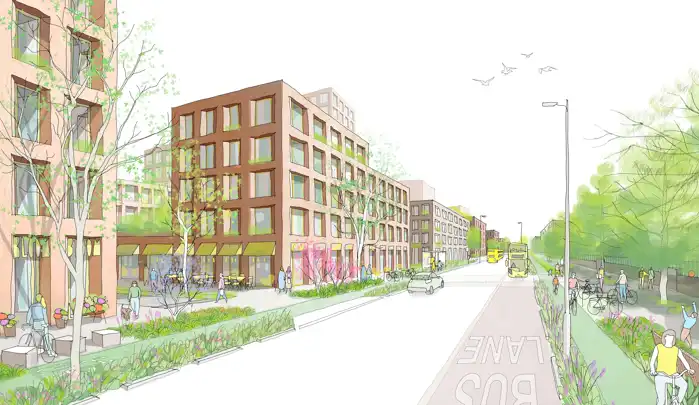
Public squares, green boulevards, and landscaped streets form the backbone of the district, giving it a human-centered character that encourages community interaction and outdoor living.
Reviving Architectural Identity and Industrial Heritage
The Strangeways Manchester Regeneration Plan embraces the industrial heritage of the area as an architectural resource.
Materials such as red brick, metal, and glass reflect the site’s past, while the new façades open toward public spaces to enhance transparency and connectivity.
Architecture here functions as both aesthetic expression and cultural narrative a means to revive collective memory and reinforce Manchester’s urban identity.
Through this approach, Strangeways becomes a living laboratory of architecture, where heritage, design, and sustainability converge into one coherent vision.

Inclusive Communities and Flexible Living Spaces
The project proposes diverse residential neighborhoods that integrate housing, work, and recreation within a single ecosystem.
Thousands of new homes will be distributed across seven walkable districts, each designed to encourage social inclusion and accessibility.
Community centers, shared gardens, and public facilities are strategically placed to foster human interaction and create a sense of belonging.
This approach builds a resilient social fabric, capable of accommodating population growth while maintaining high-quality urban living standards.
Architecture of the Green Future
The plan positions Strangeways as a model for Europe’s future green cities compact, sustainable, and seamlessly connected to nature.
By adopting clean energy solutions, circular design, and renewable materials, the Strangeways Manchester Regeneration Plan exemplifies the next generation of climate-conscious architecture that prioritizes environmental responsibility and urban resilience.

Conclusion
The Strangeways Manchester Regeneration Plan represents a transformative step toward reimagining the city’s northern landscape.
It turns a once industrial area into a blueprint for the future a sustainable, inclusive, and design led urban environment where architecture becomes a catalyst for positive change.
Balancing heritage, ecology, and community, the plan stands as a testament to how cities can evolve while remaining deeply connected to their cultural and environmental roots.
ArchUp continuously documents leading architecture exhibitions and conferences, offering verified coverage of international competitions and official results within an open-access database.
Project Summar
| Element | Details |
|---|---|
| Location | Northern Manchester, United Kingdom |
| Approximate Area | 130 hectares |
| Primary Functions | Residential, commercial, cultural, and public spaces |
| Housing Units | Around 7,000 new homes across seven neighborhoods |
| Green Spaces | Over 60 hectares of parks and ecological corridors |
| Architectural Goal | Balance between urban growth and environmental sustainability |
| Design Identity | Blend of industrial heritage and modern urban design |
| Focus Keyphrase | Strangeways Manchester Regeneration Plan |
✦ ArchUp Editorial Insight
The Strangeways Manchester Regeneration Plan showcases a visual harmony blending historic industrial character with contemporary buildings. Façades open onto interconnected green spaces and wide pedestrian corridors, while residential blocks integrate seamlessly with parks and public areas, creating a sense of openness and continuous movement. From a critical perspective, the design approach achieves a solid balance between urban density and quality of life, although some functional distributions could be adjusted to enhance social diversity and clarify the roles of different spaces. Overall, the project sets a positive benchmark for sustainable urban development, harmonizing heritage, ecology, and community needs.


ArchUp Editorial Management
The article provides a comprehensive overview of the Stringways project’s design vision and community objectives, but its archival value could be enhanced by adding technical data and execution information.
We would like to add that:
· Urban Data: The project targets a residential density of approximately 55 dwelling units per hectare, with 46% of the total area dedicated to green spaces.
· Sustainable Technologies: The project incorporates rainwater harvesting systems with a storage capacity of up to 2 million liters annually, in addition to the application of passive cooling techniques in the buildings.
· Urban Context: The project serves as a vital link between the Cheetham Hill and Stringways neighborhoods through a network of continuous green pathways.
· Timeline: The project is being implemented in phases from 2025 to 2035, in alignment with the Manchester 2040 plan.
Related Link:
Please review for a comparison of urban regeneration projects: [Redevelopment of London’s Industrial Districts]
https://archup.net/beast-land-an-integrated-architectural-model-for-an-innovative-entertainment-city/