Sustainable Olympic Stadium Design for Brisbane 2032

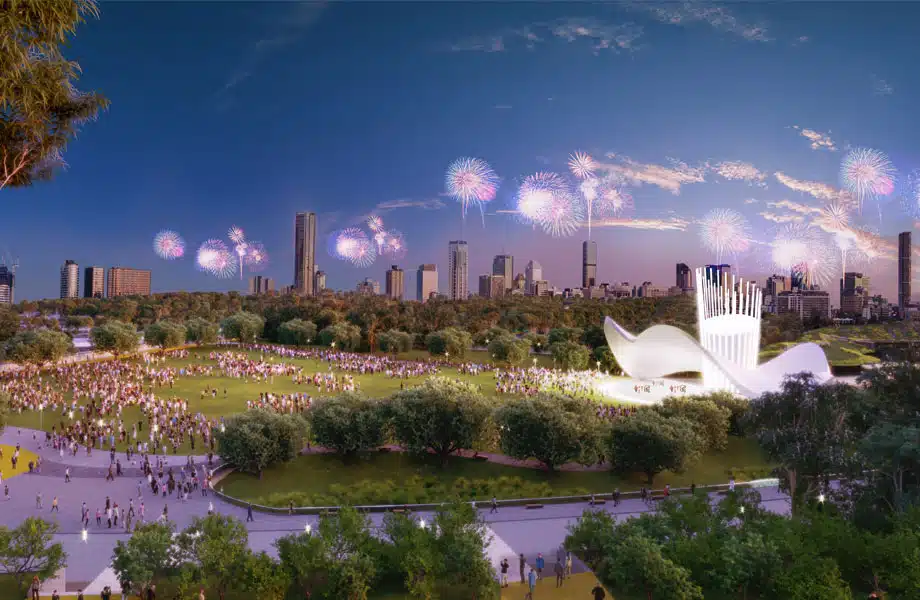
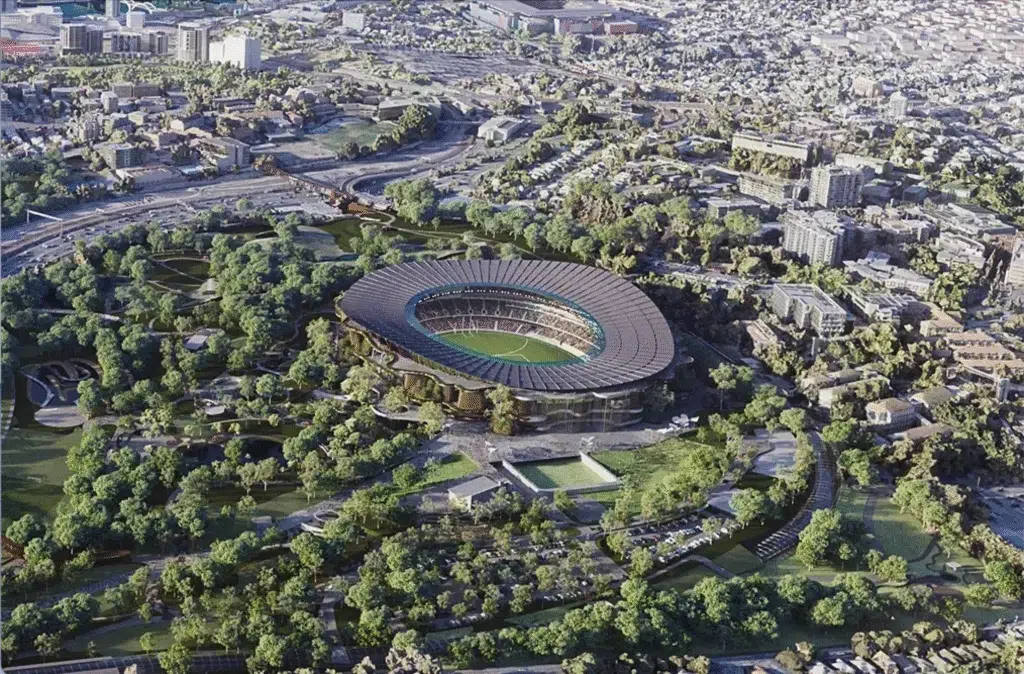
Sustainable architectural design will shape the Brisbane Olympic Stadium, the main venue for the 2032 Olympic and Paralympic Games. An international team will deliver the project at Victoria Park, north of the central business district. The design must serve civic needs long after the Games end, per official news.

Strategic urban project at the city’s core
Victoria Park ranks among Brisbane’s largest redevelopment sites.
The stadium will connect directly to surrounding green space.
This follows current best practices in cities planning that reject single use venues.
The design does not serve a temporary event, but redefines the relationship between sport and public space official project documentation.
Capacity and Olympic role
Base capacity will be 63,000 seats.
It can expand to 70,000 for major events.
The venue will host the Opening and Closing Ceremonies and all athletics competitions.
This flexibility supports long term use a core goal of sustainable architectural design.

Climate responsive strategy
Designers prioritized natural ventilation and deep shading.
The form responds directly to Queensland’s subtropical climate.
Regional references inform the silhouette.
Energy targets meet current sustainability benchmarks.
Every canopy, opening, and slope was calibrated for airflow not aesthetics per the environmental brief.
Timeline and implementation
Preliminary work begins in mid 2026.
Main construction starts in 2027.
The team will finish by late 2031.
Trial operations begin in early 2032.
Project cost
Queensland and federal governments will fund the AUD 3.8 billion project.
It ranks among Australia’s largest urban infrastructure investments, per internal research.
Post-Olympic legacy
After 2032, the stadium will host sports, concerts, and community events.
This reuse model draws from precedents in the global archive.
The facility avoids obsolescence by design.
It reflects a broader shift toward sustainable architectural design in major public buildings.
The team specified low carbon building materials.
Adaptable interior design enables diverse future uses.
The project will appear on the global architecture platform as a civic infrastructure reference.
Organizers also classify it under long-term events planning due to its multi decade lifespan.
Architectural Snapshot: The Brisbane Olympic Stadium merges climate responsiveness, civic access, and post event utility through disciplined sustainable architectural design.
✦ ArchUp Editorial Insight
The article frames Brisbane’s 2032 Olympic Stadium as a model of sustainable architectural design.
It highlights post Games use, climate responsiveness, and factual details like capacity and cost.
No promotional language is used an editorial strength.
Yet it avoids tough questions.
Can a mid sized city justify AUD 3.8 billion for one venue?
Where are the trade offs in housing, transport, or social infrastructure?
It leans on familiar phrases like green legacy and community asset.
These may obscure speculative urban agendas beneath eco friendly packaging.
Still, the shift away from ceremonial spectacle toward passive design is notable.
Adaptability is prioritized over monumentality a rare stance in Olympic projects.
But lasting value depends on governance, not just architecture.
That crucial distinction remains unexamined.