Technology and Architecture

Technology has a major role in shaping our society nowadays. It is affecting our thoughts, surroundings, attitudes, and all other aspects of human life, including architecture and interior design.
In this generation, we can notice the huge change in the industry of architecture after the advanced use of technology. It has significantly changed from what it was in the past. Therefore, in this article, we will explain the impact of advanced technology in architecture.

How is technology changing architecture?
Using advanced technology in architecture can provide countless innovative ideas and open doors to a bright future.
Since the early days, technology is a fundamental human need because of the great environment it provides, the user communication it allows, and the powerful workspace in which creativity is encouraged.
A few years ago, when architects were still using traditional building construction techniques, the overall framework was a simple architectural form that was turned into a large building. As a result, because of the limitations, architects were facing in terms of materials and techniques; architectural designs looked very similar and had the same capabilities.
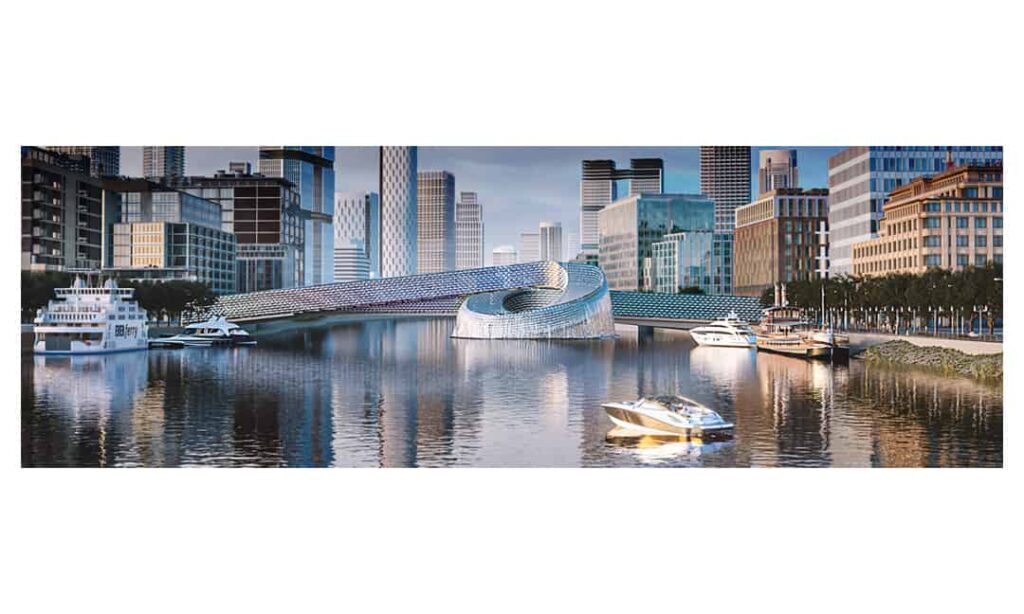
However, using today’s technological developments and building materials, inventing new unique architectural designs and structures is now possible.
It also helped architects explore new possibilities in terms of using new materials and creating unique architectural designs.
In addition to that, these architectural improvements are highly related to the visual appearance of an architectural design.
In other words, the majority of new architectural designs tend to be focused on the use of advanced technology; which helps architects explore new forms, ideas, opportunities, and architectural designs that they have never thought of or never thought is possible.
These explorations help architects reflect on the project idea or concept for which it was designed for.
As a result, technology helps architects deliver their message a lot faster to the audience and be able to interact with them a lot easier.
What are some of the common technological developments in architecture?
The following section of this article will specify some of the common improvements that technology made in architecture and explain each one of them:
Architectural formation in virtual reality
One of the most powerful developments made by advanced technology is the shift away from 2D design graphics and layout on the ground, to virtual 3D environments that closely resemble architectural projects in real life.
This unforgettable transformation has made it easier for designers and clients to communicate.
Therefore, it created a more meaningful and harmonious way for communication, rather than asking them to imagine how sketches will translate into a built space in the future; architects can now place clients in virtual environments years before the actual architectural projects and buildings are completed.
This allows customers and end users to understand spatial qualities better and be able to identify challenges and/or opportunities they may face. It also helps clients feel more confident about their investments.
Touching materials in the virtual reality of modern architecture
Existing virtual reality models allow customers to see their future architectural plans in the future; using touch devices/tools in technology, they will be able to feel them as well. Integrating the sense of touch into VR models will lead to more informed decisions about materials, surfaces, furniture, and more.
Architects who understand how touch technology works, what makes it possible, and how to include it in virtual reality models will be a valuable commodity in the future. With all the developments of both virtual reality technology and touch technology, their mixing has become almost inevitable.
Moreover, once clients realize the great benefits of these advanced technologies, architectural firms will invest heavily in standardizing technologies.
Conclusion
We use technology during every single day of our life in many activities, even in architecture. Advanced technology is used by architects in every stage of the architectural design process, from start to finish. In fact, we can already see the impact of modern technology and development in this wide field.